THE ADVENTURE COLLECTIVE® · Independent discovery and booking for outdoor travel

A fast, steep and technical way to the roof of Africa, the 6-day Umbwe Route pushes experienced trekkers through rainforest, moorland and ice toward Uhuru Peak. This guide covers what to expect on trail, seasonal considerations and essential gear.
A fast, steep and technical way to the roof of Africa, the 6-day Umbwe Route pushes experienced trekkers through rainforest, moorland and ice toward Uhuru Peak. This guide covers what to expect on trail, seasonal considerations and essential gear.
Dawn breaks over a rainforest rim and the Umbwe trail pulls you into the mountain like a hands-on dare: steep, narrow switches cut straight up through dripping moss and towering tree ferns. The Umbwe Route is immediate—no gentle approach—pushing you from 1,800m at the gate through moorland, semi-desert, and finally the scoured stone of the Western Breach and crater rim.
Verified experiences and guided adventures in the surrounding area.
Operated by PINNACLE ADVENTURES & SAFARIS LTD. · Moshi, Kilimanjaro Region
Dawn breaks over a rainforest rim and the Umbwe trail pulls you into the mountain like a hands-on dare: steep, narrow switches cut straight up through dripping moss and towering tree ferns. The Umbwe Route is immediate—no gentle approach—pushing you from 1,800m at the gate through moorland, semi-desert, and finally the scoured stone of the Western Breach and crater rim.
Geology here is visible and blunt: Kilimanjaro is a dormant stratovolcano made of three volcanic cones—Kibo, Mawenzi and Shira—whose glacial shoulders are retreating each decade. Culturally, the trail threads into Chagga country; porters and guides carry local knowledge, songs and an economy that depends on responsible trekking. Historically the mountain drew early European climbers in the late 19th century and remains a place where modern altitude science meets old‑school guiding.
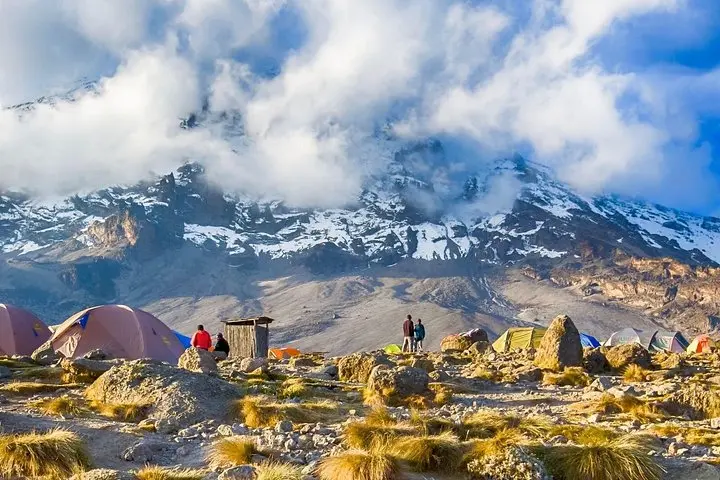
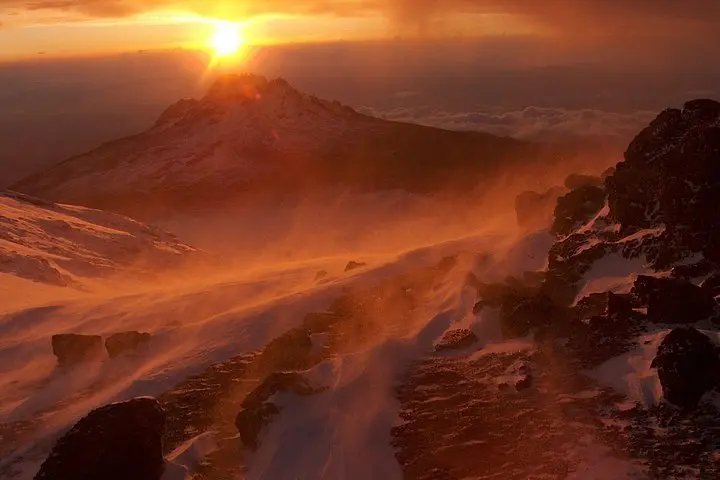
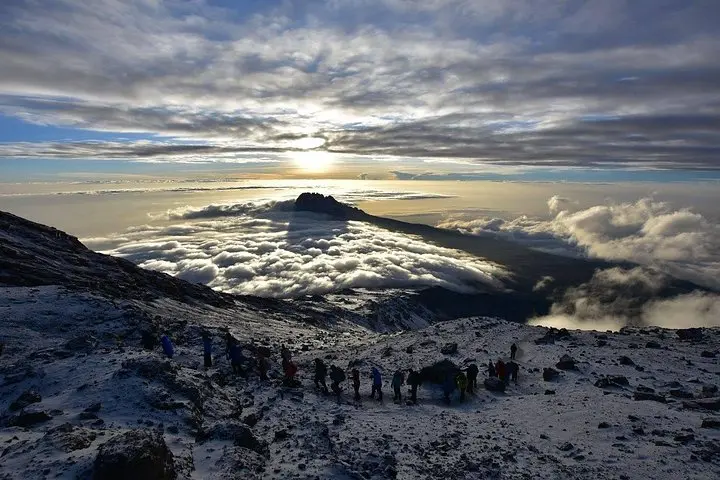
Expect rainforest mud, giant lobelia in the moorland, the scree and ice above Lava Tower, and the raw wind that sculpts the crater. Nights are cold—down to freezing at high camps—and summit night is a long technical push on packed snow and rock.
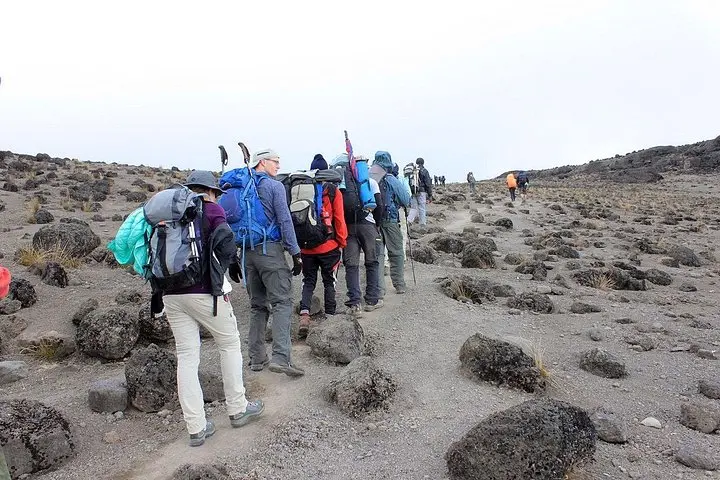
Practical guidance: train for sustained uphill days and 6–8 hour high‑altitude efforts, sleep in layered systems, and use trekking poles and a quality down bag. Hydrate early and often; altitude symptoms are the most common limiter. Respect your guides' pacing, tip porters fairly, and plan for weather‑dependent kit like crampons in the wet season. Finish lines include the thin, wide view from Uhuru Peak and the celebratory descent to Mweka and Moshi.
You need strong cardiovascular fitness and experience with long uphill days; prior multi‑day trekking at elevation is highly recommended.
No technical rock climbing is required, but basic scrambling and use of crampons/ice axe can be needed in icy conditions.
Success varies by group fitness and weather; the rapid ascent of Umbwe has a lower summit rate than longer routes, so pack realistic expectations.
Yes—qualified guides, assistant guides, porters, park fees and camping equipment are included in standard itineraries like this one.
PINNACLE ADVENTURES & SAFARIS LTD. operates guided outdoor trips and adventures with an emphasis on safety, stewardship, and memorable experiences.
Dawn breaks over a rainforest rim and the Umbwe trail pulls you into the mountain like a hands-on dare: steep, narrow switches cut straight up through dripping moss and towering tree ferns. The Umbwe Route is immediate—no gentle approach—pushing you from 1,800m at the gate through moorland, semi-desert, and finally the scoured stone of the Western Breach and crater rim.
Dawn breaks over a rainforest rim and the Umbwe trail pulls you into the mountain like a hands-on dare: steep, narrow switches cut straight up through dripping moss and towering tree ferns. The Umbwe Route is immediate—no gentle approach—pushing you from 1,800m at the gate through moorland, semi-desert, and finally the scoured stone of the Western Breach and crater rim.
Geology here is visible and blunt: Kilimanjaro is a dormant stratovolcano made of three volcanic cones—Kibo, Mawenzi and Shira—whose glacial shoulders are retreating each decade. Culturally, the trail threads into Chagga country; porters and guides carry local knowledge, songs and an economy that depends on responsible trekking. Historically the mountain drew early European climbers in the late 19th century and remains a place where modern altitude science meets old‑school guiding.
Expect rainforest mud, giant lobelia in the moorland, the scree and ice above Lava Tower, and the raw wind that sculpts the crater. Nights are cold—down to freezing at high camps—and summit night is a long technical push on packed snow and rock.
Practical guidance: train for sustained uphill days and 6–8 hour high‑altitude efforts, sleep in layered systems, and use trekking poles and a quality down bag. Hydrate early and often; altitude symptoms are the most common limiter. Respect your guides' pacing, tip porters fairly, and plan for weather‑dependent kit like crampons in the wet season. Finish lines include the thin, wide view from Uhuru Peak and the celebratory descent to Mweka and Moshi.