THE ADVENTURE COLLECTIVE® · Independent discovery and booking for outdoor travel

The Umbwe Route is Kilimanjaro’s steep, direct southern line—shorter, quieter, and demanding. Over six days you move from rainforest to the summit of Africa, where careful acclimatization and strong fitness meet raw alpine terrain.
The Umbwe Route is Kilimanjaro’s steep, direct southern line—shorter, quieter, and demanding. Over six days you move from rainforest to the summit of Africa, where careful acclimatization and strong fitness meet raw alpine terrain.
You step out beneath a cloak of giant heather and moss-draped rainforest, the trail diving immediately into steep switchbacks that tug at legs and lungs. Morning mist clings to trunks while the southern face of Kilimanjaro looms, indifferent and enormous, drawing you upward toward the knife-edge skyline.
Verified experiences and guided adventures in the surrounding area.
Operated by Matta African Luxury Safari · Moshi, Kilimanjaro Region
You step out beneath a cloak of giant heather and moss-draped rainforest, the trail diving immediately into steep switchbacks that tug at legs and lungs. Morning mist clings to trunks while the southern face of Kilimanjaro looms, indifferent and enormous, drawing you upward toward the knife-edge skyline.
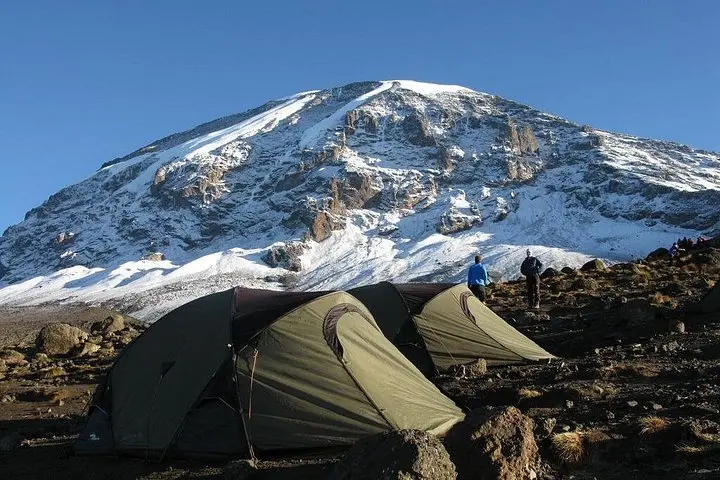
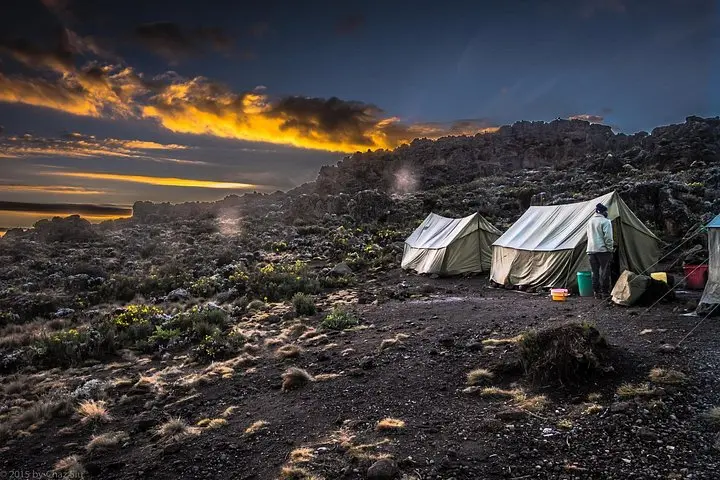
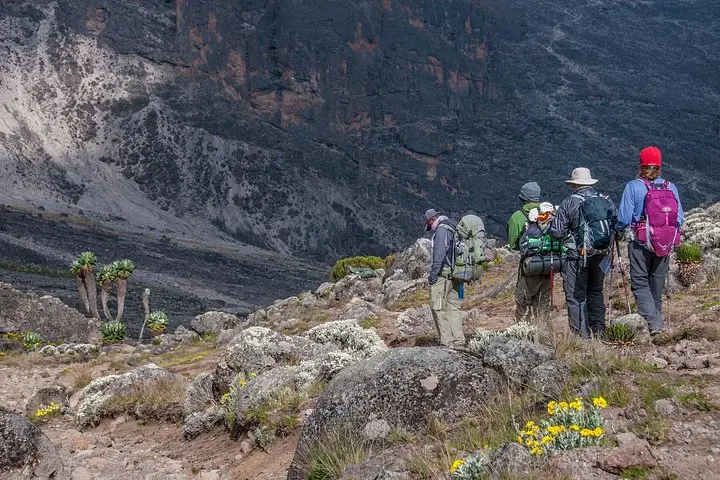
The Umbwe Route is the most direct southern line to Kibo’s rim, historically less traveled because of its steep initial gains and fast vertical approach. Geologically, you cross lush montane forest into heath and moorland, then alpine desert and volcanic scree as old lava flows and loose tephra tell the mountain’s volcanic story. Culturally, porters and guides—many from the Chaga communities around Moshi—manage the logistics and bring local knowledge about weather patterns, camp life, and high-altitude pacing.
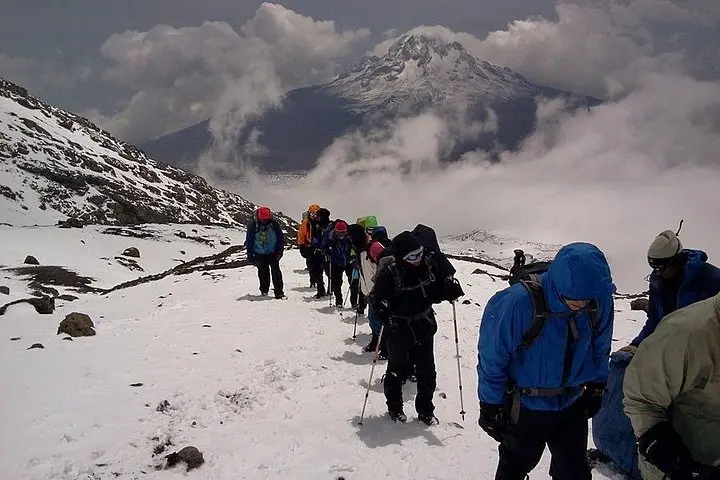
Expect long, steep days with large elevation gain: you start near the forest belt (~1,800–2,000 m) and summit at Uhuru Peak (5,895 m), so plan for roughly 3,800–4,100 m of total ascent. Terrain ranges from muddy forest tracks to rock and scree on the summit night; the final push begins around midnight to reach Stella Point before sunrise. Altitude is the main hazard—each night’s camp and the built-in acclimatization days are there for a reason.
Practical guidance: train with long hikes and uphill repeats, use layered clothing and a good insulated jacket for summit night, bring trekking poles for knee protection on descent, and hydrate steadily to reduce altitude effects. Book with accredited operators who handle park permits and certified guides—this is a mountain where preparation and respect for elevation make the difference between success and retreat.
Prior high-altitude trekking experience is strongly recommended; the Umbwe route gains altitude quickly and demands good pacing and acclimatization awareness.
Most guided packages include park fees and permits—confirm with your operator and carry identification for registration at park gates.
Altitude illness can occur even in fit trekkers; guides monitor symptoms, enforce slower pacing, and may recommend descent or supplemental oxygen if needed.
Tipping is customary; plan a group tip distributed among guides and porters—ask your operator for current recommended amounts.
Matta African Luxury Safari operates guided outdoor trips and adventures with an emphasis on safety, stewardship, and memorable experiences.
You step out beneath a cloak of giant heather and moss-draped rainforest, the trail diving immediately into steep switchbacks that tug at legs and lungs. Morning mist clings to trunks while the southern face of Kilimanjaro looms, indifferent and enormous, drawing you upward toward the knife-edge skyline.
You step out beneath a cloak of giant heather and moss-draped rainforest, the trail diving immediately into steep switchbacks that tug at legs and lungs. Morning mist clings to trunks while the southern face of Kilimanjaro looms, indifferent and enormous, drawing you upward toward the knife-edge skyline.
The Umbwe Route is the most direct southern line to Kibo’s rim, historically less traveled because of its steep initial gains and fast vertical approach. Geologically, you cross lush montane forest into heath and moorland, then alpine desert and volcanic scree as old lava flows and loose tephra tell the mountain’s volcanic story. Culturally, porters and guides—many from the Chaga communities around Moshi—manage the logistics and bring local knowledge about weather patterns, camp life, and high-altitude pacing.
Expect long, steep days with large elevation gain: you start near the forest belt (~1,800–2,000 m) and summit at Uhuru Peak (5,895 m), so plan for roughly 3,800–4,100 m of total ascent. Terrain ranges from muddy forest tracks to rock and scree on the summit night; the final push begins around midnight to reach Stella Point before sunrise. Altitude is the main hazard—each night’s camp and the built-in acclimatization days are there for a reason.
Practical guidance: train with long hikes and uphill repeats, use layered clothing and a good insulated jacket for summit night, bring trekking poles for knee protection on descent, and hydrate steadily to reduce altitude effects. Book with accredited operators who handle park permits and certified guides—this is a mountain where preparation and respect for elevation make the difference between success and retreat.