THE ADVENTURE COLLECTIVE® · Independent discovery and booking for outdoor travel

A six-day trek from Mae Sot into Umphang Wildlife Sanctuary that combines river travel, steep jungle hiking, and a stay with Karen villagers. Expect rafting, rugged trails, basic accommodation and a close-up of Southeast Asia’s largest waterfall.
A six-day trek from Mae Sot into Umphang Wildlife Sanctuary that combines river travel, steep jungle hiking, and a stay with Karen villagers. Expect rafting, rugged trails, basic accommodation and a close-up of Southeast Asia’s largest waterfall.
The bus eases into darkness and the road begins to wind—over 1,000 bends between Mae Sot and the highlands—while air-conditioning and a traveler's patience trade places.
Verified experiences and guided adventures in the surrounding area.
Operated by Huahin Travel · Umphang, Tak
The bus eases into darkness and the road begins to wind—over 1,000 bends between Mae Sot and the highlands—while air-conditioning and a traveler's patience trade places.
By dawn you step out into mountain morning; the Mae Klong River below threads its way through rocky crevices as tall as 400 meters, daring you to follow. Over six days you move between river and jungle: rubber and bamboo rafts push you downstream, river spray on your face; days of uphill trekking bring lazier breaths and wide, exposed ridgelines.
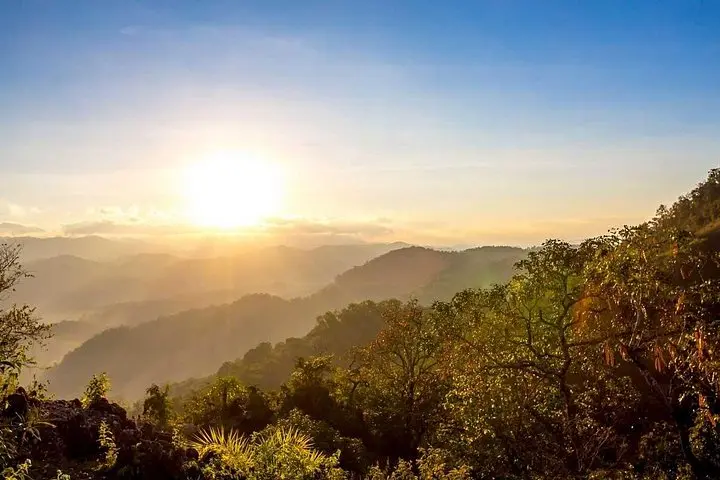
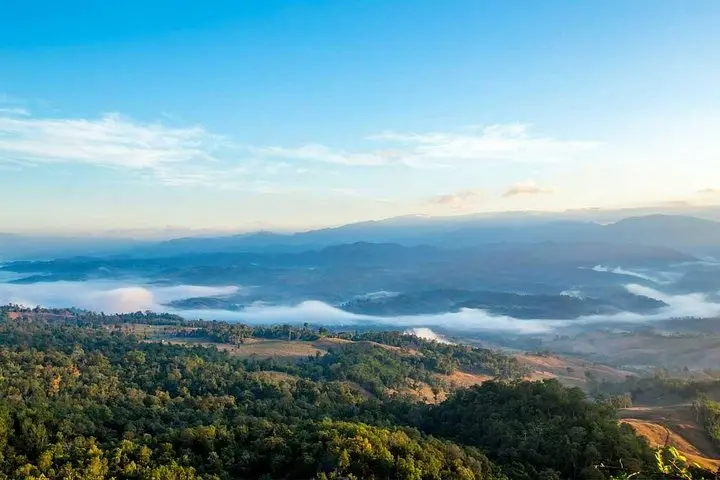
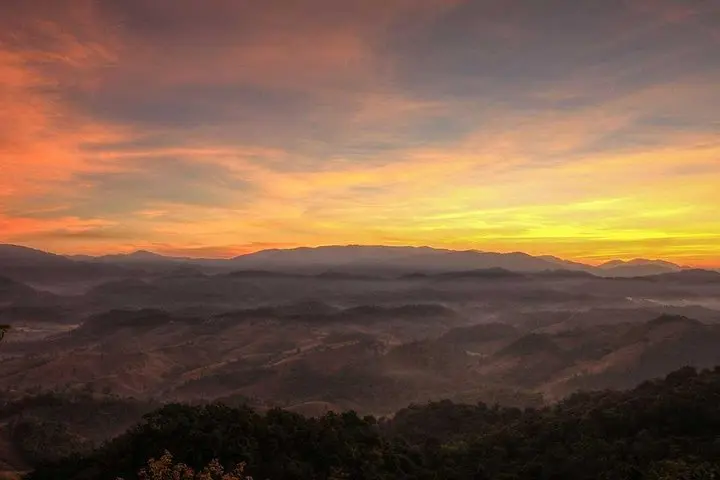
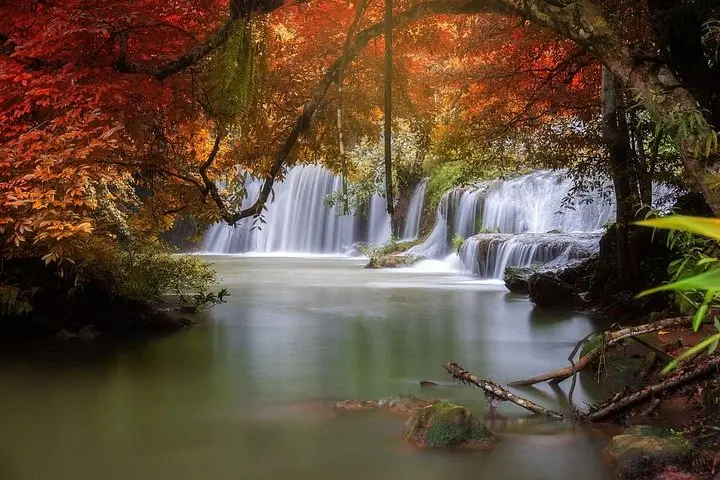
This landscape sits inside the greater Umphang Wildlife Sanctuary, an area recognized for its biodiversity and listed as a UNESCO site in 1999. Geology here frames movement—deep river-carved gorges, jungle-clad slopes and bamboo groves that shelter life and local Karen communities.
Cultural contact is direct and intentional: nights in simple guesthouses, a shared veranda meal, and an overnight in a Karen stilt house provide a window into daily village routines rather than staged tourism.
Practical guidance: expect one of the tour days to require sustained uphill trekking (about four hours) and river travel that changes with season—bamboo rafts are used when conditions permit (Feb–May). Highest road point reaches roughly 1,400 m; temperatures drop after sunset. Pack a waterproofs-first kit, sturdy boots for uneven trails and a dry pouch for cameras on the raft. Bring small bills for village markets, and be ready for basic camping and communal meals. The pace favors travelers with steady fitness who want an immersive, low-frills backcountry experience.
Expect mixed terrain: up to four hours of uphill hiking on the toughest day and shorter jungle hikes on other days; a moderate-to-high fitness level is recommended.
Yes—rafting downstream on the Mae Klong is part of the itinerary; bamboo rafts may be used from February to May when water and conditions permit, otherwise rubber boats are standard.
A mix of overnight bus travel, simple guesthouses in Umphang, a campsite with tents inside the sanctuary, and a traditional Karen stilt house—facilities are basic.
This tour is not recommended for travelers with serious back or heart problems due to long bus transfers, steep trekking, and river activity.
Huahin Travel operates guided outdoor trips and adventures with an emphasis on safety, stewardship, and memorable experiences.
The bus eases into darkness and the road begins to wind—over 1,000 bends between Mae Sot and the highlands—while air-conditioning and a traveler's patience trade places.
The bus eases into darkness and the road begins to wind—over 1,000 bends between Mae Sot and the highlands—while air-conditioning and a traveler's patience trade places.
By dawn you step out into mountain morning; the Mae Klong River below threads its way through rocky crevices as tall as 400 meters, daring you to follow. Over six days you move between river and jungle: rubber and bamboo rafts push you downstream, river spray on your face; days of uphill trekking bring lazier breaths and wide, exposed ridgelines.
This landscape sits inside the greater Umphang Wildlife Sanctuary, an area recognized for its biodiversity and listed as a UNESCO site in 1999. Geology here frames movement—deep river-carved gorges, jungle-clad slopes and bamboo groves that shelter life and local Karen communities.
Cultural contact is direct and intentional: nights in simple guesthouses, a shared veranda meal, and an overnight in a Karen stilt house provide a window into daily village routines rather than staged tourism.
Practical guidance: expect one of the tour days to require sustained uphill trekking (about four hours) and river travel that changes with season—bamboo rafts are used when conditions permit (Feb–May). Highest road point reaches roughly 1,400 m; temperatures drop after sunset. Pack a waterproofs-first kit, sturdy boots for uneven trails and a dry pouch for cameras on the raft. Bring small bills for village markets, and be ready for basic camping and communal meals. The pace favors travelers with steady fitness who want an immersive, low-frills backcountry experience.