THE ADVENTURE COLLECTIVE® · Independent discovery and booking for outdoor travel

Six days of off-the-beaten-path hiking through the Usambara Mountains combine lush forest trails, village homestays, and panoramic ridgelines. This guided trek blends scenery with cultural exchange and accessible daily distances.
Six days of off-the-beaten-path hiking through the Usambara Mountains combine lush forest trails, village homestays, and panoramic ridgelines. This guided trek blends scenery with cultural exchange and accessible daily distances.
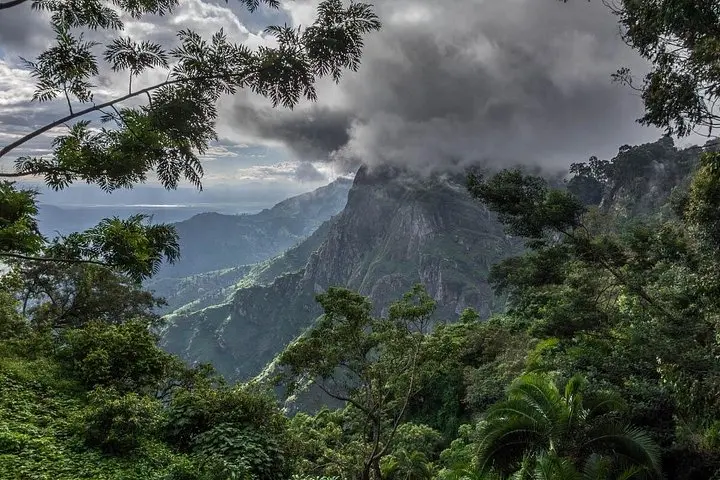
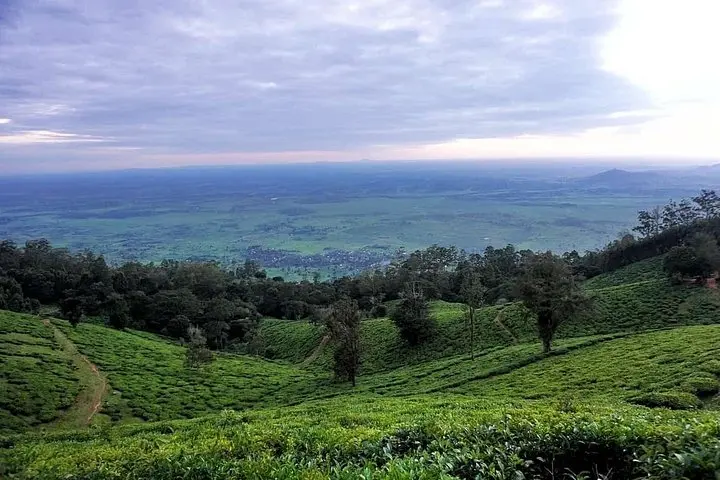
The trail opens under a cool mist, forest canopy dripping onto narrow steps as a local guide sets the pace. Each morning the ridge line unfolds into green terraces and distant plains; the air smells of damp earth and freshly roasted coffee from nearby farms.
Verified experiences and guided adventures in the surrounding area.
Operated by Tupae Adventures · Lushoto, Tanga Region
The trail opens under a cool mist, forest canopy dripping onto narrow steps as a local guide sets the pace. Each morning the ridge line unfolds into green terraces and distant plains; the air smells of damp earth and freshly roasted coffee from nearby farms.
The Usambara Mountains belong to the ancient Eastern Arc, a chain of crystalline ranges older than many modern landscapes. Centuries of human stewardship—Swahili traders, German colonial planters, and generational smallholders—have shaped the slopes into coffee plots, banana gardens, and scattered villages where local culture is lived openly at homestays.
Geology here creates steep escarpments and sheltered valleys; volcanic and metamorphic bedrock gives rise to narrow rivers that push you along lowland corridors. The forest claims steep gullies, while open moorland and cultivated terraces offer sweeping viewpoint panoramas, including clear-day glimpses toward Kilimanjaro from Mambo ViewPoint.
On this six-day trek expect 4–6 hours of walking per day, with one long 18 km day over varied terrain—rocky tracks, forest paths, and farm lanes. Guides handle logistics and evening meals at lodges and homestays; bring sturdy boots with good grip, a waterproof layer, and a daylight headlamp. Hydrate often—water sources exist but plan to treat or carry a filter—and be ready for rapid weather changes; mornings can be crisp and afternoons humid.
Culturally, the itinerary emphasizes local exchange: shared meals, visits to convents and village markets, and insights into traditional farming. Respect guesthouse customs, carry cash for small purchases, and leave no trace: these slopes are both home and habitat, fragile and remarkably alive.
Most days are moderate—4–6 hours on varied terrain—with one longer 18 km day that requires steady pacing and good stamina.
No formal permits are typically required for these routes, but local park fees or lodge contributions may apply and are handled by guides.
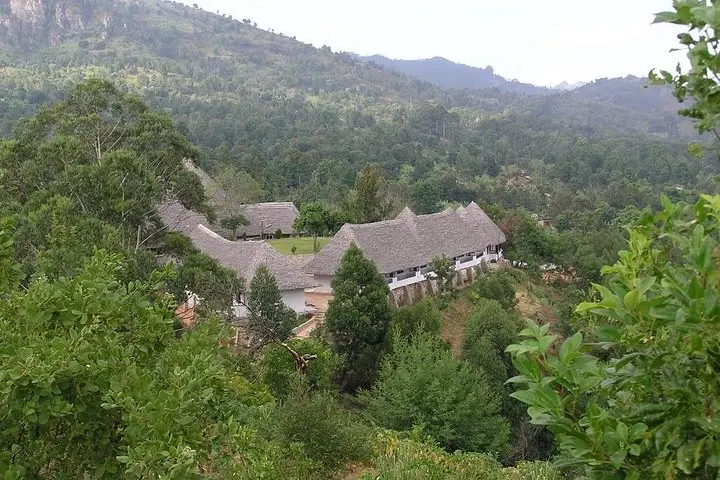
Accommodations alternate between comfortable lodges and simple homestays, with shared facilities and home-cooked meals.
June to October are drier and cooler, offering clearer views; short rains in November and March–May can make trails slippery.
Tupae Adventures operates guided outdoor trips and adventures with an emphasis on safety, stewardship, and memorable experiences.

The trail opens under a cool mist, forest canopy dripping onto narrow steps as a local guide sets the pace. Each morning the ridge line unfolds into green terraces and distant plains; the air smells of damp earth and freshly roasted coffee from nearby farms.
The trail opens under a cool mist, forest canopy dripping onto narrow steps as a local guide sets the pace. Each morning the ridge line unfolds into green terraces and distant plains; the air smells of damp earth and freshly roasted coffee from nearby farms.
The Usambara Mountains belong to the ancient Eastern Arc, a chain of crystalline ranges older than many modern landscapes. Centuries of human stewardship—Swahili traders, German colonial planters, and generational smallholders—have shaped the slopes into coffee plots, banana gardens, and scattered villages where local culture is lived openly at homestays.
Geology here creates steep escarpments and sheltered valleys; volcanic and metamorphic bedrock gives rise to narrow rivers that push you along lowland corridors. The forest claims steep gullies, while open moorland and cultivated terraces offer sweeping viewpoint panoramas, including clear-day glimpses toward Kilimanjaro from Mambo ViewPoint.
On this six-day trek expect 4–6 hours of walking per day, with one long 18 km day over varied terrain—rocky tracks, forest paths, and farm lanes. Guides handle logistics and evening meals at lodges and homestays; bring sturdy boots with good grip, a waterproof layer, and a daylight headlamp. Hydrate often—water sources exist but plan to treat or carry a filter—and be ready for rapid weather changes; mornings can be crisp and afternoons humid.
Culturally, the itinerary emphasizes local exchange: shared meals, visits to convents and village markets, and insights into traditional farming. Respect guesthouse customs, carry cash for small purchases, and leave no trace: these slopes are both home and habitat, fragile and remarkably alive.