THE ADVENTURE COLLECTIVE® · Independent discovery and booking for outdoor travel

In six days you can pace through volcano rims, steam with coffee farmers, and walk through Maya sites preserved in ash. This West El Salvador loop pairs geology and culture with short hikes and local flavors.
In six days you can pace through volcano rims, steam with coffee farmers, and walk through Maya sites preserved in ash. This West El Salvador loop pairs geology and culture with short hikes and local flavors.
You step off the van in a highland mist that seems to be deciding whether to reveal the valley below. The air feels sharpened—cooler and thinner than San Salvador’s city heat—and the ridgeline of Cerro Verde looms like a green shoulder above a corridor of volcanoes. For six days, this is the rhythm: volcano rims that demand your attention, colonial towns that hand you coffee and conversation, and archaeological sites that fold time into stone.
Verified experiences and guided adventures in the surrounding area.
Operated by Inter Tours · San Salvador, San Salvador Department
You step off the van in a highland mist that seems to be deciding whether to reveal the valley below. The air feels sharpened—cooler and thinner than San Salvador’s city heat—and the ridgeline of Cerro Verde looms like a green shoulder above a corridor of volcanoes. For six days, this is the rhythm: volcano rims that demand your attention, colonial towns that hand you coffee and conversation, and archaeological sites that fold time into stone.
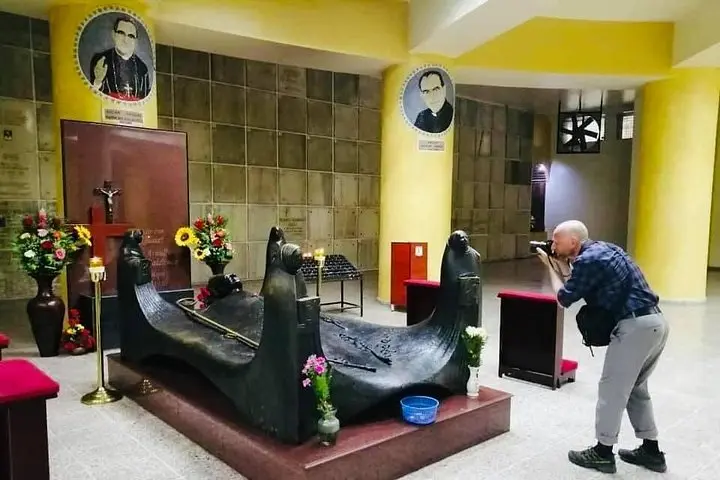
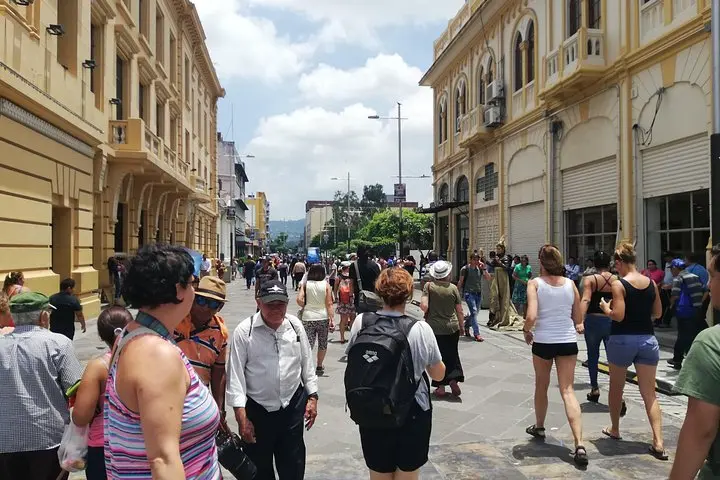
Begin in the capital where the historic center names its heroes and the Mausoleum of Monsignor Romero reminds you how recent history shapes present life. Heading west, the land changes fast: coffee plantations climb slopes that were once lava flows, and Cerro Verde National Park offers a compact, high-elevation intro to the country’s geology. The park’s rim walk—about 1.5–2 km with roughly 100–200 m of gentle elevation change—circles an extinct cone and gives sweeping views of the caldera-lined valley and Lake Coatepeque, whose crater surface shimmers like a mirror daring you to look closer.
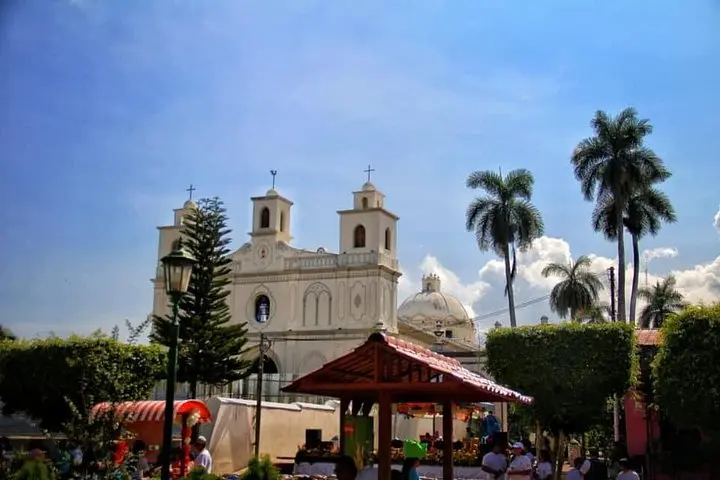
Archaeology threads through the itinerary. Joya de Cerén, the “Pompeii of the Americas,” preserves daily Maya life under volcanic ash; Tazumal’s stepped platforms display a drainage engineering that still channels water today. Between ruins, the Coffee Route offers a different kind of culture: Ataco’s century-old farms roast, sort, and explain the bean’s story from flower to cup, while local cooks teach you to press and flip pupusas—the country’s staple—over wood-fired griddles.
Geology is omnipresent. The Apaneca-Ilamatepec range, Izalco’s black cone, and Lake Coatepeque’s caldera are reminders that the landscape is restless; it sculpts towns, soils, and livelihoods. Hot springs nearby feel like the earth offering a break—thermal pools that warm tired legs and invite slow talk with guides.
Practical guidance: the tour is paced for general fitness, with several short walks (45–75 minutes) and easy site visits. Expect mixed terrain—paved town streets, packed dirt paths, and rocky rim trails—so bring sturdy hiking shoes, layers for 1,500–2,000 m elevations, and a light rain shell. Hydrate before hikes and carry cash for markets and small restaurants; many rural vendors don’t take cards. Proof of full vaccination is required at some venues, and the operator provides hotel transfers from central San Salvador.
If you want concentrated exposure to El Salvador’s west—its volcanic backbone, coffee culture, and living ruins—this six-day loop is efficient and sensory. It moves at a steady clip: history, geology, and flavor, stitched together by roads that climb and then open, inviting you to keep walking.
Some visited venues require proof of full vaccination; bring your documentation to avoid denied entry.
The rim walk is short—about 1.5–2 km with modest elevation change—suitable for most travelers with basic mobility.
Yes, the tour includes transfers and picks up from central San Salvador hotels and the bus station.
Bring US dollars in small denominations; some rural vendors accept only cash.
Breakfasts for five mornings are included; plan on paying for most lunches and dinners, which are available throughout the route.
You can request special meals when booking—notify the operator ahead of time so local providers can prepare alternatives.
Inter Tours operates guided outdoor trips and adventures with an emphasis on safety, stewardship, and memorable experiences.
You step off the van in a highland mist that seems to be deciding whether to reveal the valley below. The air feels sharpened—cooler and thinner than San Salvador’s city heat—and the ridgeline of Cerro Verde looms like a green shoulder above a corridor of volcanoes. For six days, this is the rhythm: volcano rims that demand your attention, colonial towns that hand you coffee and conversation, and archaeological sites that fold time into stone.
You step off the van in a highland mist that seems to be deciding whether to reveal the valley below. The air feels sharpened—cooler and thinner than San Salvador’s city heat—and the ridgeline of Cerro Verde looms like a green shoulder above a corridor of volcanoes. For six days, this is the rhythm: volcano rims that demand your attention, colonial towns that hand you coffee and conversation, and archaeological sites that fold time into stone.
Begin in the capital where the historic center names its heroes and the Mausoleum of Monsignor Romero reminds you how recent history shapes present life. Heading west, the land changes fast: coffee plantations climb slopes that were once lava flows, and Cerro Verde National Park offers a compact, high-elevation intro to the country’s geology. The park’s rim walk—about 1.5–2 km with roughly 100–200 m of gentle elevation change—circles an extinct cone and gives sweeping views of the caldera-lined valley and Lake Coatepeque, whose crater surface shimmers like a mirror daring you to look closer.
Archaeology threads through the itinerary. Joya de Cerén, the “Pompeii of the Americas,” preserves daily Maya life under volcanic ash; Tazumal’s stepped platforms display a drainage engineering that still channels water today. Between ruins, the Coffee Route offers a different kind of culture: Ataco’s century-old farms roast, sort, and explain the bean’s story from flower to cup, while local cooks teach you to press and flip pupusas—the country’s staple—over wood-fired griddles.
Geology is omnipresent. The Apaneca-Ilamatepec range, Izalco’s black cone, and Lake Coatepeque’s caldera are reminders that the landscape is restless; it sculpts towns, soils, and livelihoods. Hot springs nearby feel like the earth offering a break—thermal pools that warm tired legs and invite slow talk with guides.
Practical guidance: the tour is paced for general fitness, with several short walks (45–75 minutes) and easy site visits. Expect mixed terrain—paved town streets, packed dirt paths, and rocky rim trails—so bring sturdy hiking shoes, layers for 1,500–2,000 m elevations, and a light rain shell. Hydrate before hikes and carry cash for markets and small restaurants; many rural vendors don’t take cards. Proof of full vaccination is required at some venues, and the operator provides hotel transfers from central San Salvador.
If you want concentrated exposure to El Salvador’s west—its volcanic backbone, coffee culture, and living ruins—this six-day loop is efficient and sensory. It moves at a steady clip: history, geology, and flavor, stitched together by roads that climb and then open, inviting you to keep walking.