THE ADVENTURE COLLECTIVE® · Independent discovery and booking for outdoor travel

Head 10–20 miles off Marathon for a six-hour day of trolling in depths over 1,500 feet. Expect fast-action pelagics — mahi, tuna, wahoo, and the occasional sailfish — and practical tips for preparing for an offshore morning.
Head 10–20 miles off Marathon for a six-hour day of trolling in depths over 1,500 feet. Expect fast-action pelagics — mahi, tuna, wahoo, and the occasional sailfish — and practical tips for preparing for an offshore morning.
The deck rocks into a rhythm as the marina recedes and the Atlantic opens up — blue beyond the horizon, wind carving white lines across the water. By midmorning the boat is trolling 10–20 miles offshore, where the continental shelf drops and the water reaches depths over 1,500 feet. Lines click, rods bend, and the ocean dares you to pick a fight with Mahi Mahi, tuna, wahoo, or an occasional sailfish.
Verified experiences and guided adventures in the surrounding area.
Operated by Wet Tails Charters llc · Marathon, Florida
The deck rocks into a rhythm as the marina recedes and the Atlantic opens up — blue beyond the horizon, wind carving white lines across the water. By midmorning the boat is trolling 10–20 miles offshore, where the continental shelf drops and the water reaches depths over 1,500 feet. Lines click, rods bend, and the ocean dares you to pick a fight with Mahi Mahi, tuna, wahoo, or an occasional sailfish.
The Florida Keys sit on an ancient limestone ridge formed from old coral reefs and uplifted bedrock; those geologic shelves concentrate bait and gamefish. Marathon's maritime culture grew from commercial sponging and wreck salvaging to sportfishing, and local captains sketch routes from decades of seasonal runs. You’ll pass offshore marks favored by locals — channel edges, floating weedlines, and the shadowed swells where pelagic fish gather.
Practical guidance is straightforward: the trip departs at 8:00 AM from Capt Hooks Marina in Marathon and runs about six hours. Expect a rolling deck and intermittent heavy pulls; bring non-slip shoes and secure pockets. Operator inclusions are minimal — bottled water is provided — so pack layered sun protection, snacks, and motion-sickness meds if you’re prone to seasickness. Check with the operator about tackle, licenses, and whether they fillet or arrange mounts for trophy catches.
Timing matters: early-season mahi and tuna runs favor spring and summer; fall can bring fast wahoo action; winter brings clearer water and occasional billfish. Keep an eye on weather and fuel a full phone battery for photos — the stretch of open sea can produce the kind of strike that becomes a story for years.
Check with the operator — many private charters include permits and tackle, but state regulations vary; the captain will confirm license requirements prior to departure.
The listing notes bottled water and the boat/tackle; extra items such as snacks, gratuities, fish cleaning, or mounting are typically extra — confirm with the operator before booking.
Yes, but children should be comfortable on water and supervised; inexperienced anglers will receive basic instruction, though physical demands increase with larger fish.
Most operators will fillet fish for you, and can arrange freezing, cleaning, or sending a catch to a mounted trophy service; discuss handling and limits with the captain before fishing.
Wet Tails Charters llc operates guided outdoor trips and adventures with an emphasis on safety, stewardship, and memorable experiences.
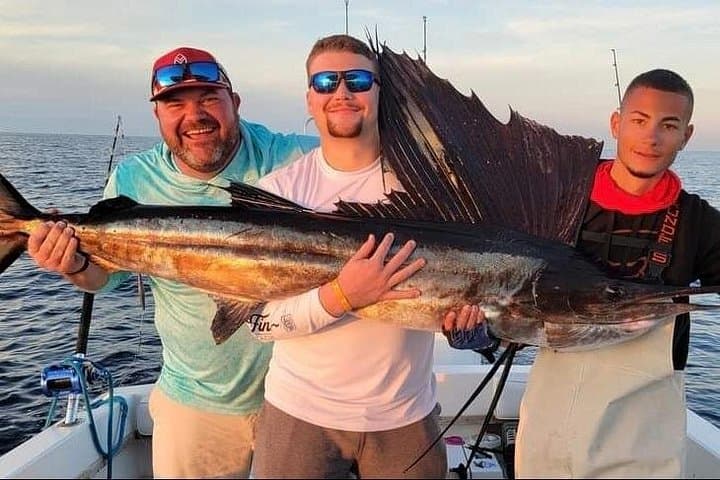
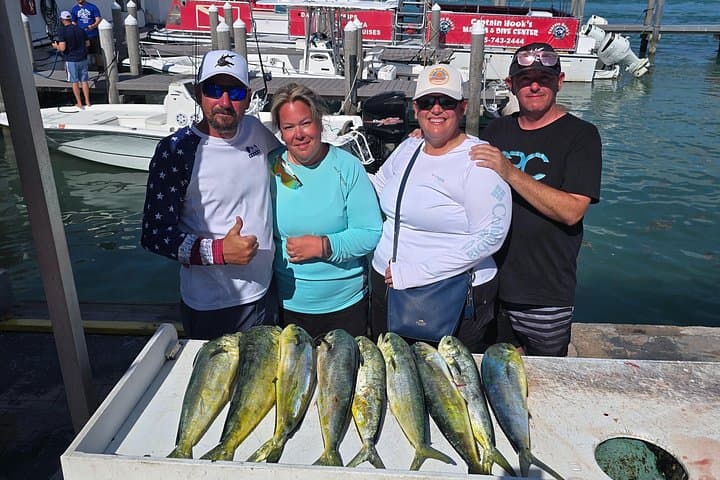
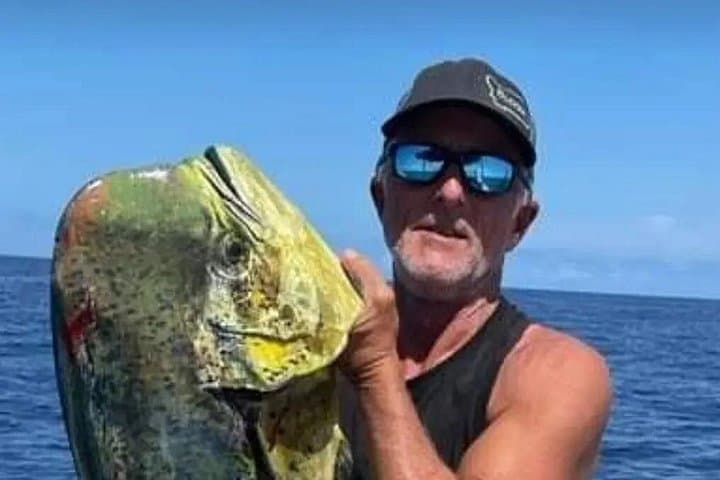
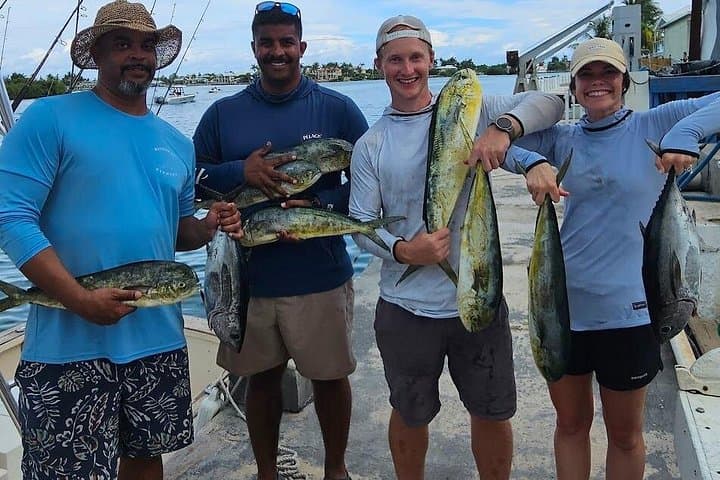
The deck rocks into a rhythm as the marina recedes and the Atlantic opens up — blue beyond the horizon, wind carving white lines across the water. By midmorning the boat is trolling 10–20 miles offshore, where the continental shelf drops and the water reaches depths over 1,500 feet. Lines click, rods bend, and the ocean dares you to pick a fight with Mahi Mahi, tuna, wahoo, or an occasional sailfish.
The deck rocks into a rhythm as the marina recedes and the Atlantic opens up — blue beyond the horizon, wind carving white lines across the water. By midmorning the boat is trolling 10–20 miles offshore, where the continental shelf drops and the water reaches depths over 1,500 feet. Lines click, rods bend, and the ocean dares you to pick a fight with Mahi Mahi, tuna, wahoo, or an occasional sailfish.
The Florida Keys sit on an ancient limestone ridge formed from old coral reefs and uplifted bedrock; those geologic shelves concentrate bait and gamefish. Marathon's maritime culture grew from commercial sponging and wreck salvaging to sportfishing, and local captains sketch routes from decades of seasonal runs. You’ll pass offshore marks favored by locals — channel edges, floating weedlines, and the shadowed swells where pelagic fish gather.
Practical guidance is straightforward: the trip departs at 8:00 AM from Capt Hooks Marina in Marathon and runs about six hours. Expect a rolling deck and intermittent heavy pulls; bring non-slip shoes and secure pockets. Operator inclusions are minimal — bottled water is provided — so pack layered sun protection, snacks, and motion-sickness meds if you’re prone to seasickness. Check with the operator about tackle, licenses, and whether they fillet or arrange mounts for trophy catches.
Timing matters: early-season mahi and tuna runs favor spring and summer; fall can bring fast wahoo action; winter brings clearer water and occasional billfish. Keep an eye on weather and fuel a full phone battery for photos — the stretch of open sea can produce the kind of strike that becomes a story for years.