THE ADVENTURE COLLECTIVE® · Independent discovery and booking for outdoor travel
A six‑night circuit from Cairo to Luxor that mixes iconic antiquities with two nights aboard a traditional felucca on the Nile. Expect early starts, uneven temple surfaces, and vivid local markets along the river.
A six‑night circuit from Cairo to Luxor that mixes iconic antiquities with two nights aboard a traditional felucca on the Nile. Expect early starts, uneven temple surfaces, and vivid local markets along the river.
You step off the plane into Cairo’s heat and the city immediately shifts into motion: taxis honking, merchants calling, and the Nile hissing past its banks like a long-lived storyteller daring you to follow.
Verified experiences and guided adventures in the surrounding area.
Operated by JJ Jamaica Felucca · Cairo, Cairo Governorate
You step off the plane into Cairo’s heat and the city immediately shifts into motion: taxis honking, merchants calling, and the Nile hissing past its banks like a long-lived storyteller daring you to follow.
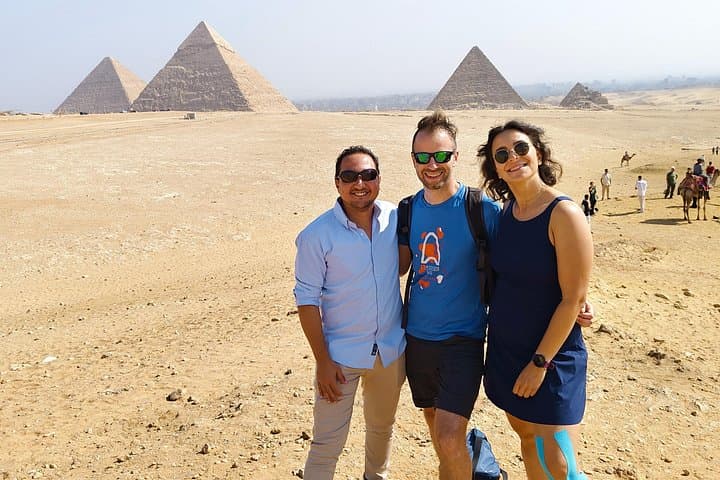
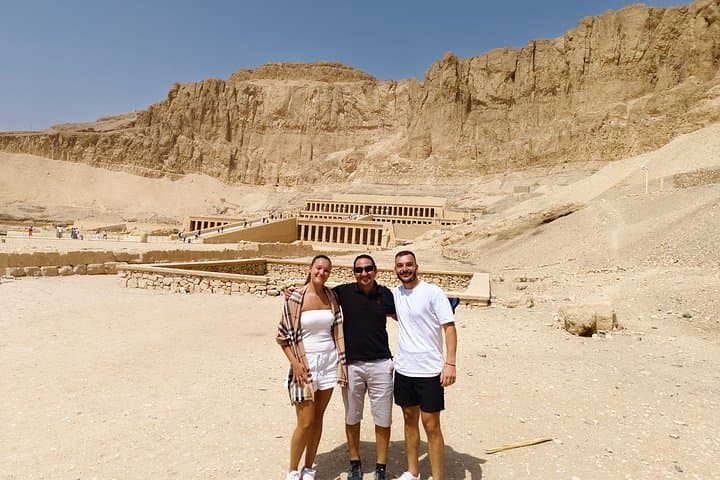
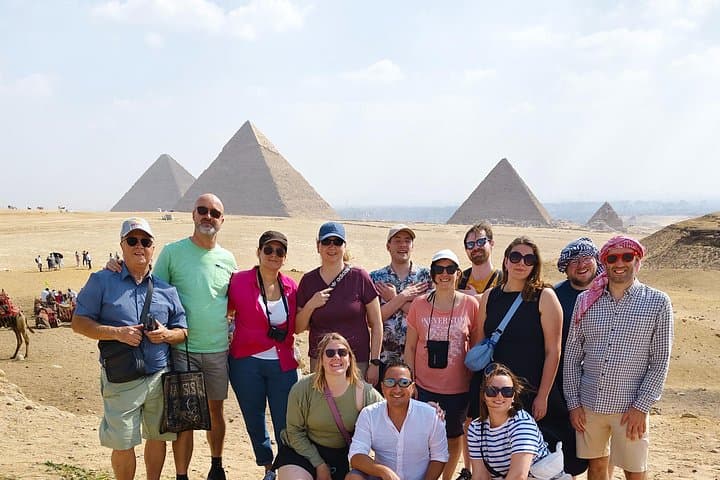
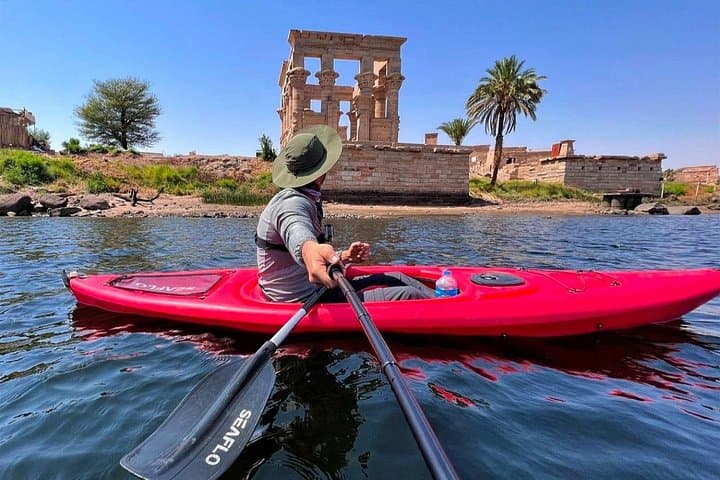
This six‑night route threads Egypt’s most iconic chapters — Giza’s pyramids and Sphinx, the Egyptian Museum's trove of Tutankhamen, the island temples of Philae and Kom Ombo, and Luxor’s Valley of the Kings and Karnak. Geologically the Nile corridor is a ribbon of fertile alluvium cut through desert limestone, which ancient builders exploited to anchor colossal stone temples that still hold clear lines and hieroglyphs.
Culturally the trip moves between urban bustle, quiet Nubian riverfront villages and the slow, wind-driven rhythm aboard a traditional felucca. Expect early mornings for temple visits (to beat heat and crowds), soothed evenings on the Nile’s sundeck, and brief, lively market stops where vegetables, spices and camel trade animate local life.
Practical guidance: bring sturdy walking shoes with good grip for uneven temple stones, a wide‑brim hat and high SPF, and a compact daypack for water and camera. Mornings are cooler — layer for early starts — and carry small bills for local vendors and tipping. Transportation is by air‑conditioned vehicle and sleeper train segments; the felucca includes basic facilities but is not luxury cruising. Plan for early transfers (some departures near 4 a.m.), purchase tickets for must‑see sites in advance when possible, and allow downtime after long drives. With basic preparation, this itinerary is an immersive way to read Egypt’s history in stone and water.
Most nationalities require a tourist visa; many can obtain an e‑visa before travel or a visa on arrival—check current Egyptian government requirements prior to booking.
Feluccas are basic traditional sailboats with a sundeck and simple bathroom facilities; they offer a rustic, scenic experience rather than hotel comforts.
Many sites have uneven steps and narrow passageways; accessibility is limited and assistance may be required for those with mobility challenges.
Standard travel vaccines are advised and carry insect repellent; drink bottled water and avoid raw street food if you have a sensitive stomach.
JJ Jamaica Felucca operates guided outdoor trips and adventures with an emphasis on safety, stewardship, and memorable experiences.
You step off the plane into Cairo’s heat and the city immediately shifts into motion: taxis honking, merchants calling, and the Nile hissing past its banks like a long-lived storyteller daring you to follow.
You step off the plane into Cairo’s heat and the city immediately shifts into motion: taxis honking, merchants calling, and the Nile hissing past its banks like a long-lived storyteller daring you to follow.
This six‑night route threads Egypt’s most iconic chapters — Giza’s pyramids and Sphinx, the Egyptian Museum's trove of Tutankhamen, the island temples of Philae and Kom Ombo, and Luxor’s Valley of the Kings and Karnak. Geologically the Nile corridor is a ribbon of fertile alluvium cut through desert limestone, which ancient builders exploited to anchor colossal stone temples that still hold clear lines and hieroglyphs.
Culturally the trip moves between urban bustle, quiet Nubian riverfront villages and the slow, wind-driven rhythm aboard a traditional felucca. Expect early mornings for temple visits (to beat heat and crowds), soothed evenings on the Nile’s sundeck, and brief, lively market stops where vegetables, spices and camel trade animate local life.
Practical guidance: bring sturdy walking shoes with good grip for uneven temple stones, a wide‑brim hat and high SPF, and a compact daypack for water and camera. Mornings are cooler — layer for early starts — and carry small bills for local vendors and tipping. Transportation is by air‑conditioned vehicle and sleeper train segments; the felucca includes basic facilities but is not luxury cruising. Plan for early transfers (some departures near 4 a.m.), purchase tickets for must‑see sites in advance when possible, and allow downtime after long drives. With basic preparation, this itinerary is an immersive way to read Egypt’s history in stone and water.
