THE ADVENTURE COLLECTIVE® · Independent discovery and booking for outdoor travel

A full-day high-altitude hike from Cusco to the 7 Ausangate Lagoons offers glacial lakes, Andean culture, and optional thermal pools. Expect a long, remote day at 4,200–4,600 m with dramatic weather swings and rewarding views.
A full-day high-altitude hike from Cusco to the 7 Ausangate Lagoons offers glacial lakes, Andean culture, and optional thermal pools. Expect a long, remote day at 4,200–4,600 m with dramatic weather swings and rewarding views.
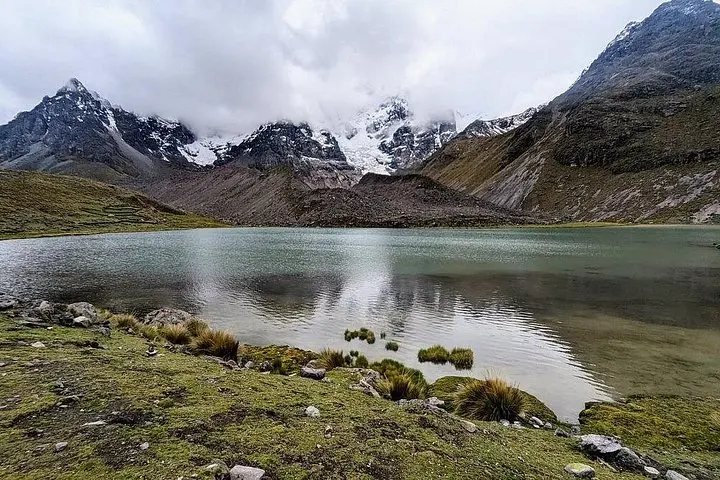
Before dawn a shuttle pulls out of Cusco and the road narrows into puna: wind-sculpted grasses and the first hard light on Ausangate's ridgeline. By breakfast in Pacchanta the air is thin and sharp; hikers tighten layers, breathe deep, and set off toward a string of turquoise basins carved beneath glaciers.
Verified experiences and guided adventures in the surrounding area.
Operated by Machupicchu Adventure · Cusco, Cusco
Before dawn a shuttle pulls out of Cusco and the road narrows into puna: wind-sculpted grasses and the first hard light on Ausangate's ridgeline. By breakfast in Pacchanta the air is thin and sharp; hikers tighten layers, breathe deep, and set off toward a string of turquoise basins carved beneath glaciers.
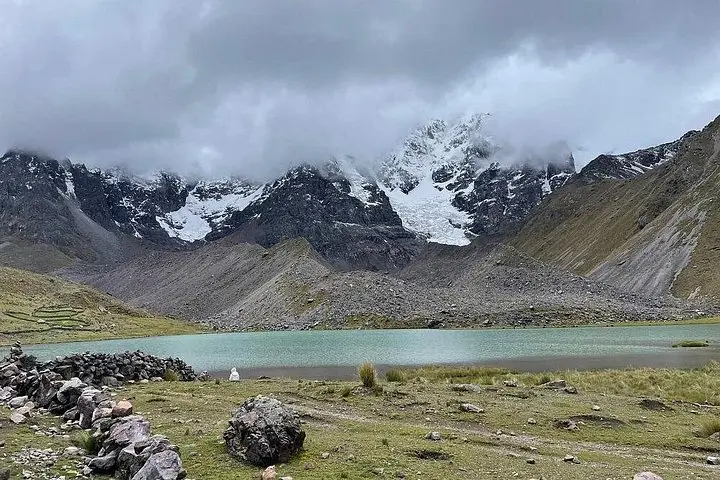
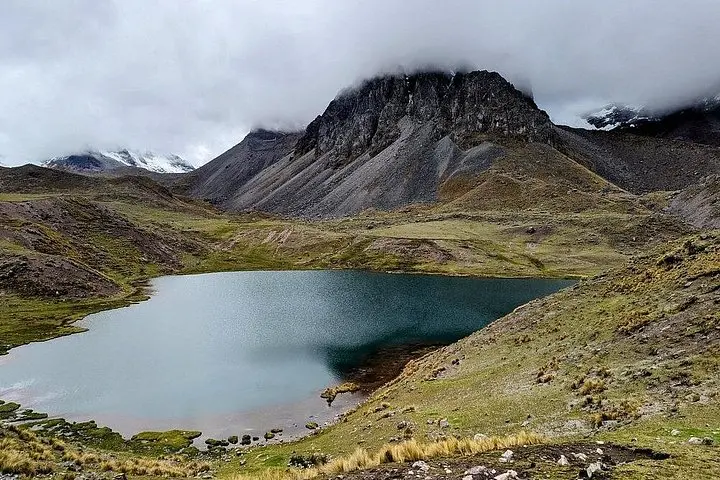
The seven lagoons sit on the flanks of Apu Ausangate, the sacred mountain long revered by Andean communities. The landscape here is recent geologically — high cirques, moraine-dammed lakes and seasonal melt channels — and culturally layered, with shepherd camps, woven textiles, and offerings left at cairns. Local guides explain practices that tie livestock routes to water sources and point out subtle traces of pre-Columbian trail work.
Expect 4–6 hours of walking spread across exposed high tundra with short ups and downs between viewpoints and lakes; the itinerary often includes a return lunch in Pacchanta and an optional soak in thermal pools. Weather shifts quickly: sun can give way to sleet within an hour, and altitude — often 4,200–4,600 m — is the defining challenge.
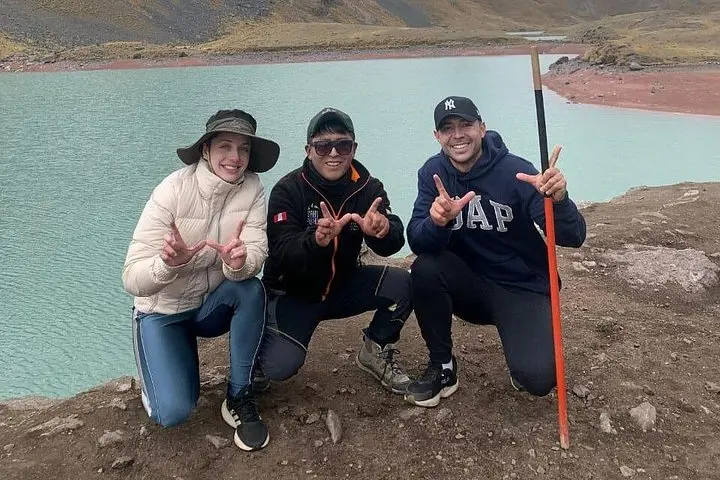
Practical notes: acclimatize in Cusco for at least 48 hours, carry layered clothing, and prioritize hydration and sun protection. Boots with firm soles and trekking poles make steep, stony stretches easier. Guides handle permits and logistics; travelers should bring cash for optional baths or small local purchases.
This is a long, high-altitude day that rewards with hard-won colors, close cultural contact, and the rare quiet of Andean lagoons under a broad, changeable sky.
Typical departures from Cusco begin around 4:00 AM with return around 6:30–7:00 PM; total door-to-door time is roughly 12–15 hours.
Thermal pool access is usually optional with a small local fee (the operator lists S/15 as a typical extra cost) and isn’t always included in the base price.
No formal experience is required but prior exposure to elevations above 3,000 m and good fitness are strongly recommended to reduce altitude sickness risk.
Yes — most tours include hotel pickup, breakfast, lunch, a professional guide, and entrance fees as listed by the operator.
Machupicchu Adventure operates guided outdoor trips and adventures with an emphasis on safety, stewardship, and memorable experiences.
Before dawn a shuttle pulls out of Cusco and the road narrows into puna: wind-sculpted grasses and the first hard light on Ausangate's ridgeline. By breakfast in Pacchanta the air is thin and sharp; hikers tighten layers, breathe deep, and set off toward a string of turquoise basins carved beneath glaciers.
Before dawn a shuttle pulls out of Cusco and the road narrows into puna: wind-sculpted grasses and the first hard light on Ausangate's ridgeline. By breakfast in Pacchanta the air is thin and sharp; hikers tighten layers, breathe deep, and set off toward a string of turquoise basins carved beneath glaciers.
The seven lagoons sit on the flanks of Apu Ausangate, the sacred mountain long revered by Andean communities. The landscape here is recent geologically — high cirques, moraine-dammed lakes and seasonal melt channels — and culturally layered, with shepherd camps, woven textiles, and offerings left at cairns. Local guides explain practices that tie livestock routes to water sources and point out subtle traces of pre-Columbian trail work.
Expect 4–6 hours of walking spread across exposed high tundra with short ups and downs between viewpoints and lakes; the itinerary often includes a return lunch in Pacchanta and an optional soak in thermal pools. Weather shifts quickly: sun can give way to sleet within an hour, and altitude — often 4,200–4,600 m — is the defining challenge.
Practical notes: acclimatize in Cusco for at least 48 hours, carry layered clothing, and prioritize hydration and sun protection. Boots with firm soles and trekking poles make steep, stony stretches easier. Guides handle permits and logistics; travelers should bring cash for optional baths or small local purchases.
This is a long, high-altitude day that rewards with hard-won colors, close cultural contact, and the rare quiet of Andean lagoons under a broad, changeable sky.