THE ADVENTURE COLLECTIVE® · Independent discovery and booking for outdoor travel

A seven-day loop from Pokhara into the Annapurna Sanctuary, this trek blends high-alpine views with Gurung village culture and teahouse nights. Learn the terrain, timing, and essential planning to reach Annapurna Base Camp safely and comfortably.
A seven-day loop from Pokhara into the Annapurna Sanctuary, this trek blends high-alpine views with Gurung village culture and teahouse nights. Learn the terrain, timing, and essential planning to reach Annapurna Base Camp safely and comfortably.
The trail opens under a wash of Himalayan light as trekkers leave Pokhara by vehicle and descend toward Nayapul, the gateway to a week in the Annapurna Sanctuary. Rhododendron-clad ridges and stone steps guide the route through Gurung villages where the air carries wood smoke, prayer flags, and a steady uphill rhythm.
Verified experiences and guided adventures in the surrounding area.
Operated by Worldwide Tourism Inc - Highly Recommended Travel Company · Pokhara, Gandaki Province
The trail opens under a wash of Himalayan light as trekkers leave Pokhara by vehicle and descend toward Nayapul, the gateway to a week in the Annapurna Sanctuary. Rhododendron-clad ridges and stone steps guide the route through Gurung villages where the air carries wood smoke, prayer flags, and a steady uphill rhythm.
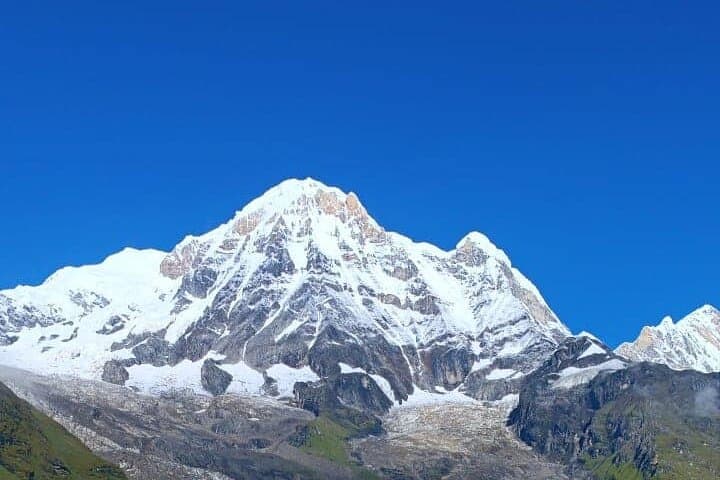
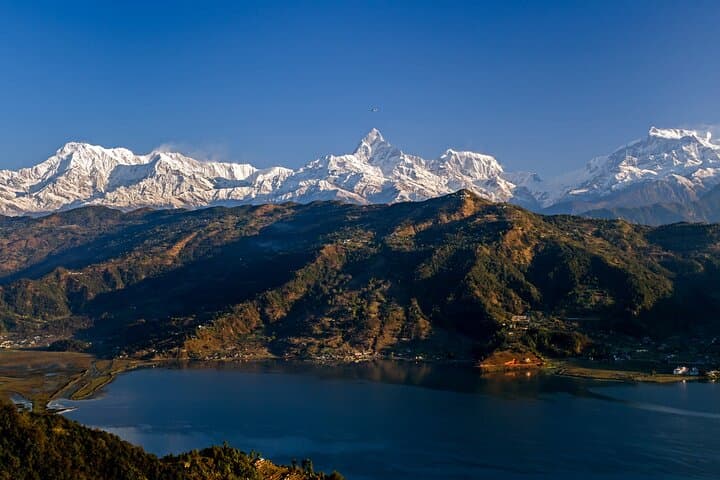
The trek follows centuries-old mule and footpaths carved into the Annapurna massif, entering the protected Annapurna Conservation Area. Geologically, the route threads glacial cirques and steep moraine slopes beneath towering granite-and-schist peaks; Annapurna I and Machapuchhre loom like watchful ridges. The Gurung and Magar communities that dot the valley offer warm teahouse hospitality and a chance to learn local farming, craft, and mountain lore.
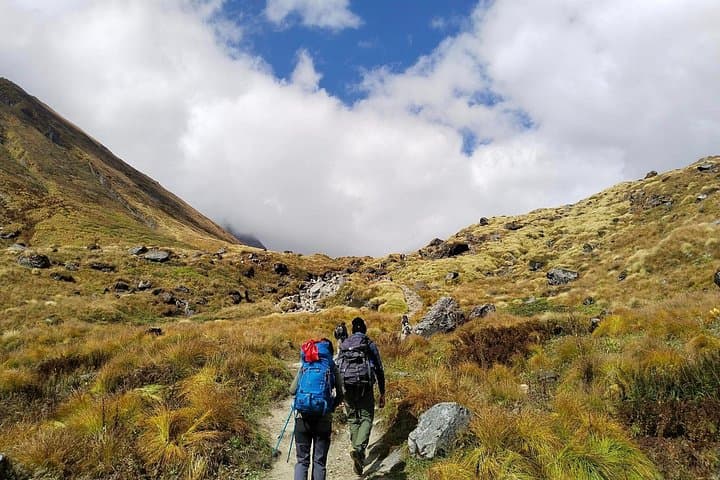
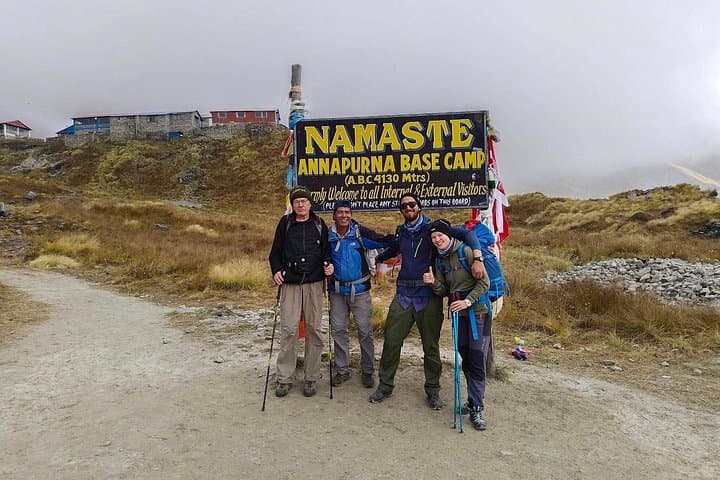
Expect mixed terrain: packed earth, long stone staircases, narrow ridgelines and loose scree near higher camps. Days are typically 4–7 hours of trekking with steady elevation gain — the high point at Annapurna Base Camp sits above 4,100 m, where winds push and mountains close in.
Practical notes: acclimatize, drink frequently, and keep a slow, steady pace; porters and an experienced, government-authorized guide reduce load and risk. Guest houses provide basic meals and beds, but bring a warm sleeping layer and a headlamp for early starts. Jhinu Danda’s natural hot springs make a welcome recovery on the final day before the drive back to Pokhara.
This itinerary balances cultural contact and high-alpine scenery, best attempted with moderate fitness and respect for altitude and local conservation rules.
With moderate fitness and proper pacing it’s accessible, but altitude and daily climbs make it challenging; a guide and porter included here reduce logistical strain.
Yes—Annapurna Conservation Area Permit (ACAP) and a TIMS card are required and are included in this tour’s arrangements.
Teahouse/guest house rooms are basic—shared or small private rooms with simple bedding and shared bathrooms; bring a light sleeping liner for comfort.
Fall (Sept–Nov) and spring (Mar–May) offer the most stable weather and clear mountain views; monsoon brings clouds and winter is colder with possible snow.
Worldwide Tourism Inc - Highly Recommended Travel Company operates guided outdoor trips and adventures with an emphasis on safety, stewardship, and memorable experiences.
The trail opens under a wash of Himalayan light as trekkers leave Pokhara by vehicle and descend toward Nayapul, the gateway to a week in the Annapurna Sanctuary. Rhododendron-clad ridges and stone steps guide the route through Gurung villages where the air carries wood smoke, prayer flags, and a steady uphill rhythm.
The trail opens under a wash of Himalayan light as trekkers leave Pokhara by vehicle and descend toward Nayapul, the gateway to a week in the Annapurna Sanctuary. Rhododendron-clad ridges and stone steps guide the route through Gurung villages where the air carries wood smoke, prayer flags, and a steady uphill rhythm.
The trek follows centuries-old mule and footpaths carved into the Annapurna massif, entering the protected Annapurna Conservation Area. Geologically, the route threads glacial cirques and steep moraine slopes beneath towering granite-and-schist peaks; Annapurna I and Machapuchhre loom like watchful ridges. The Gurung and Magar communities that dot the valley offer warm teahouse hospitality and a chance to learn local farming, craft, and mountain lore.
Expect mixed terrain: packed earth, long stone staircases, narrow ridgelines and loose scree near higher camps. Days are typically 4–7 hours of trekking with steady elevation gain — the high point at Annapurna Base Camp sits above 4,100 m, where winds push and mountains close in.
Practical notes: acclimatize, drink frequently, and keep a slow, steady pace; porters and an experienced, government-authorized guide reduce load and risk. Guest houses provide basic meals and beds, but bring a warm sleeping layer and a headlamp for early starts. Jhinu Danda’s natural hot springs make a welcome recovery on the final day before the drive back to Pokhara.
This itinerary balances cultural contact and high-alpine scenery, best attempted with moderate fitness and respect for altitude and local conservation rules.