THE ADVENTURE COLLECTIVE® · Independent discovery and booking for outdoor travel

A classic seven-day teahouse trek from Pokhara to Annapurna Base Camp that combines steep stone stairways, Gurung culture, and an amphitheater of 7,000–8,000m peaks. Ideal for fit trekkers who prioritize acclimatization, local hospitality, and clear-season summit views.
A classic seven-day teahouse trek from Pokhara to Annapurna Base Camp that combines steep stone stairways, Gurung culture, and an amphitheater of 7,000–8,000m peaks. Ideal for fit trekkers who prioritize acclimatization, local hospitality, and clear-season summit views.
Morning in the Annapurna Sanctuary begins with a thin light that slices across craggy ridges and turns prayer flags electric against a cold blue sky. Walkers leave Pokhara before dawn, trade the lake’s calm for suspension-bridge rattles and stone stairways that climb through rhododendron forest, past Gurung villages, and finally open onto a bowl of high peaks at Annapurna Base Camp (ABC).
Verified experiences and guided adventures in the surrounding area.
Operated by Swami Narayan Travels Pvt Ltd · Pokhara, Gandaki Province
Morning in the Annapurna Sanctuary begins with a thin light that slices across craggy ridges and turns prayer flags electric against a cold blue sky. Walkers leave Pokhara before dawn, trade the lake’s calm for suspension-bridge rattles and stone stairways that climb through rhododendron forest, past Gurung villages, and finally open onto a bowl of high peaks at Annapurna Base Camp (ABC).
This route threads cultural and geological contrasts: terraced farmland and Gurung villages give way to dense temperate forest, then to glacially carved amphitheaters under the south face of Annapurna I. The trek follows well-trodden teahouse routes established during the mid-20th-century exploration of the Himalaya and serves as a living corridor for local trade and mountain culture.
Expect 6–8 days of hiking, roughly 40–60 km depending on approach, with a net ascent from ~1,150 m (Phedi) to 4,130 m (ABC). Terrain alternates packed dirt and stone steps, with short steep pitches where breathing and pace matter. Nights are in guesthouses with simple meals; acclimatization is non-negotiable — move steadily, hydrate, and watch for altitude symptoms.
Practical tips: hike early to avoid mid-day glare, pack windproof layers for summit bivouac-like conditions, and bring cash for teahouse supplies. The best windows are spring and autumn for stable weather and clear summit views, while monsoon greens the forest and winter delivers snow and solid high-altitude cold. For a responsible trip, follow local guidelines, minimize waste at tea houses, and hire licensed guides familiar with local rescue and permit procedures.
Yes—trekkers must carry an Annapurna Conservation Area Permit (ACAP) and a TIMS card; guides typically arrange these before departure.
Expect 4–7 hours of walking per day on mixed terrain with significant elevation gain on ascent days; rest and pacing are important for acclimatization.
Teahouses are basic and colder in winter; many close mid-winter and heating is limited—proper cold-weather gear is essential.
Most guesthouses offer charging for a small fee or donation, but bring portable power and expect intermittent availability at higher elevations.
Swami Narayan Travels Pvt Ltd operates guided outdoor trips and adventures with an emphasis on safety, stewardship, and memorable experiences.


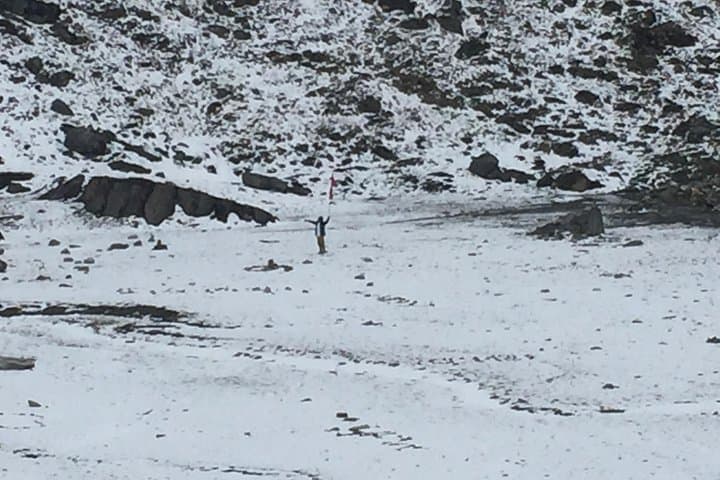
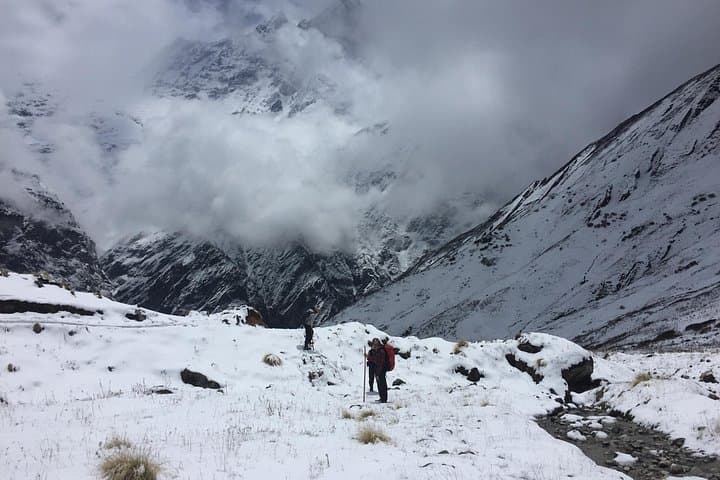
Morning in the Annapurna Sanctuary begins with a thin light that slices across craggy ridges and turns prayer flags electric against a cold blue sky. Walkers leave Pokhara before dawn, trade the lake’s calm for suspension-bridge rattles and stone stairways that climb through rhododendron forest, past Gurung villages, and finally open onto a bowl of high peaks at Annapurna Base Camp (ABC).
Morning in the Annapurna Sanctuary begins with a thin light that slices across craggy ridges and turns prayer flags electric against a cold blue sky. Walkers leave Pokhara before dawn, trade the lake’s calm for suspension-bridge rattles and stone stairways that climb through rhododendron forest, past Gurung villages, and finally open onto a bowl of high peaks at Annapurna Base Camp (ABC).
This route threads cultural and geological contrasts: terraced farmland and Gurung villages give way to dense temperate forest, then to glacially carved amphitheaters under the south face of Annapurna I. The trek follows well-trodden teahouse routes established during the mid-20th-century exploration of the Himalaya and serves as a living corridor for local trade and mountain culture.
Expect 6–8 days of hiking, roughly 40–60 km depending on approach, with a net ascent from ~1,150 m (Phedi) to 4,130 m (ABC). Terrain alternates packed dirt and stone steps, with short steep pitches where breathing and pace matter. Nights are in guesthouses with simple meals; acclimatization is non-negotiable — move steadily, hydrate, and watch for altitude symptoms.
Practical tips: hike early to avoid mid-day glare, pack windproof layers for summit bivouac-like conditions, and bring cash for teahouse supplies. The best windows are spring and autumn for stable weather and clear summit views, while monsoon greens the forest and winter delivers snow and solid high-altitude cold. For a responsible trip, follow local guidelines, minimize waste at tea houses, and hire licensed guides familiar with local rescue and permit procedures.