THE ADVENTURE COLLECTIVE® · Independent discovery and booking for outdoor travel
This private 7-day Annapurna Base Camp trek fast-tracks you from Pokhara into the Sanctuary, combining steep stone stairways, alpine forests and a glacier rim of 8,000m peaks. Expect lodge-to-lodge logistics, significant altitude gain and panoramic Himalayan views.
This private 7-day Annapurna Base Camp trek fast-tracks you from Pokhara into the Sanctuary, combining steep stone stairways, alpine forests and a glacier rim of 8,000m peaks. Expect lodge-to-lodge logistics, significant altitude gain and panoramic Himalayan views.
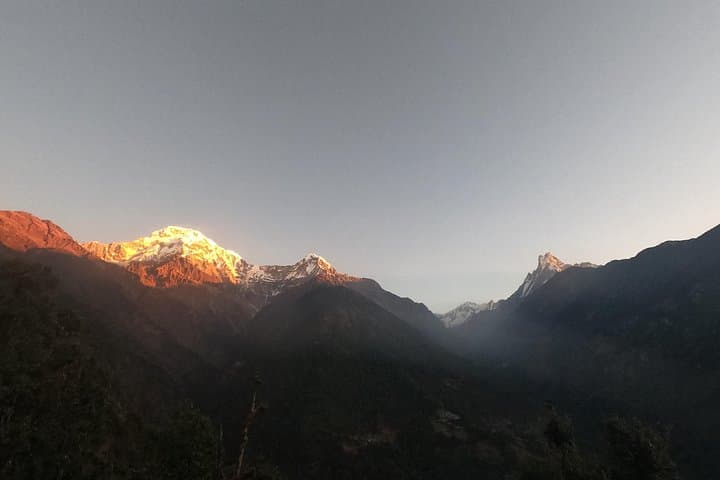
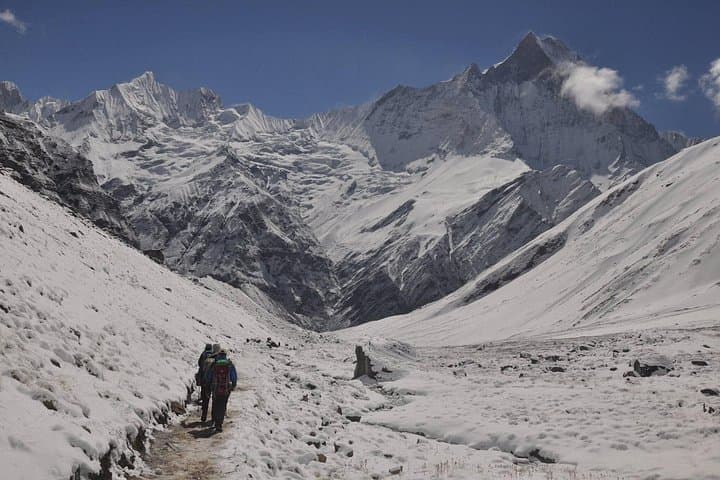
A cold light spills over jagged ridgelines as trekkers step from Jhinu’s terraces into a forest of rhododendron and oak, the trail immediately beginning its upward negotiation. On this private, seven-day itinerary the group moves fast: jeep to Samrung, steady climbs through Chhomrong and Bamboo, then the thin-air approach into the glacial amphitheater of the Annapurna Sanctuary.
Verified experiences and guided adventures in the surrounding area.
Operated by Nepal Alternative Treks & Expeditions Pvt. Ltd. · Pokhara, Gandaki Province
A cold light spills over jagged ridgelines as trekkers step from Jhinu’s terraces into a forest of rhododendron and oak, the trail immediately beginning its upward negotiation. On this private, seven-day itinerary the group moves fast: jeep to Samrung, steady climbs through Chhomrong and Bamboo, then the thin-air approach into the glacial amphitheater of the Annapurna Sanctuary.
Geology here is unapologetically raw — the Annapurna massif is a horseshoe of uplifted granite and metamorphic rock framing a glacier-fed basin. Local Gurung villages occupy the lower slopes; their stone houses, terraced fields and mani walls reflect centuries of mountain agriculture and Tibetan-Buddhist culture. Historically the Sanctuary was a semi-sacred enclosure, and modern trekking routes thread old trade tracks and shepherd paths.
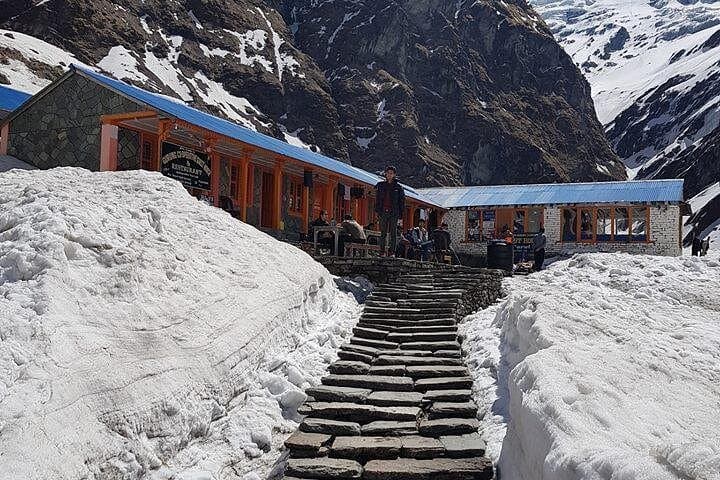
Expect a mix of stone stairways, narrow forested steps, alpine meadows and scree near base camp; daily elevation changes are significant, with the high point at ~4,130 m (ABC). The Modi River keeps time below, sometimes daring you with its roar, sometimes whispering in side gorges. Wildlife is shy but present — Himalayan birds, langur and occasional musk deer.
Practical guidance: acclimatize early, carry layers and a reliable rain shell, and use trekking poles for long descents. Lodges along the route provide simple food, hot drinks and basic rooms; potable water purification is recommended. Be prepared for early mornings for the best summit light and to avoid afternoon cloud build-up. Emergency evacuation and ACAP permits are included for organized departures, but personal fitness and altitude respect remain the traveler’s responsibility.
The trek requires an ACAP permit and TIMS card; organized treks usually handle permit processing before departure.
Night temperatures at ABC can drop well below freezing, especially October–April; daytime in sheltered sun can be mild but wind and clouds change conditions quickly.
While not strictly required, prior multi-day trekking experience and good cardiovascular fitness significantly reduce risks and improve enjoyment.
Yes — this itinerary uses local teahouses and lodges with basic rooms and meals; bring insulation and earplugs for shared accommodations.
Nepal Alternative Treks & Expeditions Pvt. Ltd. operates guided outdoor trips and adventures with an emphasis on safety, stewardship, and memorable experiences.

A cold light spills over jagged ridgelines as trekkers step from Jhinu’s terraces into a forest of rhododendron and oak, the trail immediately beginning its upward negotiation. On this private, seven-day itinerary the group moves fast: jeep to Samrung, steady climbs through Chhomrong and Bamboo, then the thin-air approach into the glacial amphitheater of the Annapurna Sanctuary.
A cold light spills over jagged ridgelines as trekkers step from Jhinu’s terraces into a forest of rhododendron and oak, the trail immediately beginning its upward negotiation. On this private, seven-day itinerary the group moves fast: jeep to Samrung, steady climbs through Chhomrong and Bamboo, then the thin-air approach into the glacial amphitheater of the Annapurna Sanctuary.
Geology here is unapologetically raw — the Annapurna massif is a horseshoe of uplifted granite and metamorphic rock framing a glacier-fed basin. Local Gurung villages occupy the lower slopes; their stone houses, terraced fields and mani walls reflect centuries of mountain agriculture and Tibetan-Buddhist culture. Historically the Sanctuary was a semi-sacred enclosure, and modern trekking routes thread old trade tracks and shepherd paths.
Expect a mix of stone stairways, narrow forested steps, alpine meadows and scree near base camp; daily elevation changes are significant, with the high point at ~4,130 m (ABC). The Modi River keeps time below, sometimes daring you with its roar, sometimes whispering in side gorges. Wildlife is shy but present — Himalayan birds, langur and occasional musk deer.
Practical guidance: acclimatize early, carry layers and a reliable rain shell, and use trekking poles for long descents. Lodges along the route provide simple food, hot drinks and basic rooms; potable water purification is recommended. Be prepared for early mornings for the best summit light and to avoid afternoon cloud build-up. Emergency evacuation and ACAP permits are included for organized departures, but personal fitness and altitude respect remain the traveler’s responsibility.
