THE ADVENTURE COLLECTIVE® · Independent discovery and booking for outdoor travel

Head out of Los Angeles on a seven-day loop that stitches neon Vegas, the slot canyons of Page, the jagged skyline of the Tetons, and the steaming basins of Yellowstone into one compact itinerary. Expect long drives, short guided walks, high-elevation views, and unforgettable photo moments.
Head out of Los Angeles on a seven-day loop that stitches neon Vegas, the slot canyons of Page, the jagged skyline of the Tetons, and the steaming basins of Yellowstone into one compact itinerary. Expect long drives, short guided walks, high-elevation views, and unforgettable photo moments.
By the time the bus slides out of Los Angeles and into the Mojave, the sun has already started to bake the highway and the chattering city becomes a ribbon of taillights behind you. Joshua trees puncture the horizon like forgotten sculptures and the driver nudges the itinerary forward with a practiced rhythm: Las Vegas for a neon pulse, Page for the copper ribs of Antelope Canyon, then north past Grand Teton to Yellowstone’s steaming basins and the high salt flats of Utah.
Verified experiences and guided adventures in the surrounding area.
Operated by Jupiter Legend Corporation · Los Angeles, California
By the time the bus slides out of Los Angeles and into the Mojave, the sun has already started to bake the highway and the chattering city becomes a ribbon of taillights behind you. Joshua trees puncture the horizon like forgotten sculptures and the driver nudges the itinerary forward with a practiced rhythm: Las Vegas for a neon pulse, Page for the copper ribs of Antelope Canyon, then north past Grand Teton to Yellowstone’s steaming basins and the high salt flats of Utah.
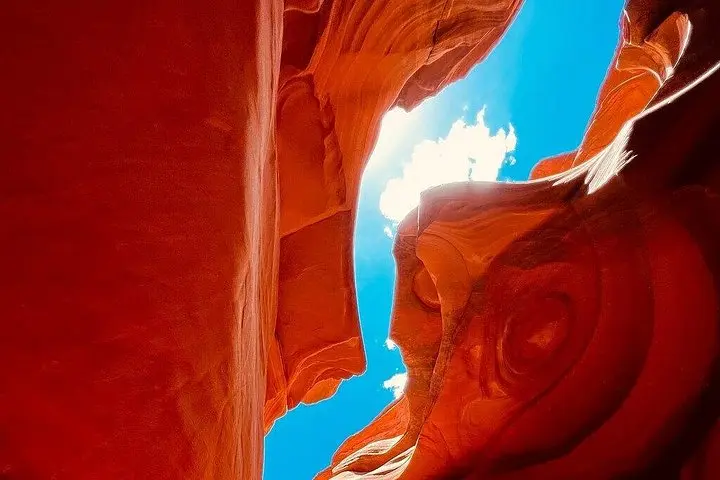
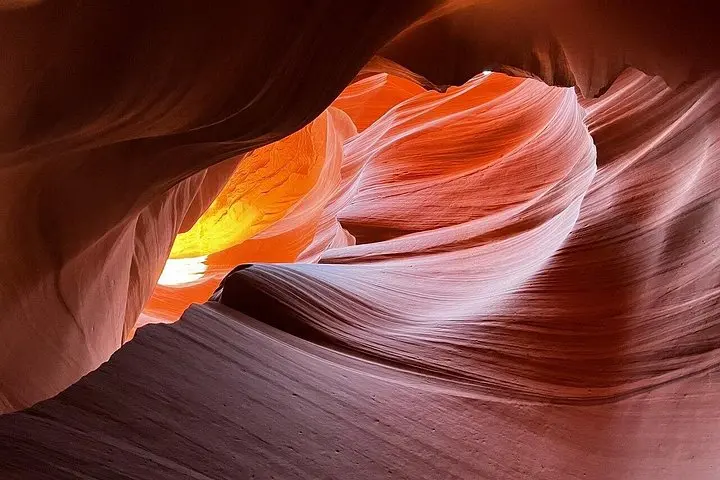
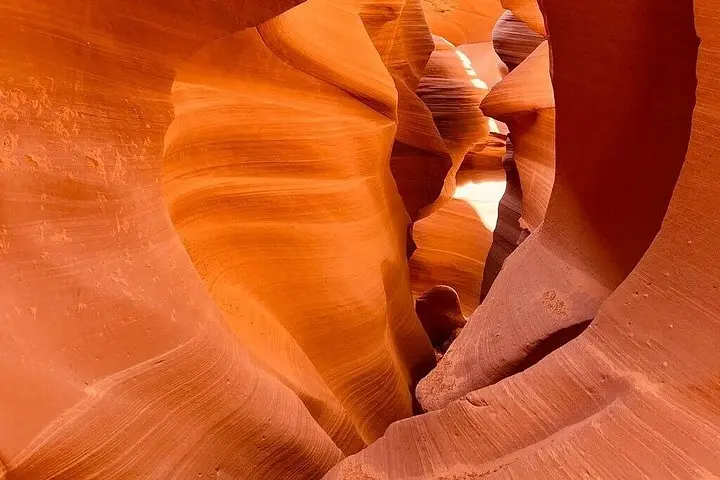
Lower Antelope Canyon is where the trip first slows. You transfer from vehicle to dust and laddered sandstone—narrow passages that compress sound until the canyon seems to speak. The walls are carved by flash floods and time; light filters down in orange bands that shift with the sun and the crowd. Nearby, Horseshoe Bend offers the other kind of perspective: a single mile-long approach to a cliff edge delivering a horseshoe of green river and sheer desert cliffs.
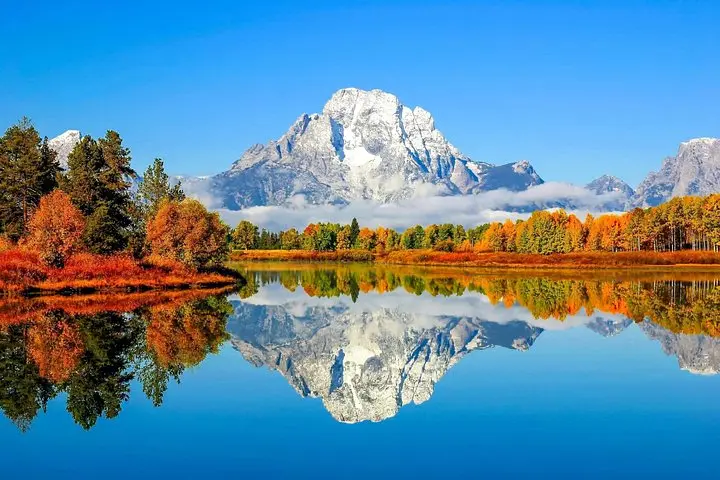
From the red-rock Southwest to the alpine sweep of Grand Teton, the geology is a tour through dramatic processes. Glen Canyon and Lake Powell mark human intervention—dams and reshaped waterways—while Yellowstone sits atop a volcanic caldera whose geysers and hot springs betray a deep, restless heat. Culturally this route crosses Navajo land around Page, Mormon heritage around Salt Lake City, and the long cowboy traditions of Jackson Hole; each place offers different rules, histories, and etiquettes to respect.
Practicalities anchor the romance: this is a road-based, multi-day tour with long driving legs—expect several days with 4–7 hours bus time—and short guided stops that are timed to make the schedule work. Antelope Canyon typically involves a guided, timed slot-canyon walk (bring a light pack and sturdy shoes). Yellowstone’s thermal areas require closed-toe shoes and attention to boardwalks; the park sits mostly above 7,000 feet, so give yourself time to adapt and hydrate. Weather swings fast—sunburn in the desert, afternoon thunderstorms in the mountains—so layer.
Photography is forgiving if you arrive early or late in the day: soft light at Horseshoe Bend and slot-canyon shafts at mid-morning make the colors sing. Bring a small tripod and a polarizer for the hot-spring runoff and river reflections.
On logistics: carry water and snacks for long transfers, have your ID and printed confirmation for pick-ups, and be flexible—traffic, weather, and park conditions can alter the order of stops. For travelers who want a compact cross-section of the American West—red rock, neon, alpine ranges, geothermal spectacle—this seven-day loop is efficient and visually generous. It asks little of your fitness but rewards attentiveness: the landscapes keep moving, and the bus stops long enough to let you step into each one.
Expect multiple long driving legs—some days 4–7 hours on the bus between stops; the itinerary balances early departures with several 30–90 minute sightseeing stops.
Entry fees for Yellowstone, Grand Teton, Great Salt Lake, and some other attractions are included; some optional experiences (Lower Antelope Canyon guided ticket, Yellowstone Bear World, helicopter night tours) may be extra.
Bring small cash for optional admissions, snacks, tips, and souvenirs; most major stops accept cards but some concession stands or local vendors may be cash-preferred.
Yes—the tour is listed as suitable for all fitness levels, but children under 6 may require booster seats and long drives can be tiring for younger kids; seniors should be able to board buses and manage short walks.
Standard checked luggage is transported on the coach; bring a small daypack for the short guided walks since large bags are not practical in slot canyons and thermal boardwalks.
Yes—options to end the tour in Las Vegas or Los Angeles are available but must be requested at booking; note there are recommended flight times on the final day to allow for transfers.
Jupiter Legend Corporation operates guided outdoor trips and adventures with an emphasis on safety, stewardship, and memorable experiences.
By the time the bus slides out of Los Angeles and into the Mojave, the sun has already started to bake the highway and the chattering city becomes a ribbon of taillights behind you. Joshua trees puncture the horizon like forgotten sculptures and the driver nudges the itinerary forward with a practiced rhythm: Las Vegas for a neon pulse, Page for the copper ribs of Antelope Canyon, then north past Grand Teton to Yellowstone’s steaming basins and the high salt flats of Utah.
By the time the bus slides out of Los Angeles and into the Mojave, the sun has already started to bake the highway and the chattering city becomes a ribbon of taillights behind you. Joshua trees puncture the horizon like forgotten sculptures and the driver nudges the itinerary forward with a practiced rhythm: Las Vegas for a neon pulse, Page for the copper ribs of Antelope Canyon, then north past Grand Teton to Yellowstone’s steaming basins and the high salt flats of Utah.
Lower Antelope Canyon is where the trip first slows. You transfer from vehicle to dust and laddered sandstone—narrow passages that compress sound until the canyon seems to speak. The walls are carved by flash floods and time; light filters down in orange bands that shift with the sun and the crowd. Nearby, Horseshoe Bend offers the other kind of perspective: a single mile-long approach to a cliff edge delivering a horseshoe of green river and sheer desert cliffs.
From the red-rock Southwest to the alpine sweep of Grand Teton, the geology is a tour through dramatic processes. Glen Canyon and Lake Powell mark human intervention—dams and reshaped waterways—while Yellowstone sits atop a volcanic caldera whose geysers and hot springs betray a deep, restless heat. Culturally this route crosses Navajo land around Page, Mormon heritage around Salt Lake City, and the long cowboy traditions of Jackson Hole; each place offers different rules, histories, and etiquettes to respect.
Practicalities anchor the romance: this is a road-based, multi-day tour with long driving legs—expect several days with 4–7 hours bus time—and short guided stops that are timed to make the schedule work. Antelope Canyon typically involves a guided, timed slot-canyon walk (bring a light pack and sturdy shoes). Yellowstone’s thermal areas require closed-toe shoes and attention to boardwalks; the park sits mostly above 7,000 feet, so give yourself time to adapt and hydrate. Weather swings fast—sunburn in the desert, afternoon thunderstorms in the mountains—so layer.
Photography is forgiving if you arrive early or late in the day: soft light at Horseshoe Bend and slot-canyon shafts at mid-morning make the colors sing. Bring a small tripod and a polarizer for the hot-spring runoff and river reflections.
On logistics: carry water and snacks for long transfers, have your ID and printed confirmation for pick-ups, and be flexible—traffic, weather, and park conditions can alter the order of stops. For travelers who want a compact cross-section of the American West—red rock, neon, alpine ranges, geothermal spectacle—this seven-day loop is efficient and visually generous. It asks little of your fitness but rewards attentiveness: the landscapes keep moving, and the bus stops long enough to let you step into each one.