THE ADVENTURE COLLECTIVE® · Independent discovery and booking for outdoor travel

Experience ANZAC remembrance at Gallipoli before exploring Troy’s ancient ruins, Pergamon’s acropolis, Pamukkale’s travertines and the marble avenues of Ephesus on this guided 7‑day cultural tour.
Experience ANZAC remembrance at Gallipoli before exploring Troy’s ancient ruins, Pergamon’s acropolis, Pamukkale’s travertines and the marble avenues of Ephesus on this guided 7‑day cultural tour.
The day begins before dawn on a wind-bitten ridge above the Aegean: torchlight and the low murmur of gathered voices as the beach below darkens into silhouette. On this 7‑day circuit, travelers move from commemorative silence at Gallipoli to the clatter of excavations at Troy, the steep terraces of Pergamon and the white travertines of Pamukkale, ending among the marble streets of Ephesus.
Verified experiences and guided adventures in the surrounding area.
Operated by Samyeli Travel · Kuşadası, Aydın
The day begins before dawn on a wind-bitten ridge above the Aegean: torchlight and the low murmur of gathered voices as the beach below darkens into silhouette. On this 7‑day circuit, travelers move from commemorative silence at Gallipoli to the clatter of excavations at Troy, the steep terraces of Pergamon and the white travertines of Pamukkale, ending among the marble streets of Ephesus.
Gallipoli’s ridgelines and trenches speak to modern history—ANZAC memorials, narrow gullies and salt-scrubbed slopes shaped by war. Troy and Pergamon turn the clock back millennia: layered city walls, Hellenistic theaters and marble libraries carved into hillsides, where elevation gains can reach roughly 120–180 m on the Pergamon approach over uneven stone steps. Pamukkale’s travertines are geological theatre—calcium-rich springs building terraces that demand careful, barefoot boardwalk travel across about 1–2 km of stepped calcite. Ephesus offers compact exploration: expect 2–3 km of paved Roman streets with intermittent stairs and uneven flagstones.
Culturally the route threads Ottoman and Anatolian threads with classical Greek and Roman legacies; local guides illuminate burial practices, ancient trade routes and the contested memories at Gallipoli. Practical notes: this is a bus-based, moderate tour with daily walking on uneven terrain—bring sturdy shoes, sun protection and a small daypack. Dawn and memorial services require respectful dress and quiet; weather in April can swing from cool predawn chills to warm afternoons, so layer. Expect long travel segments by coach, organized group timings for services and the flexibility to photograph while staying with the group. This itinerary pairs solemn reflection with deep archaeological immersion—prepare for steep stairs, loose scree and powerful vistas.
The tour includes access arranged for the Dawn Service; follow the operator’s instructions for coach allocation and arrival times—personal passes are not required if booked through the tour.
Expect 2–4 km of walking at archaeological sites with uneven surfaces, short climbs (Pergamon ~120–180 m gain) and steps—comfortable shoes are essential.
Some memorials and museums offer accessible routes, but trenches, steep terraces and travertines have limited wheelchair access—check with the operator for specific arrangements.
Access to the travertine pools is regulated; designated areas allow wading but many pools are closed to protect the formations—follow onsite rules and boardwalks.
Samyeli Travel operates guided outdoor trips and adventures with an emphasis on safety, stewardship, and memorable experiences.

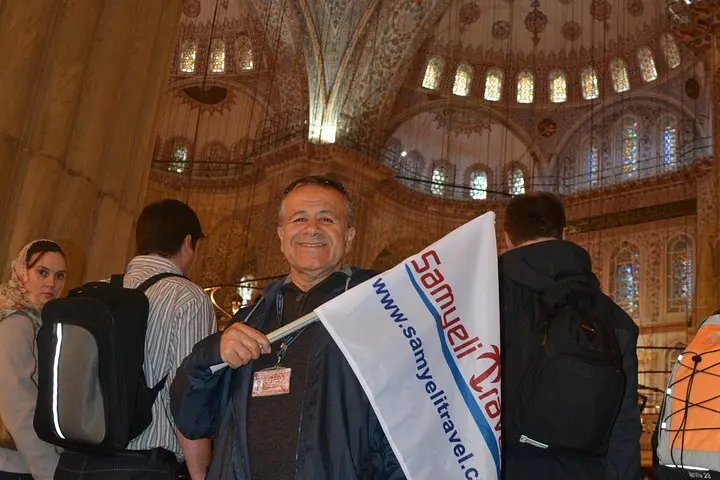
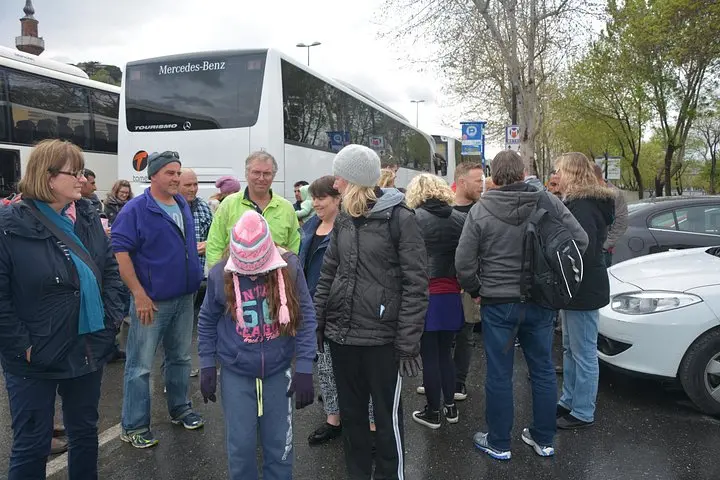
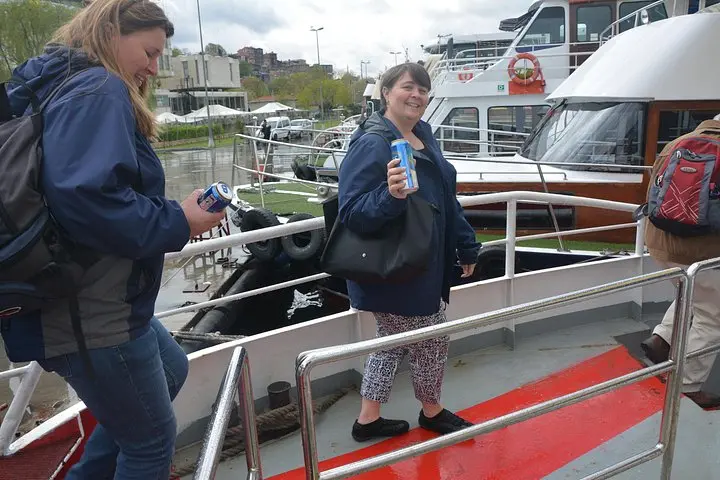
The day begins before dawn on a wind-bitten ridge above the Aegean: torchlight and the low murmur of gathered voices as the beach below darkens into silhouette. On this 7‑day circuit, travelers move from commemorative silence at Gallipoli to the clatter of excavations at Troy, the steep terraces of Pergamon and the white travertines of Pamukkale, ending among the marble streets of Ephesus.
The day begins before dawn on a wind-bitten ridge above the Aegean: torchlight and the low murmur of gathered voices as the beach below darkens into silhouette. On this 7‑day circuit, travelers move from commemorative silence at Gallipoli to the clatter of excavations at Troy, the steep terraces of Pergamon and the white travertines of Pamukkale, ending among the marble streets of Ephesus.
Gallipoli’s ridgelines and trenches speak to modern history—ANZAC memorials, narrow gullies and salt-scrubbed slopes shaped by war. Troy and Pergamon turn the clock back millennia: layered city walls, Hellenistic theaters and marble libraries carved into hillsides, where elevation gains can reach roughly 120–180 m on the Pergamon approach over uneven stone steps. Pamukkale’s travertines are geological theatre—calcium-rich springs building terraces that demand careful, barefoot boardwalk travel across about 1–2 km of stepped calcite. Ephesus offers compact exploration: expect 2–3 km of paved Roman streets with intermittent stairs and uneven flagstones.
Culturally the route threads Ottoman and Anatolian threads with classical Greek and Roman legacies; local guides illuminate burial practices, ancient trade routes and the contested memories at Gallipoli. Practical notes: this is a bus-based, moderate tour with daily walking on uneven terrain—bring sturdy shoes, sun protection and a small daypack. Dawn and memorial services require respectful dress and quiet; weather in April can swing from cool predawn chills to warm afternoons, so layer. Expect long travel segments by coach, organized group timings for services and the flexibility to photograph while staying with the group. This itinerary pairs solemn reflection with deep archaeological immersion—prepare for steep stairs, loose scree and powerful vistas.