THE ADVENTURE COLLECTIVE® · Independent discovery and booking for outdoor travel

A seven-day, hands-on tour through Accra and the Central Region that pairs traditional pottery, batik and black-soap workshops with historic sites and Kakum’s rainforest canopy. Expect studio time with local artisans, private transport, and a deep dive into Ghana’s craft heritage.
A seven-day, hands-on tour through Accra and the Central Region that pairs traditional pottery, batik and black-soap workshops with historic sites and Kakum’s rainforest canopy. Expect studio time with local artisans, private transport, and a deep dive into Ghana’s craft heritage.
Morning light spills across Accra as a private van winds away from the coast and into neighborhoods where artisans still work by hand. Over seven days travelers move between studio benches and rainforest boardwalks — shaping clay, laying wax, and learning the chemistry of black soap with local makers who expect mud on your hands and questions on your lips.
Verified experiences and guided adventures in the surrounding area.
Operated by Landtours LLC · Accra, Greater Accra Region
Morning light spills across Accra as a private van winds away from the coast and into neighborhoods where artisans still work by hand. Over seven days travelers move between studio benches and rainforest boardwalks — shaping clay, laying wax, and learning the chemistry of black soap with local makers who expect mud on your hands and questions on your lips.
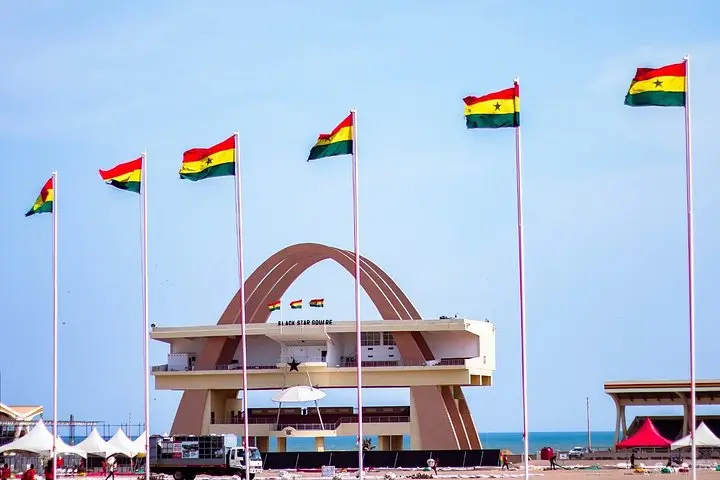
This itinerary threads modern Accra with Ghana’s coastal history. Visitors encounter Kwame Nkrumah Memorial Park and the layered story of Cape Coast Castle, built in the 1600s and a sobering site of the trans-Atlantic slave trade. Geologically the route crosses coastal plains into the humid canopy of Kakum National Park, where a 40-meter-high suspension walkway offers a literal new perspective on an old forest. Aburi Botanical Gardens, founded in 1890, provides a botanical counterpoint — palms and experimental plantings that reflect colonial-era horticultural exchange.
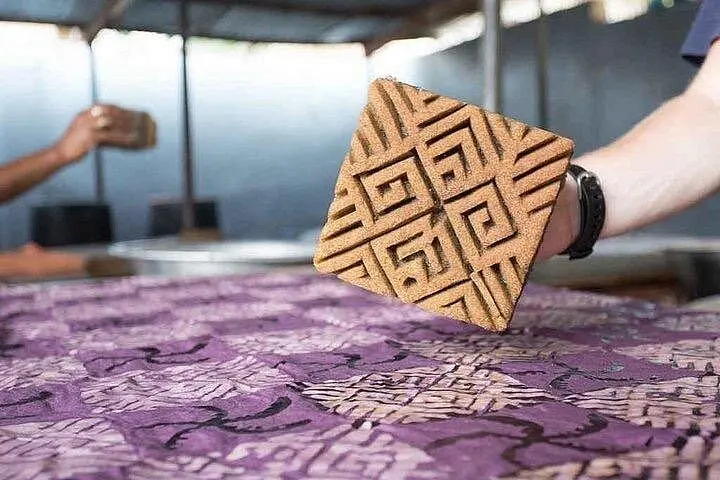
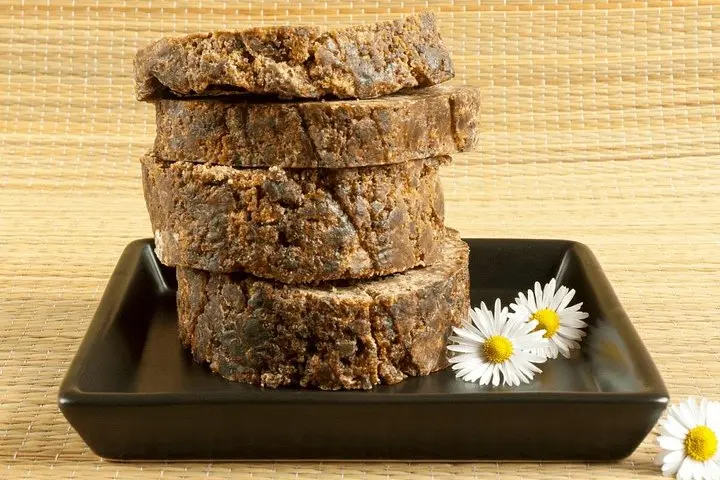
Culturally the week centers on craft: hands-on pottery, batik dyeing, and black-soap workshops led by local artisans who combine ancestral techniques with market-savvy adaptations. Expect small-group instruction, private air-conditioned transport, daily breakfasts, and free afternoons for markets and galleries.
Practical guidance: travel light and layer; mornings are best for forest walks when wildlife is most active and humidity lower. Bring insect repellent, cash for market bargaining, and a durable tote for wet textiles. The program suits travelers of all fitness levels but includes short rainforest hikes on uneven ground and moderate walking in town.
This is a week for making — objects, memories, and a clearer sense of how craft, place, and history meet in southern Ghana.
Consult a travel clinic for updates on routine vaccinations and yellow fever requirements; bring malaria prophylaxis if advised and pack basic first-aid and any personal medications.
Yes — the itinerary is rated easy and includes studio workshops and short walks; notify organizers of mobility needs so accommodations and pacing can be adjusted.
Expect short to moderate walks: a 2 km nature trail at Kakum with uneven surfaces and a canopy walkway suspended about 40 meters above ground; Aburi features garden paths and gentle climbs.
English is widely spoken in Accra and used on the tour; local artisans may speak Akan dialects—guides often help with translation and cultural context.
Landtours LLC operates guided outdoor trips and adventures with an emphasis on safety, stewardship, and memorable experiences.

Morning light spills across Accra as a private van winds away from the coast and into neighborhoods where artisans still work by hand. Over seven days travelers move between studio benches and rainforest boardwalks — shaping clay, laying wax, and learning the chemistry of black soap with local makers who expect mud on your hands and questions on your lips.
Morning light spills across Accra as a private van winds away from the coast and into neighborhoods where artisans still work by hand. Over seven days travelers move between studio benches and rainforest boardwalks — shaping clay, laying wax, and learning the chemistry of black soap with local makers who expect mud on your hands and questions on your lips.
This itinerary threads modern Accra with Ghana’s coastal history. Visitors encounter Kwame Nkrumah Memorial Park and the layered story of Cape Coast Castle, built in the 1600s and a sobering site of the trans-Atlantic slave trade. Geologically the route crosses coastal plains into the humid canopy of Kakum National Park, where a 40-meter-high suspension walkway offers a literal new perspective on an old forest. Aburi Botanical Gardens, founded in 1890, provides a botanical counterpoint — palms and experimental plantings that reflect colonial-era horticultural exchange.
Culturally the week centers on craft: hands-on pottery, batik dyeing, and black-soap workshops led by local artisans who combine ancestral techniques with market-savvy adaptations. Expect small-group instruction, private air-conditioned transport, daily breakfasts, and free afternoons for markets and galleries.
Practical guidance: travel light and layer; mornings are best for forest walks when wildlife is most active and humidity lower. Bring insect repellent, cash for market bargaining, and a durable tote for wet textiles. The program suits travelers of all fitness levels but includes short rainforest hikes on uneven ground and moderate walking in town.
This is a week for making — objects, memories, and a clearer sense of how craft, place, and history meet in southern Ghana.