THE ADVENTURE COLLECTIVE® · Independent discovery and booking for outdoor travel

A seven-day loop through Azerbaijan that pairs Baku’s UNESCO Old City with mountain cable cars, cascading waterfalls, Gobustan’s petroglyphs and the perpetual flames of Yanar Dag. Expect long scenic drives, brief hikes, and immersive cultural stops.
A seven-day loop through Azerbaijan that pairs Baku’s UNESCO Old City with mountain cable cars, cascading waterfalls, Gobustan’s petroglyphs and the perpetual flames of Yanar Dag. Expect long scenic drives, brief hikes, and immersive cultural stops.
The minivan hums away from Heydar Aliyev International, and the city glass recedes into rolling hills. By the time the Caspian is a pale ribbon behind them, the road has climbed into pine-scented passes — Gabala’s mountains breathe cool air that seems to push the traveler forward. On this seven-day circuit, the itinerary alternates between long drives and sudden swells of landscape: cable cars that lift you above birch and fir, waterfalls that demand a short climb to reveal their full cascade, and stuttering plateaus where ancient humans left themselves on stone.
Verified experiences and guided adventures in the surrounding area.
Operated by VLA_tourism · Baku, Baku
The minivan hums away from Heydar Aliyev International, and the city glass recedes into rolling hills. By the time the Caspian is a pale ribbon behind them, the road has climbed into pine-scented passes — Gabala’s mountains breathe cool air that seems to push the traveler forward. On this seven-day circuit, the itinerary alternates between long drives and sudden swells of landscape: cable cars that lift you above birch and fir, waterfalls that demand a short climb to reveal their full cascade, and stuttering plateaus where ancient humans left themselves on stone.
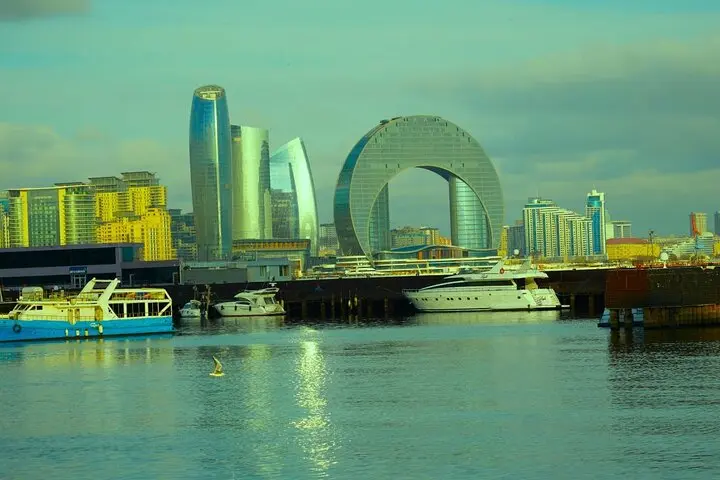
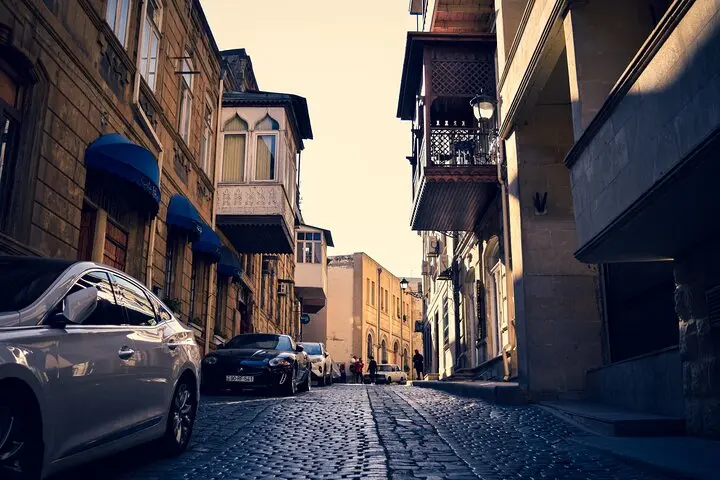
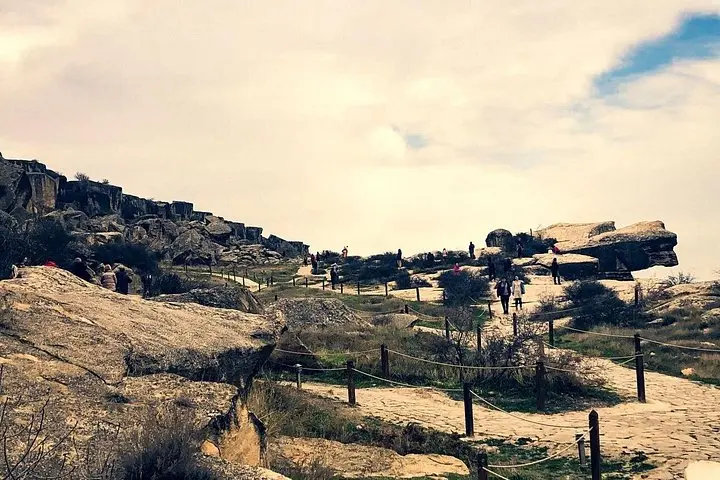
Azerbaijan is a crossroads of histories. Baku’s old quarter preserves 12th-century walls and Shirvanshah architecture; the Absheron peninsula still leaks natural gas that has burned for centuries on Yanar Dag. Gobustan’s petroglyphs are a forensic record of prehistoric life, while the mud volcanoes are active pages in a living geology—bubbling, changing, and fragile. In the north, the Caucasus foothills around Guba and Gabala hold forested gorges, Soviet-era ski lifts reborn as summer cable cars, and a mosaic of mountain villages where tea and walnuts are a daily ritual.
Culturally the trip moves at human pace: tea stops in roadside teahouses, Azerbaijani dishes served family-style, and local guides who fold oil-industry anecdotes into folk stories. Nature here acts with intention — a waterfall dares you to climb its wooden steps, a cable car insists you look back at the valley you left behind.
Practicalities matter. Expect long driving days: Baku to Gabala is roughly five hours without stops; Gabala to Guba is another long, scenic transfer. Most days run eight to ten hours including sightseeing. Accommodations vary from mountain inns to city hotels; pack for both warm daytime sightseeing and cool alpine evenings. Trails to viewpoints require sturdy shoes and a short burst of fitness — some wooden stairs and uneven stone paths are standard. Weather shifts quickly in the highlands, so layers and a lightweight rain shell are useful year-round.
Timing your photos around soft morning light at Nohur Lake and sunset at Yanar Dag yields the richest color. Bring local currency for small purchases; cards work in Baku but remote spots prefer cash. The tour is private and guided, with airport transfers included, making logistics simple — but be ready to swap a day of open road for spontaneous stops when a landscape or local market beckons.
This itinerary is equal parts geology, culture and accessible adventure: a rhythm of motion and pause that lets you see Azerbaijan’s contrasts without rushing them. Come prepared, keep your camera charged, and let the land set the itinerary’s tempo.
Yes — roundtrip transfers from Heydar Aliyev International Airport to Baku accommodations and the group’s initial transfer to Gabala are included.
Most days run 8–10 hours of activity and driving, except arrival and departure days which are shorter.
A bottle of water per person per day and guide services are included; meals are generally not included so you can choose local restaurants and specialties.
That depends on your nationality; many countries can obtain an e-visa for Azerbaijan — check the official government portal before travel.
The tour is family-friendly and infant seats are available, but expect long drives and some short hikes that may be tiring for very young children.
This is a private tour option and can often be tailored; discuss special requests, pickup points, or pacing with the operator when booking.
VLA_tourism operates guided outdoor trips and adventures with an emphasis on safety, stewardship, and memorable experiences.
The minivan hums away from Heydar Aliyev International, and the city glass recedes into rolling hills. By the time the Caspian is a pale ribbon behind them, the road has climbed into pine-scented passes — Gabala’s mountains breathe cool air that seems to push the traveler forward. On this seven-day circuit, the itinerary alternates between long drives and sudden swells of landscape: cable cars that lift you above birch and fir, waterfalls that demand a short climb to reveal their full cascade, and stuttering plateaus where ancient humans left themselves on stone.
The minivan hums away from Heydar Aliyev International, and the city glass recedes into rolling hills. By the time the Caspian is a pale ribbon behind them, the road has climbed into pine-scented passes — Gabala’s mountains breathe cool air that seems to push the traveler forward. On this seven-day circuit, the itinerary alternates between long drives and sudden swells of landscape: cable cars that lift you above birch and fir, waterfalls that demand a short climb to reveal their full cascade, and stuttering plateaus where ancient humans left themselves on stone.
Azerbaijan is a crossroads of histories. Baku’s old quarter preserves 12th-century walls and Shirvanshah architecture; the Absheron peninsula still leaks natural gas that has burned for centuries on Yanar Dag. Gobustan’s petroglyphs are a forensic record of prehistoric life, while the mud volcanoes are active pages in a living geology—bubbling, changing, and fragile. In the north, the Caucasus foothills around Guba and Gabala hold forested gorges, Soviet-era ski lifts reborn as summer cable cars, and a mosaic of mountain villages where tea and walnuts are a daily ritual.
Culturally the trip moves at human pace: tea stops in roadside teahouses, Azerbaijani dishes served family-style, and local guides who fold oil-industry anecdotes into folk stories. Nature here acts with intention — a waterfall dares you to climb its wooden steps, a cable car insists you look back at the valley you left behind.
Practicalities matter. Expect long driving days: Baku to Gabala is roughly five hours without stops; Gabala to Guba is another long, scenic transfer. Most days run eight to ten hours including sightseeing. Accommodations vary from mountain inns to city hotels; pack for both warm daytime sightseeing and cool alpine evenings. Trails to viewpoints require sturdy shoes and a short burst of fitness — some wooden stairs and uneven stone paths are standard. Weather shifts quickly in the highlands, so layers and a lightweight rain shell are useful year-round.
Timing your photos around soft morning light at Nohur Lake and sunset at Yanar Dag yields the richest color. Bring local currency for small purchases; cards work in Baku but remote spots prefer cash. The tour is private and guided, with airport transfers included, making logistics simple — but be ready to swap a day of open road for spontaneous stops when a landscape or local market beckons.
This itinerary is equal parts geology, culture and accessible adventure: a rhythm of motion and pause that lets you see Azerbaijan’s contrasts without rushing them. Come prepared, keep your camera charged, and let the land set the itinerary’s tempo.