THE ADVENTURE COLLECTIVE® · Independent discovery and booking for outdoor travel

Drive Madagascar from the highlands to the western baobabs on a seven-day private roadtrip that pairs coastal villages and lemur reserves with the limestone Tsingy and sunset at Baobab Alley. Expect long drives, rugged tracks, and up-close wildlife moments.
Drive Madagascar from the highlands to the western baobabs on a seven-day private roadtrip that pairs coastal villages and lemur reserves with the limestone Tsingy and sunset at Baobab Alley. Expect long drives, rugged tracks, and up-close wildlife moments.
You step out of Ivato International Airport into a warm, wide light and a guide already waiting with a 4x4. The road unspools from Antananarivo through rice terraces and low hills, carrying you toward west-coast skies and the ancient silhouettes of baobabs. By evening the trees stand like slow-moving guardians; at sunset their trunks burn orange and long shadows reach for the road.
Verified experiences and guided adventures in the surrounding area.
Operated by Travelia Safari · Antananarivo, Analamanga
You step out of Ivato International Airport into a warm, wide light and a guide already waiting with a 4x4. The road unspools from Antananarivo through rice terraces and low hills, carrying you toward west-coast skies and the ancient silhouettes of baobabs. By evening the trees stand like slow-moving guardians; at sunset their trunks burn orange and long shadows reach for the road.
The route threads through colonial Antsirabe—known for its thermal baths—and the coastal town of Morondava, gateway to Baobab Alley. West of Morondava the limestone towers of Tsingy de Bemaraha register the island’s dramatic geology: karst pinnacles carved by rain and time that demand careful scrambling. Culture is woven into every stop—fishing settlements at Betania, artisans in Antsirabe, and the royal hill of Ambohimanga outside Tana, a UNESCO site that anchors Malagasy identity.
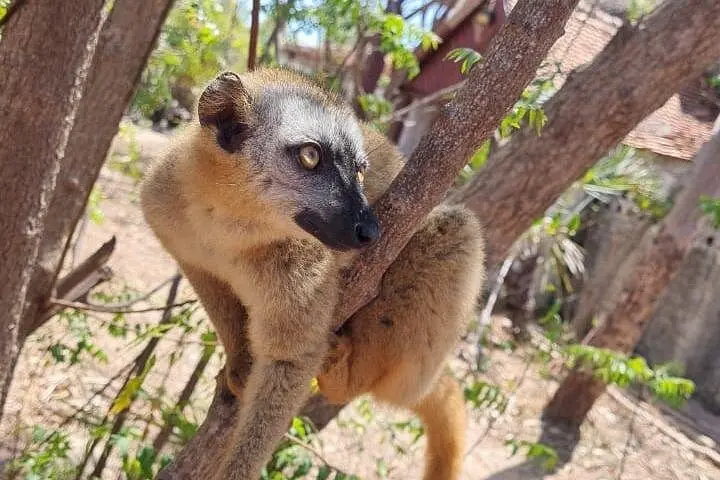
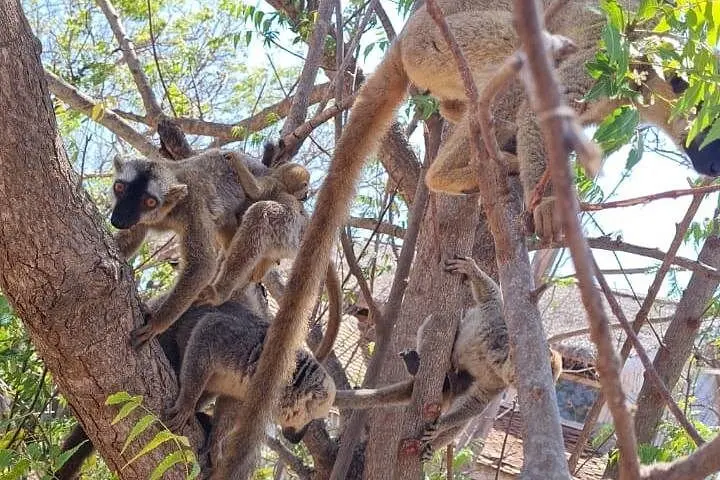
Practicalities matter on this circuit: expect long drives (several 4–8 hour legs), some unpaved sections, and posted park fees. Guided entries to reserves include lemur encounters and a supervised visit to Tsingy where moderate climbing is required. Bring layered clothing, reliable footwear, and enough cash for market purchases and local tips—ATMs are sporadic outside major towns. Travel in the dry season (May–October) minimizes washouts; wet-season travel is possible but slower.
This seven-day roadtrip balances wildlife viewing and cultural stops with active hiking opportunities. It’s an immersive, mobile safari—raw, tactile, and endlessly changeable—best tackled with patience, a sense of rhythm for long drives, and curiosity for island life.
The dry season (May–October) offers more reliable roads and easier access to baobabs and Tsingy; travel during the wet season can be slower and some routes may flood.
Yes—entrance fees for national parks and Tsingy are typically paid on arrival; some reserves also require licensed guides included in the tour price.
Overall moderate: expect several hikes with uneven terrain and some medium-level climbing in Tsingy; long vehicle transfers require stamina for travel days.
Visitors should check current visa rules for Madagascar and ensure routine vaccinations are up to date; consult a travel clinic regarding yellow fever or malaria precautions based on your itinerary.
Travelia Safari operates guided outdoor trips and adventures with an emphasis on safety, stewardship, and memorable experiences.
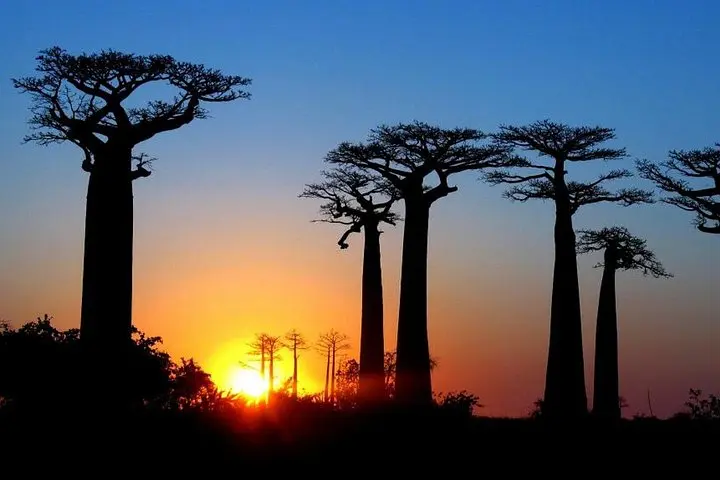
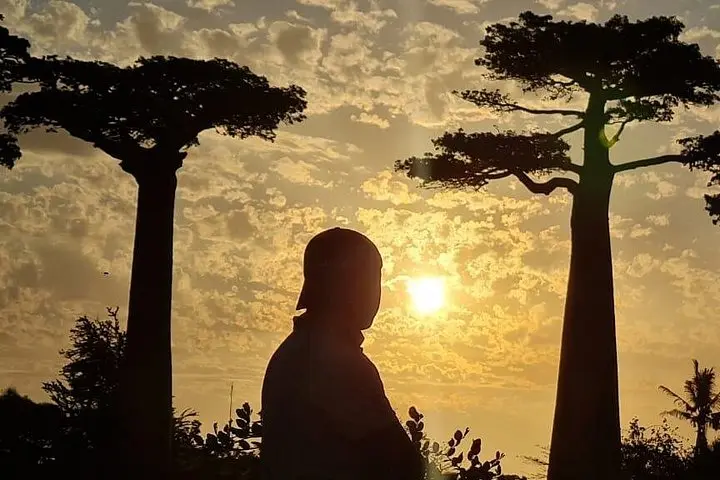
You step out of Ivato International Airport into a warm, wide light and a guide already waiting with a 4x4. The road unspools from Antananarivo through rice terraces and low hills, carrying you toward west-coast skies and the ancient silhouettes of baobabs. By evening the trees stand like slow-moving guardians; at sunset their trunks burn orange and long shadows reach for the road.
You step out of Ivato International Airport into a warm, wide light and a guide already waiting with a 4x4. The road unspools from Antananarivo through rice terraces and low hills, carrying you toward west-coast skies and the ancient silhouettes of baobabs. By evening the trees stand like slow-moving guardians; at sunset their trunks burn orange and long shadows reach for the road.
The route threads through colonial Antsirabe—known for its thermal baths—and the coastal town of Morondava, gateway to Baobab Alley. West of Morondava the limestone towers of Tsingy de Bemaraha register the island’s dramatic geology: karst pinnacles carved by rain and time that demand careful scrambling. Culture is woven into every stop—fishing settlements at Betania, artisans in Antsirabe, and the royal hill of Ambohimanga outside Tana, a UNESCO site that anchors Malagasy identity.
Practicalities matter on this circuit: expect long drives (several 4–8 hour legs), some unpaved sections, and posted park fees. Guided entries to reserves include lemur encounters and a supervised visit to Tsingy where moderate climbing is required. Bring layered clothing, reliable footwear, and enough cash for market purchases and local tips—ATMs are sporadic outside major towns. Travel in the dry season (May–October) minimizes washouts; wet-season travel is possible but slower.
This seven-day roadtrip balances wildlife viewing and cultural stops with active hiking opportunities. It’s an immersive, mobile safari—raw, tactile, and endlessly changeable—best tackled with patience, a sense of rhythm for long drives, and curiosity for island life.