THE ADVENTURE COLLECTIVE® · Independent discovery and booking for outdoor travel

A private seven-day loop from Tokyo through Mt. Fuji, Kyoto, Nara and Osaka that blends fast-paced Shinkansen travel with immersive cultural stops. Expect guided walks, a lake cruise, iconic temples and easy daily distances suitable for most travelers.
A private seven-day loop from Tokyo through Mt. Fuji, Kyoto, Nara and Osaka that blends fast-paced Shinkansen travel with immersive cultural stops. Expect guided walks, a lake cruise, iconic temples and easy daily distances suitable for most travelers.
You step out of Tokyo Shinjuku into a press of neon and quiet temple moss, the city’s constant hum folding around you as the first day of a seven-day loop begins.
Verified experiences and guided adventures in the surrounding area.
Operated by Travel China Guide · Tokyo, Tokyo
You step out of Tokyo Shinjuku into a press of neon and quiet temple moss, the city’s constant hum folding around you as the first day of a seven-day loop begins.
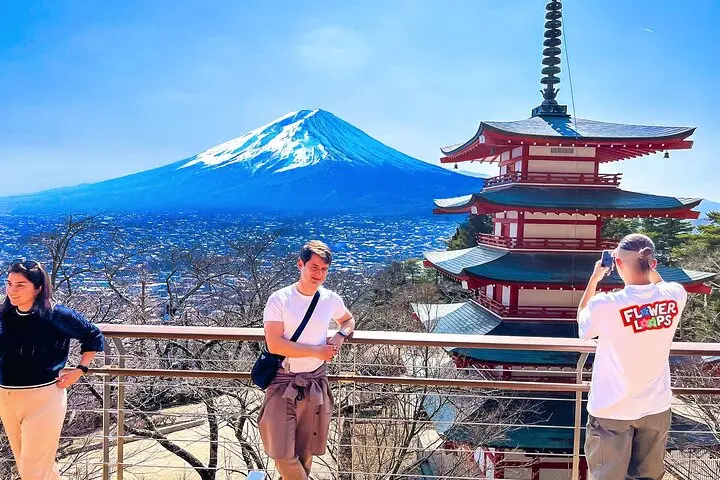
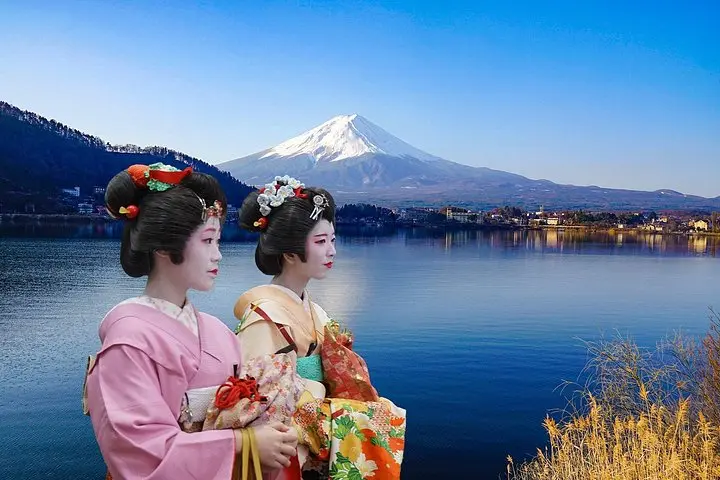
From Meiji Jingu’s shaded cedar approach to the wide reflection of Kinkaku-ji, this private itinerary threads modern metropolis and older Japan with the steady shove of the Shinkansen between them. The geography shifts quickly: Tokyo’s low-rise bays and engineered moats give way to the volcanic shoulders of Mount Fuji seen across Lake Kawaguchi, then to the river valleys and temple terraces of Kyoto and the broad parkland of Nara.
Historically the route crosses eras — Meiji-era reform in Tokyo, Tokugawa power at Nijo Castle, and centuries of Buddhist and Shinto practice at Kiyomizu-dera and Fushimi Inari. Geologically Mount Fuji looms as a young stratovolcano (3,776 m) that frames many classic views but is only admired here from lakes and ropeways.
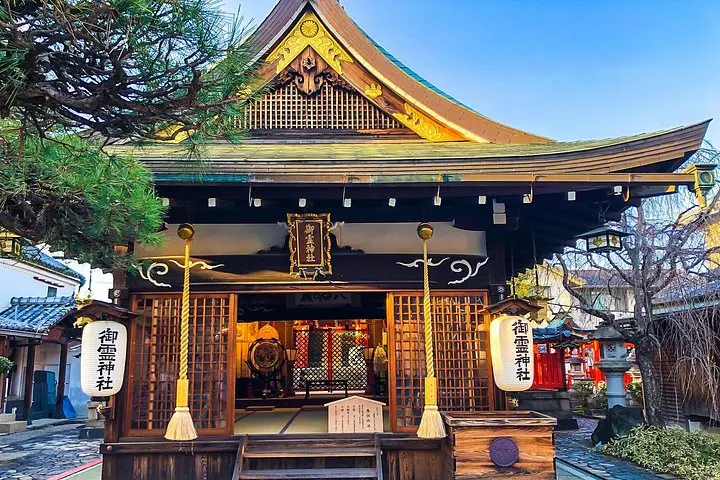
Culturally expect ritual, etiquette and robust street food: temple omikuji fortunes, wood-floored machiya alleys in Gion, and Osaka’s lively Dotonbori. The tour balances walking (urban strolls, a few hundred meters of elevation if you climb the Inari torii path) with seated travel on the Shinkansen and local buses.
Practical guidance: wear broken-in walking shoes for cobbled streets and temple steps, carry a compact rain layer for sudden showers, and bring yen for smaller vendors. Plan mornings for temples to avoid crowds, and let your guide sort train tickets and local transport logistics so you can focus on the scenes and stories.
Not required; the itinerary provides specific tickets or guidance—confirm with the operator whether Shinkansen fare is included or if a JR Pass would be beneficial for your broader plans.
The tour is rated easy but includes steps and uneven surfaces at temples; contact the operator about specific accessibility needs and alternate routing.
Major hotels and restaurants accept cards, but carry cash for markets, small vendors and shrine offerings.
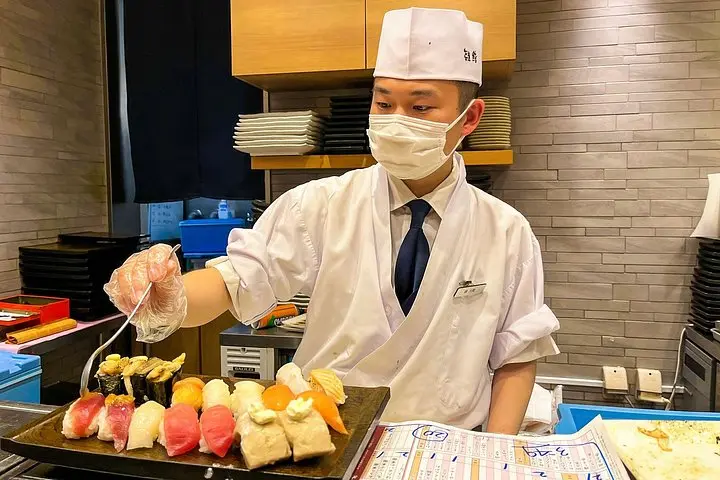
Breakfasts are included on most days; additional meals, snacks and special dining experiences are typically at your expense unless otherwise noted.
Travel China Guide operates guided outdoor trips and adventures with an emphasis on safety, stewardship, and memorable experiences.
You step out of Tokyo Shinjuku into a press of neon and quiet temple moss, the city’s constant hum folding around you as the first day of a seven-day loop begins.
You step out of Tokyo Shinjuku into a press of neon and quiet temple moss, the city’s constant hum folding around you as the first day of a seven-day loop begins.
From Meiji Jingu’s shaded cedar approach to the wide reflection of Kinkaku-ji, this private itinerary threads modern metropolis and older Japan with the steady shove of the Shinkansen between them. The geography shifts quickly: Tokyo’s low-rise bays and engineered moats give way to the volcanic shoulders of Mount Fuji seen across Lake Kawaguchi, then to the river valleys and temple terraces of Kyoto and the broad parkland of Nara.
Historically the route crosses eras — Meiji-era reform in Tokyo, Tokugawa power at Nijo Castle, and centuries of Buddhist and Shinto practice at Kiyomizu-dera and Fushimi Inari. Geologically Mount Fuji looms as a young stratovolcano (3,776 m) that frames many classic views but is only admired here from lakes and ropeways.
Culturally expect ritual, etiquette and robust street food: temple omikuji fortunes, wood-floored machiya alleys in Gion, and Osaka’s lively Dotonbori. The tour balances walking (urban strolls, a few hundred meters of elevation if you climb the Inari torii path) with seated travel on the Shinkansen and local buses.
Practical guidance: wear broken-in walking shoes for cobbled streets and temple steps, carry a compact rain layer for sudden showers, and bring yen for smaller vendors. Plan mornings for temples to avoid crowds, and let your guide sort train tickets and local transport logistics so you can focus on the scenes and stories.