THE ADVENTURE COLLECTIVE® · Independent discovery and booking for outdoor travel

A compact 7-day itinerary that pairs Cairo’s pyramids and museums with a luxury Nile cruise through Aswan and Luxor. Expect guided temple visits, domestic flights, and a mix of city walking and gentle river travel.
A compact 7-day itinerary that pairs Cairo’s pyramids and museums with a luxury Nile cruise through Aswan and Luxor. Expect guided temple visits, domestic flights, and a mix of city walking and gentle river travel.
You step out of Cairo’s airport into a dry, sun-warmed air that seems to pull history toward you — limestone cutters, pharaonic stones, and the slow line of the Nile all waiting. The first full day places you on the Giza Plateau, face-to-face with the Great Pyramid and Sphinx; later you’ll trade city traffic for the gentle motion of a five-star Nile cruise as the river pushes you south past temples carved into the banks.
Verified experiences and guided adventures in the surrounding area.
Operated by Look at Egypt Tours · Cairo, Cairo Governorate
You step out of Cairo’s airport into a dry, sun-warmed air that seems to pull history toward you — limestone cutters, pharaonic stones, and the slow line of the Nile all waiting. The first full day places you on the Giza Plateau, face-to-face with the Great Pyramid and Sphinx; later you’ll trade city traffic for the gentle motion of a five-star Nile cruise as the river pushes you south past temples carved into the banks.
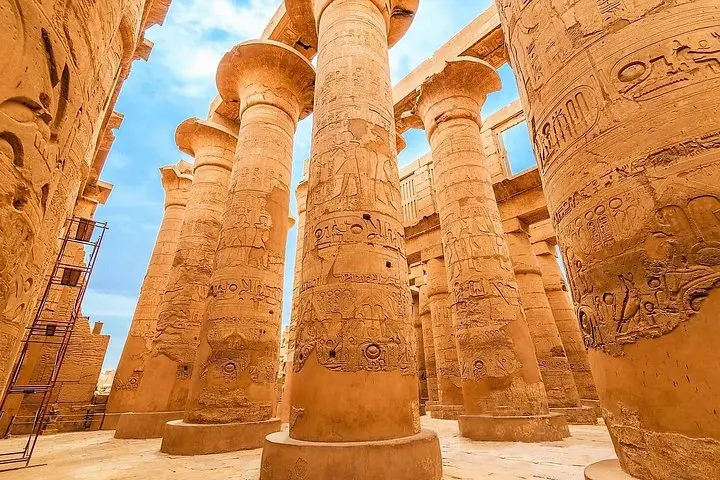
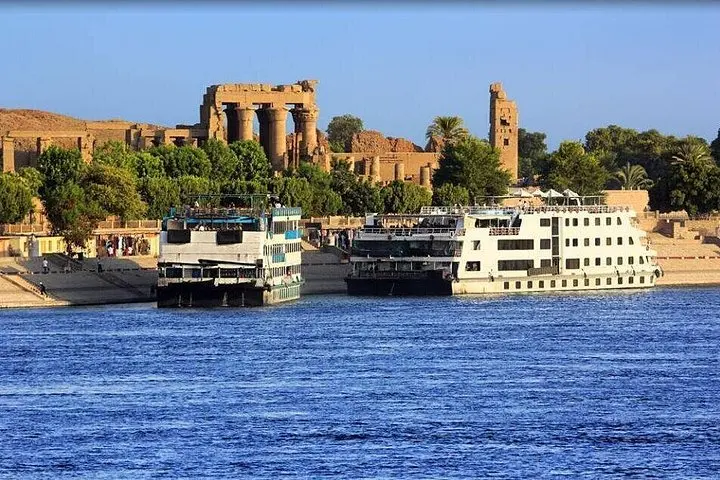
This itinerary threads Egypt’s layered past: Old Kingdom stonework at Giza, New Kingdom tombs in the Valley of the Kings, and Ptolemaic sanctuaries at Kom Ombo and Edfu. Geologically the Nile valley is a narrow ribbon of fertile silt between desert escarpments; many temples sit on compacted sand and bedrock, so expect uneven steps and worn stone underfoot. Culturally, visits cross modern Cairo markets, Coptic churches, and Nubian influences around Aswan — each stop a different chapter in Egypt’s long human story.
Practically, plan for short guided walks (often 1–3 km), some temple stair climbs and sandy courtyards; daily temperatures can swing widely, so layer for hot days and cool nights. Domestic flights between Luxor, Aswan and Cairo save time; most major entry fees and transfers are included in the tour. Bring sun protection, filled water bottles, and comfortable shoes for cobbled streets and temple floors. Start early at major sites to avoid heat and crowds and allow time to absorb both the architecture and the quieter moments alongside the Nile.
Many nationalities require a visa; check Egypt’s official visa policy in advance — some travelers can obtain a visa on arrival or an e-visa online.
Yes — this itinerary includes domestic flights (Cairo–Aswan, Luxor–Cairo) and entry fees for the listed sites as described in the inclusions.
Some elements are wheelchair accessible, but many ancient sites have uneven ground and steps; contact the operator ahead to confirm adaptations for mobility needs.
The Egyptian pound (EGP) is used; ATMs are available in cities. Tipping (backshish) is common for guides, drivers, and cruise staff — budget small notes for daily tips.
Look at Egypt Tours operates guided outdoor trips and adventures with an emphasis on safety, stewardship, and memorable experiences.
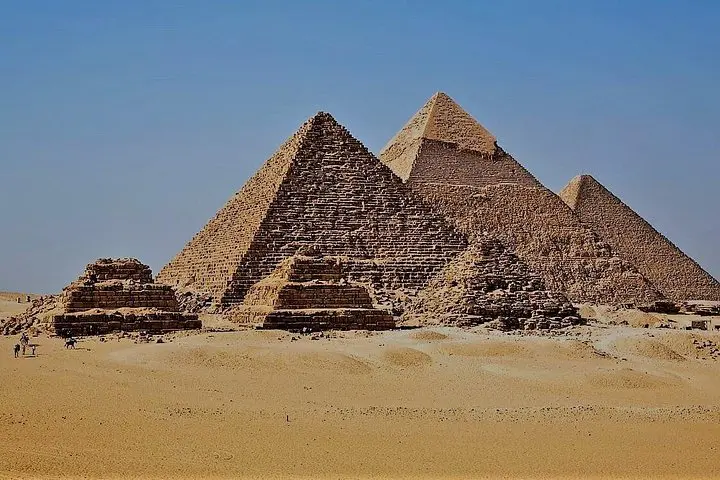
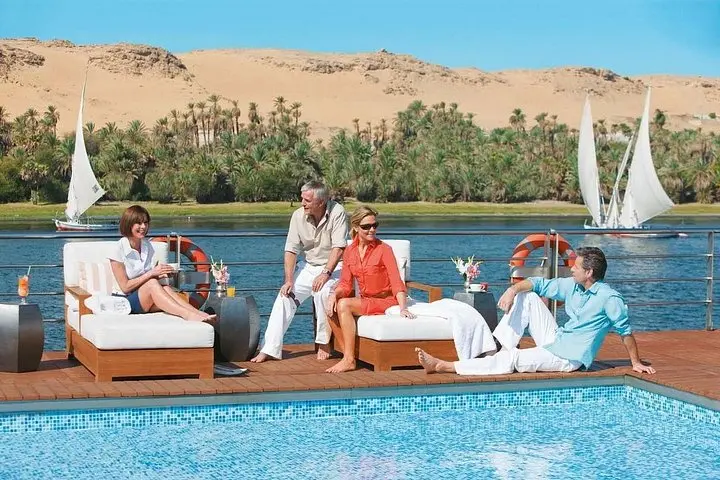
You step out of Cairo’s airport into a dry, sun-warmed air that seems to pull history toward you — limestone cutters, pharaonic stones, and the slow line of the Nile all waiting. The first full day places you on the Giza Plateau, face-to-face with the Great Pyramid and Sphinx; later you’ll trade city traffic for the gentle motion of a five-star Nile cruise as the river pushes you south past temples carved into the banks.
You step out of Cairo’s airport into a dry, sun-warmed air that seems to pull history toward you — limestone cutters, pharaonic stones, and the slow line of the Nile all waiting. The first full day places you on the Giza Plateau, face-to-face with the Great Pyramid and Sphinx; later you’ll trade city traffic for the gentle motion of a five-star Nile cruise as the river pushes you south past temples carved into the banks.
This itinerary threads Egypt’s layered past: Old Kingdom stonework at Giza, New Kingdom tombs in the Valley of the Kings, and Ptolemaic sanctuaries at Kom Ombo and Edfu. Geologically the Nile valley is a narrow ribbon of fertile silt between desert escarpments; many temples sit on compacted sand and bedrock, so expect uneven steps and worn stone underfoot. Culturally, visits cross modern Cairo markets, Coptic churches, and Nubian influences around Aswan — each stop a different chapter in Egypt’s long human story.
Practically, plan for short guided walks (often 1–3 km), some temple stair climbs and sandy courtyards; daily temperatures can swing widely, so layer for hot days and cool nights. Domestic flights between Luxor, Aswan and Cairo save time; most major entry fees and transfers are included in the tour. Bring sun protection, filled water bottles, and comfortable shoes for cobbled streets and temple floors. Start early at major sites to avoid heat and crowds and allow time to absorb both the architecture and the quieter moments alongside the Nile.