THE ADVENTURE COLLECTIVE® · Independent discovery and booking for outdoor travel

Seven days of game drives from Mombasa take you through private sanctuaries and two of Kenya’s classic national parks. Expect close-up elephant encounters, Amboseli’s Kilimanjaro views and the water-rich plains of Tsavo.
Seven days of game drives from Mombasa take you through private sanctuaries and two of Kenya’s classic national parks. Expect close-up elephant encounters, Amboseli’s Kilimanjaro views and the water-rich plains of Tsavo.
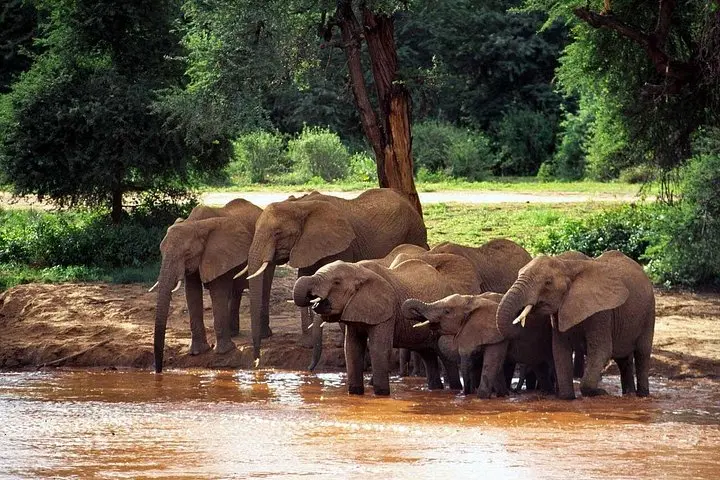
The convoy eases out of Mombasa before dawn, dust rising as the coast gives way to scrub and low hills. Early light catches elephant silhouettes on the horizon at Ngutuni; later in the week Mount Kilimanjaro looms like a slow-moving presence behind Amboseli’s plains. Game drives are the day’s rhythm—morning and afternoon—while lodges punctuate the long, wildlife-rich drives between sanctuaries.
Verified experiences and guided adventures in the surrounding area.
Operated by Bigzone Safaris Africa · Mombasa, Mombasa County
The convoy eases out of Mombasa before dawn, dust rising as the coast gives way to scrub and low hills. Early light catches elephant silhouettes on the horizon at Ngutuni; later in the week Mount Kilimanjaro looms like a slow-moving presence behind Amboseli’s plains. Game drives are the day’s rhythm—morning and afternoon—while lodges punctuate the long, wildlife-rich drives between sanctuaries.
This route threads private sanctuaries and national parks that shaped Kenya’s conservation story: Ngutuni’s private sanctuary model, the isolated forest pockets of the Taita Hills and Amboseli’s ankle-deep marshes fed by ancient drainage basins. Geology shifts from volcanic highs near Kilimanjaro to the broad, red-soiled savannas of Tsavo where rivers and springs—like Mzima—sustain hippos and crocodiles.
Culturally, the road passes coastal Swahili towns and Taita communities; local guides interpret wildlife behavior and the landscape’s seasonal moods. Expect open-sided 4x4s, patient game drives, and early starts to catch predators at their most active.
Practical guidance: pack neutral clothing, sun protection and a warm layer for mornings; carry binoculars and a camera with a telephoto lens. Drive times can be several hours between parks—use them to birdwatch or rest—and malaria precautions are commonly recommended in this region. Follow guide instructions on distances to animals and vehicle etiquette.
By the last dawn, as the route turns toward Mombasa, the parks’ scale is clear—each park is a different actor on the same stage, inviting steady observation rather than a checklist sprint.
Expect several hours of driving on most transfer days; distances from Mombasa to Ngutuni are about 2–3 hours, and park-to-park transfers can be longer—bring snacks and be prepared for bumpy roads.
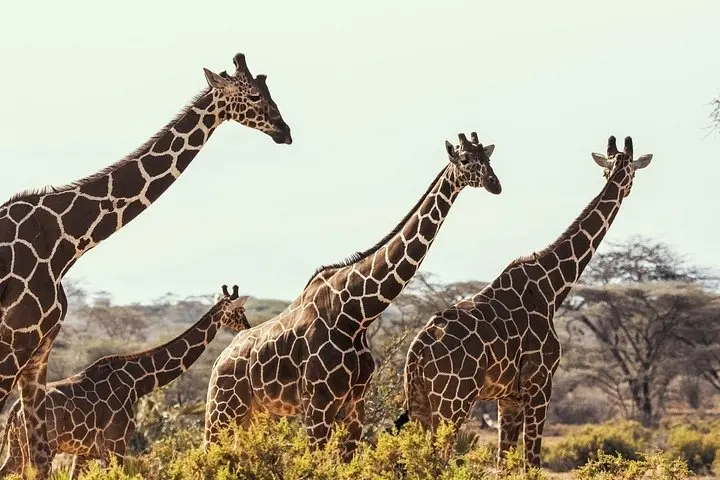
The itinerary targets areas known for Big Five species, but wildlife sightings are never guaranteed; parks like Tsavo and Amboseli have resident populations of elephants, buffalo, lions and leopards, with rhino more elusive.
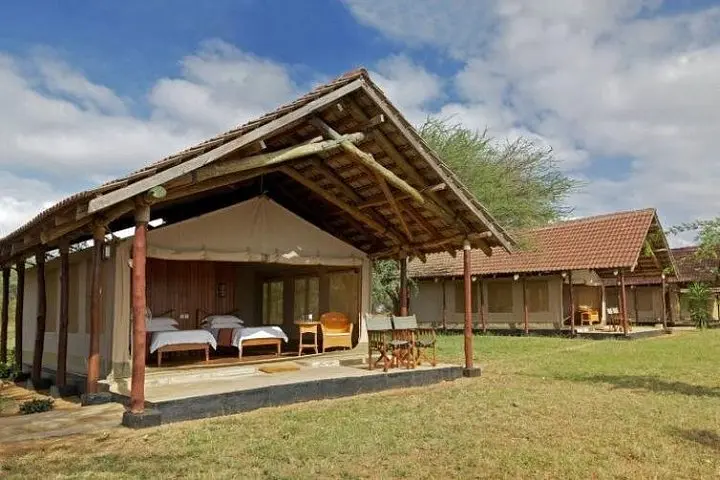
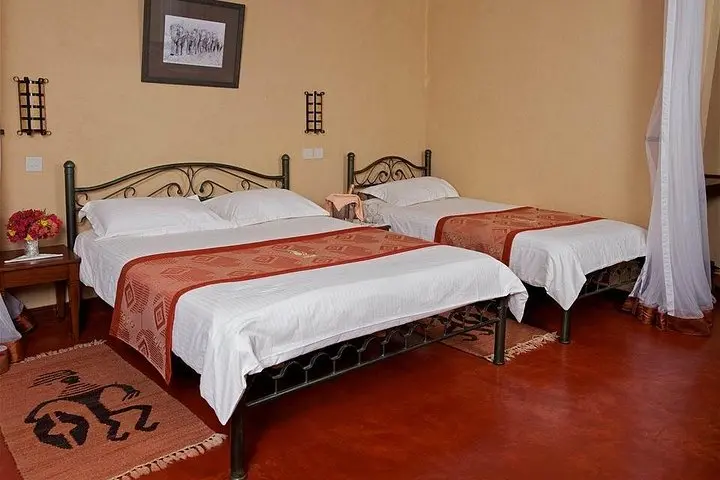
This tour uses established safari lodges and camps that provide full board, private rooms and hot meals—comfort levels vary by property but are generally good for travelers seeking safari accommodations.
The safari is family-friendly but not recommended for infants on laps for long transfers; older travelers should be able to manage vehicle entry/exit and tolerate longer drives—check specific lodge policies.
Bigzone Safaris Africa operates guided outdoor trips and adventures with an emphasis on safety, stewardship, and memorable experiences.
The convoy eases out of Mombasa before dawn, dust rising as the coast gives way to scrub and low hills. Early light catches elephant silhouettes on the horizon at Ngutuni; later in the week Mount Kilimanjaro looms like a slow-moving presence behind Amboseli’s plains. Game drives are the day’s rhythm—morning and afternoon—while lodges punctuate the long, wildlife-rich drives between sanctuaries.
The convoy eases out of Mombasa before dawn, dust rising as the coast gives way to scrub and low hills. Early light catches elephant silhouettes on the horizon at Ngutuni; later in the week Mount Kilimanjaro looms like a slow-moving presence behind Amboseli’s plains. Game drives are the day’s rhythm—morning and afternoon—while lodges punctuate the long, wildlife-rich drives between sanctuaries.
This route threads private sanctuaries and national parks that shaped Kenya’s conservation story: Ngutuni’s private sanctuary model, the isolated forest pockets of the Taita Hills and Amboseli’s ankle-deep marshes fed by ancient drainage basins. Geology shifts from volcanic highs near Kilimanjaro to the broad, red-soiled savannas of Tsavo where rivers and springs—like Mzima—sustain hippos and crocodiles.
Culturally, the road passes coastal Swahili towns and Taita communities; local guides interpret wildlife behavior and the landscape’s seasonal moods. Expect open-sided 4x4s, patient game drives, and early starts to catch predators at their most active.
Practical guidance: pack neutral clothing, sun protection and a warm layer for mornings; carry binoculars and a camera with a telephoto lens. Drive times can be several hours between parks—use them to birdwatch or rest—and malaria precautions are commonly recommended in this region. Follow guide instructions on distances to animals and vehicle etiquette.
By the last dawn, as the route turns toward Mombasa, the parks’ scale is clear—each park is a different actor on the same stage, inviting steady observation rather than a checklist sprint.