THE ADVENTURE COLLECTIVE® · Independent discovery and booking for outdoor travel

A compact 7-day loop from Cairo to Luxor that combines a three-night Nile cruise, Abu Simbel sunrise, Giza camel ride and guided visits to Egypt’s top temples — ideal for travelers who want major sites with streamlined logistics.
A compact 7-day loop from Cairo to Luxor that combines a three-night Nile cruise, Abu Simbel sunrise, Giza camel ride and guided visits to Egypt’s top temples — ideal for travelers who want major sites with streamlined logistics.
Morning light splits across the Giza plateau as a camel’s silhouette moves against the Great Pyramid — the first scene on a week that threads Cairo’s frenetic streets with the slow sweep of the Nile.
Verified experiences and guided adventures in the surrounding area.
Operated by Nile Prince Travel · Cairo, Cairo Governorate
Morning light splits across the Giza plateau as a camel’s silhouette moves against the Great Pyramid — the first scene on a week that threads Cairo’s frenetic streets with the slow sweep of the Nile.
Over seven days travelers move from Cairo’s museum rooms and Khan el-Khalili’s alleys to the engineered shadow of the Aswan High Dam, then board a three-night Nile cruise that slips past Nubian villages and reed-lined shorelines. The itinerary culminates in Luxor’s east and west banks — Karnak’s forest of columns, the Valley of the Kings’ carved tombs — with an early sunrise transfer to Abu Simbel, a colossal rescue story when the temple was relocated to save it from Lake Nasser.
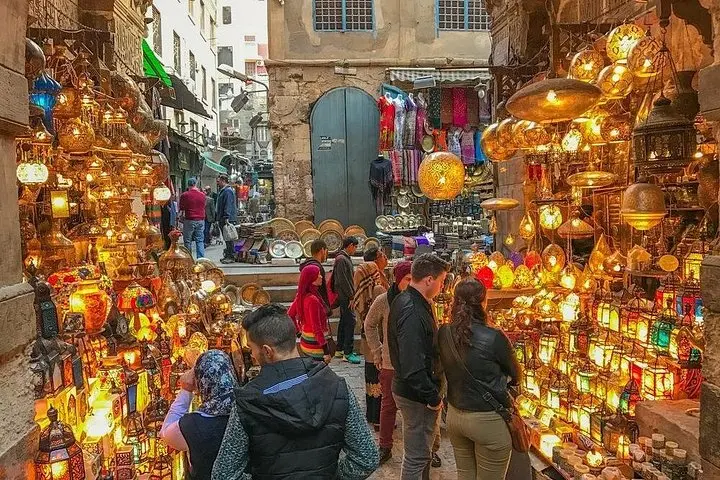
Geology and history are visible everywhere: limestone quarries and sandstone cliffs carved into royal necropolises; the Nile itself shaping settlement and agriculture for millennia. Cultural layers — Pharaonic, Greco-Roman, Coptic and modern Egyptian — are tangible in museum cases, temple reliefs and market stalls.
Practicalities matter on a packed route: domestic flights connect Cairo–Aswan–Luxor, hotel nights in Cairo bookend a three-night live-aboard Nile cruise, and guided transfers keep logistics tight. Expect walking on uneven temple steps, early starts for cooler light, and hot, dry days where sun protection and steady hydration are essential.
Bring comfortable footwear for cobbled bazaars and temple ramps, carry local currency for small purchases and tipping, and plan camera batteries for long days. With a mix of history, river travel and desert edges, this tour suits travelers who want a focused, logistics-light introduction to Egypt’s great sites.
Yes — the itinerary includes domestic flights between Cairo–Aswan and Luxor–Cairo as part of the package.
The tour includes multiple meals: breakfasts across most days, approximately five lunches and three dinners as outlined in the itinerary; specifics are provided by the operator.
The listing indicates wheelchair-accessible transport and surfaces for parts of the trip, but many temple sites and the Valley of the Kings have uneven terrain and steps — check accessibility for specific site access.
Most visitors require an Egyptian entry visa and should carry some Egyptian pounds for tips, market purchases and optional extras; major hotels accept cards but cash is useful for daily expenses.
Nile Prince Travel operates guided outdoor trips and adventures with an emphasis on safety, stewardship, and memorable experiences.
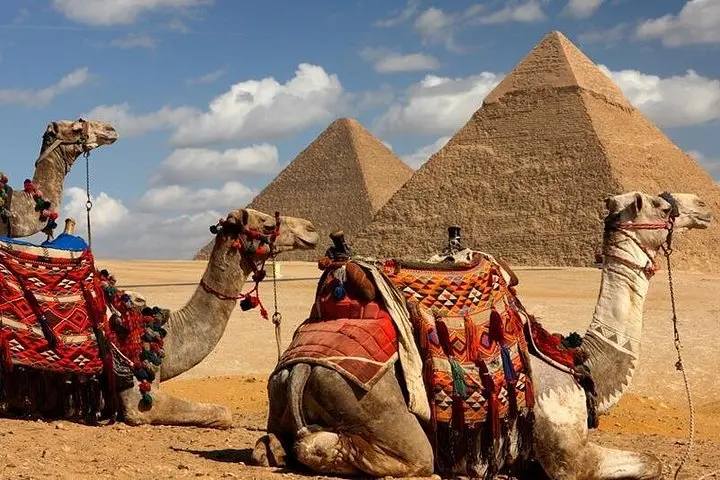
Morning light splits across the Giza plateau as a camel’s silhouette moves against the Great Pyramid — the first scene on a week that threads Cairo’s frenetic streets with the slow sweep of the Nile.
Morning light splits across the Giza plateau as a camel’s silhouette moves against the Great Pyramid — the first scene on a week that threads Cairo’s frenetic streets with the slow sweep of the Nile.
Over seven days travelers move from Cairo’s museum rooms and Khan el-Khalili’s alleys to the engineered shadow of the Aswan High Dam, then board a three-night Nile cruise that slips past Nubian villages and reed-lined shorelines. The itinerary culminates in Luxor’s east and west banks — Karnak’s forest of columns, the Valley of the Kings’ carved tombs — with an early sunrise transfer to Abu Simbel, a colossal rescue story when the temple was relocated to save it from Lake Nasser.
Geology and history are visible everywhere: limestone quarries and sandstone cliffs carved into royal necropolises; the Nile itself shaping settlement and agriculture for millennia. Cultural layers — Pharaonic, Greco-Roman, Coptic and modern Egyptian — are tangible in museum cases, temple reliefs and market stalls.
Practicalities matter on a packed route: domestic flights connect Cairo–Aswan–Luxor, hotel nights in Cairo bookend a three-night live-aboard Nile cruise, and guided transfers keep logistics tight. Expect walking on uneven temple steps, early starts for cooler light, and hot, dry days where sun protection and steady hydration are essential.
Bring comfortable footwear for cobbled bazaars and temple ramps, carry local currency for small purchases and tipping, and plan camera batteries for long days. With a mix of history, river travel and desert edges, this tour suits travelers who want a focused, logistics-light introduction to Egypt’s great sites.