THE ADVENTURE COLLECTIVE® · Independent discovery and booking for outdoor travel

A compact seven-day loop from Cairo’s iconic pyramids to Luxor’s painted tombs and the coral reefs of Hurghada. This tour pairs guided archaeological visits with a Red Sea snorkeling day, ideal for travelers who want history, river landscapes, and marine time in one trip.
A compact seven-day loop from Cairo’s iconic pyramids to Luxor’s painted tombs and the coral reefs of Hurghada. This tour pairs guided archaeological visits with a Red Sea snorkeling day, ideal for travelers who want history, river landscapes, and marine time in one trip.
Arrival in Cairo opens on a bustle of horn-and-horned cattle markets giving way to wide boulevards and the long shadow of the Giza Plateau. Visitors step from the airport into warm air that carries dust and the faint scent of grilled street food; the pyramids rise ahead like stone chapters of a long story.
Verified experiences and guided adventures in the surrounding area.
Operated by Egypt Tours Portal · Cairo, Cairo Governorate
Arrival in Cairo opens on a bustle of horn-and-horned cattle markets giving way to wide boulevards and the long shadow of the Giza Plateau. Visitors step from the airport into warm air that carries dust and the faint scent of grilled street food; the pyramids rise ahead like stone chapters of a long story.
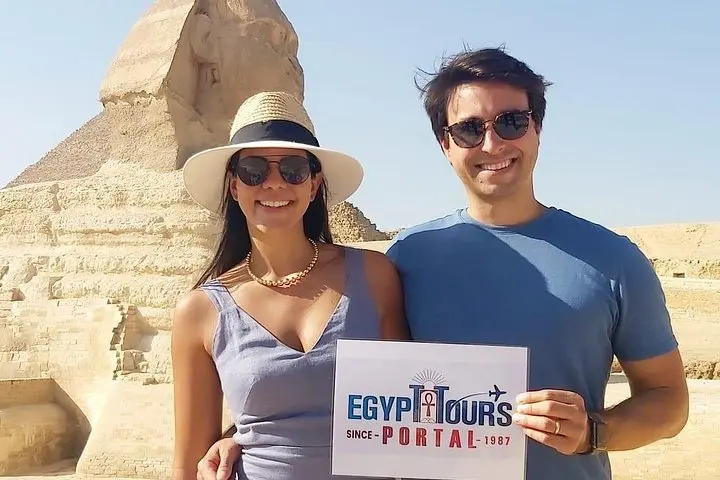
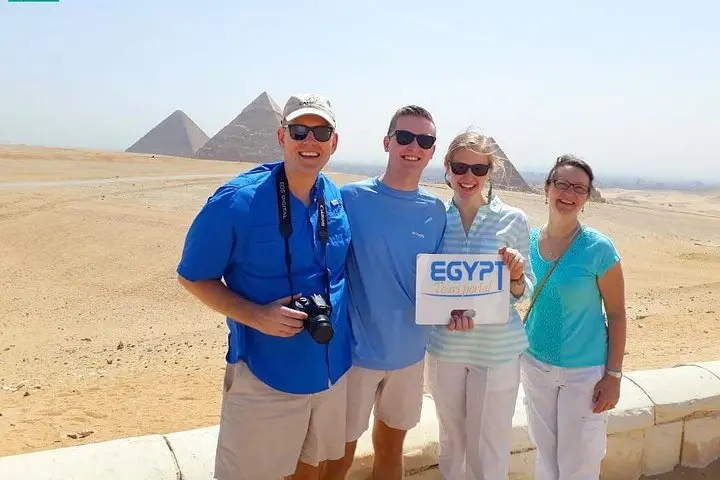
This seven-day circuit moves from urban archaeology to riverine history and finally to the coral gardens of the Red Sea. In Cairo the itinerary covers the Great Pyramid of Khufu and the Great Sphinx—monuments of the Fourth Dynasty, products of limestone bedrock and human engineering around 2560 BCE. Luxor shifts the focus: the Valley of the Kings cuts into the West Bank’s desert, preserving painted tombs and mortuary temples such as Hatshepsut’s cut into cliffs. The Nile, ever-present, choreographs settlement, agriculture and the ferrying of antiquities downriver. Hurghada offers a sharp coastal contrast—wind over shallow reefs, clear water that dares you to snorkel among parrotfish and stony coral.
Practical guidance is straightforward: expect a mix of short walks across exposed sites and boat time on the Red Sea. Start outdoor touring early to avoid midday heat, carry sun protection, and bring comfortable walking shoes for dusty plateaus and temple steps. Keep passport and printed tickets handy for site entry, and budget small local currency for tips and incidental purchases. The trip blends cultural immersion with active time outdoors—plan for hydration, layered clothing for cool early mornings, and a daypack for cameras and essentials.
Many nationalities require a visa—check Egypt’s official entry requirements and obtain one in advance or on arrival where available.
Admission fees to the stated archaeological sites are indicated as included in this tour package.
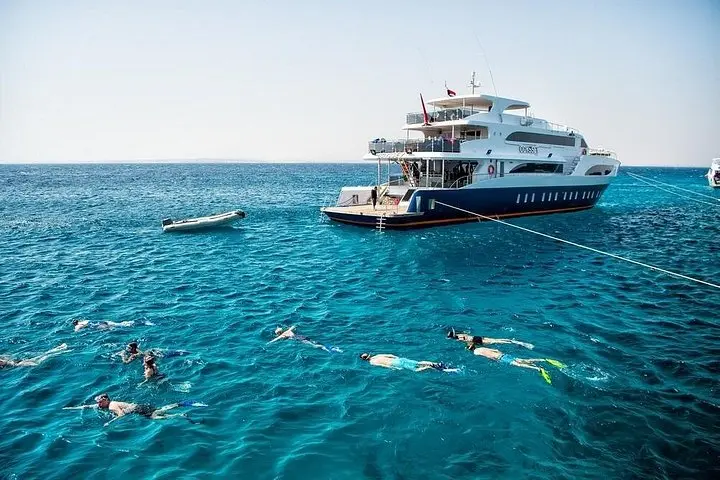
Yes; the snorkeling excursion is typically a guided, beginner-friendly boat trip with calm shallow reefs and staff support.
Tipping is customary for guides, drivers, and service staff—budget a small amount per day and tip in local currency.
Egypt Tours Portal operates guided outdoor trips and adventures with an emphasis on safety, stewardship, and memorable experiences.
Arrival in Cairo opens on a bustle of horn-and-horned cattle markets giving way to wide boulevards and the long shadow of the Giza Plateau. Visitors step from the airport into warm air that carries dust and the faint scent of grilled street food; the pyramids rise ahead like stone chapters of a long story.
Arrival in Cairo opens on a bustle of horn-and-horned cattle markets giving way to wide boulevards and the long shadow of the Giza Plateau. Visitors step from the airport into warm air that carries dust and the faint scent of grilled street food; the pyramids rise ahead like stone chapters of a long story.
This seven-day circuit moves from urban archaeology to riverine history and finally to the coral gardens of the Red Sea. In Cairo the itinerary covers the Great Pyramid of Khufu and the Great Sphinx—monuments of the Fourth Dynasty, products of limestone bedrock and human engineering around 2560 BCE. Luxor shifts the focus: the Valley of the Kings cuts into the West Bank’s desert, preserving painted tombs and mortuary temples such as Hatshepsut’s cut into cliffs. The Nile, ever-present, choreographs settlement, agriculture and the ferrying of antiquities downriver. Hurghada offers a sharp coastal contrast—wind over shallow reefs, clear water that dares you to snorkel among parrotfish and stony coral.
Practical guidance is straightforward: expect a mix of short walks across exposed sites and boat time on the Red Sea. Start outdoor touring early to avoid midday heat, carry sun protection, and bring comfortable walking shoes for dusty plateaus and temple steps. Keep passport and printed tickets handy for site entry, and budget small local currency for tips and incidental purchases. The trip blends cultural immersion with active time outdoors—plan for hydration, layered clothing for cool early mornings, and a daypack for cameras and essentials.