THE ADVENTURE COLLECTIVE® · Independent discovery and booking for outdoor travel

A private seven-day loop from Casablanca to Merzouga tracing imperial cities, Atlas passes and the orange dunes of the eastern Sahara. Expect long drives, a camel ride to a private Berber tent and a mix of riads and small inns.
A private seven-day loop from Casablanca to Merzouga tracing imperial cities, Atlas passes and the orange dunes of the eastern Sahara. Expect long drives, a camel ride to a private Berber tent and a mix of riads and small inns.
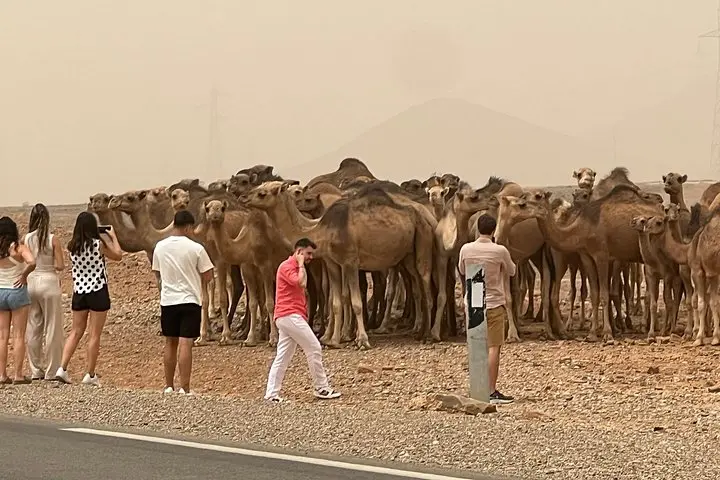
The caravan arrives at dusk: a low sun gilds the orange dunes outside Merzouga as camels file toward a camp where wind-sculpted ridges seem to breathe. Travelers dismount to a wide, unbroken horizon; the desert draws a slow, patient line between sky and sand.
Verified experiences and guided adventures in the surrounding area.
Operated by Excu Marrakech · Casablanca, Casablanca-Settat
The caravan arrives at dusk: a low sun gilds the orange dunes outside Merzouga as camels file toward a camp where wind-sculpted ridges seem to breathe. Travelers dismount to a wide, unbroken horizon; the desert draws a slow, patient line between sky and sand.
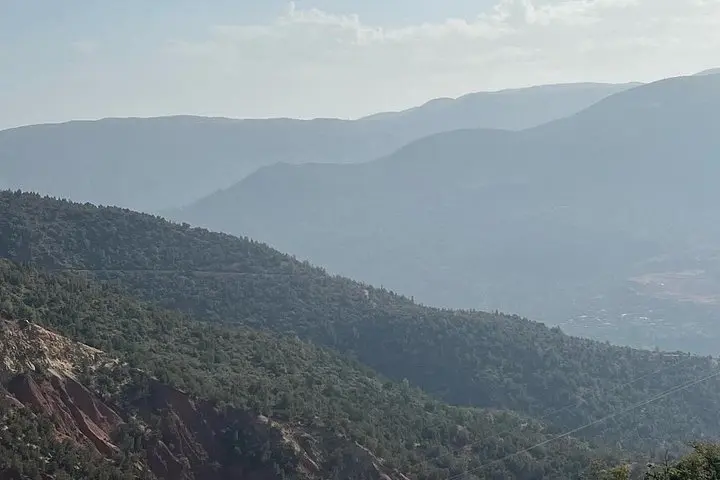
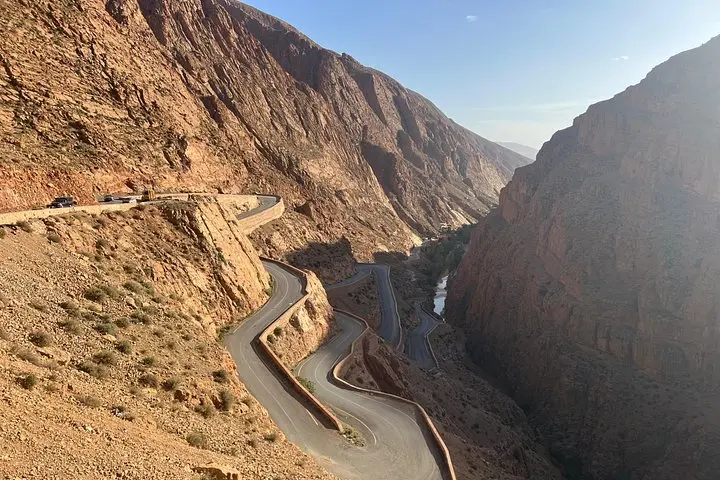
This seven-day private loop links Casablanca’s Atlantic façade with Morocco’s high plateaus, Roman ruins and the erg of the eastern Sahara. Along the way you’ll pass Rabat’s Hassan Tower, the bluewashed lanes of Chefchaouen, the mosaics of Volubilis and the cedar groves of the Middle Atlas. Geology shifts visibly—coastal plain to folded High Atlas, then the alluvial plains and palm-lined Ziz Valley before the sweeping dunes of Erg Chebbi.
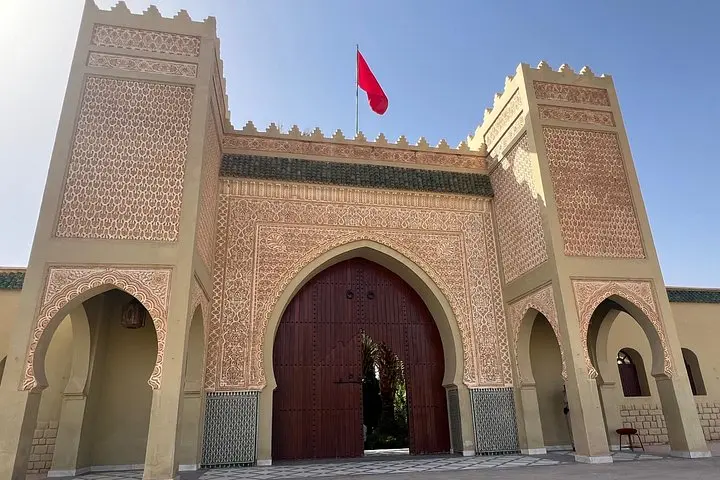
Culturally the route travels Berber country and imperial cities: ksar architecture at Aït Ben Haddou, the medinas of Fes and Marrakech, and small market towns where artisans work with leather, pottery and fossils. Guides point out local craft cooperatives and rose cooperatives in Kelaa M’Gouna, connecting modern stops to centuries-old trade routes.
Practical note: expect long driving days (several stretches 4–6 hours), a short camel trek to a private Berber tent, and mixed accommodations (riads and 3-star inns). Pack layers for strong daytime sun and cold desert nights, bring at least 2–3 liters of water per day on desert legs, and wear closed-toe shoes for moving over dunes and rocky gorges. Respect local customs—dress modestly in towns—and schedule key visits early or late to avoid midday heat in summer. This itinerary balances immersive desert time with cultural stops for a compact, transportive Moroccan traverse.
Accommodations alternate between private riads or 3-star inns in cities and a private Berber tent overnight in the Merzouga desert; specifics are noted in the itinerary.
Camel rides are short and gentle; guests should be able to mount/dismount with assistance and tolerate walking on sand—no special fitness required.
Families can join; infant seats are available and guides can accommodate children, but be mindful of long driving days and desert conditions for very young children.
Several days include 4–6 hour drives between major stops (e.g., Fes to Merzouga via Midelt). The itinerary balances driving with multi-hour visits and an overnight desert stay.
Excu Marrakech operates guided outdoor trips and adventures with an emphasis on safety, stewardship, and memorable experiences.
The caravan arrives at dusk: a low sun gilds the orange dunes outside Merzouga as camels file toward a camp where wind-sculpted ridges seem to breathe. Travelers dismount to a wide, unbroken horizon; the desert draws a slow, patient line between sky and sand.
The caravan arrives at dusk: a low sun gilds the orange dunes outside Merzouga as camels file toward a camp where wind-sculpted ridges seem to breathe. Travelers dismount to a wide, unbroken horizon; the desert draws a slow, patient line between sky and sand.
This seven-day private loop links Casablanca’s Atlantic façade with Morocco’s high plateaus, Roman ruins and the erg of the eastern Sahara. Along the way you’ll pass Rabat’s Hassan Tower, the bluewashed lanes of Chefchaouen, the mosaics of Volubilis and the cedar groves of the Middle Atlas. Geology shifts visibly—coastal plain to folded High Atlas, then the alluvial plains and palm-lined Ziz Valley before the sweeping dunes of Erg Chebbi.
Culturally the route travels Berber country and imperial cities: ksar architecture at Aït Ben Haddou, the medinas of Fes and Marrakech, and small market towns where artisans work with leather, pottery and fossils. Guides point out local craft cooperatives and rose cooperatives in Kelaa M’Gouna, connecting modern stops to centuries-old trade routes.
Practical note: expect long driving days (several stretches 4–6 hours), a short camel trek to a private Berber tent, and mixed accommodations (riads and 3-star inns). Pack layers for strong daytime sun and cold desert nights, bring at least 2–3 liters of water per day on desert legs, and wear closed-toe shoes for moving over dunes and rocky gorges. Respect local customs—dress modestly in towns—and schedule key visits early or late to avoid midday heat in summer. This itinerary balances immersive desert time with cultural stops for a compact, transportive Moroccan traverse.