THE ADVENTURE COLLECTIVE® · Independent discovery and booking for outdoor travel

Traverse Vietnam’s central coast and southern delta in seven days: Da Nang beaches and Ba Na Hills’ cable cars, lantern-lit Hoi An, the energy of Ho Chi Minh City, and a slow-boat through the Mekong Delta. Practical routing, cultural highlights, and packing tips to plan the trip.
Traverse Vietnam’s central coast and southern delta in seven days: Da Nang beaches and Ba Na Hills’ cable cars, lantern-lit Hoi An, the energy of Ho Chi Minh City, and a slow-boat through the Mekong Delta. Practical routing, cultural highlights, and packing tips to plan the trip.
Sit on the terrace of a Danang hotel at dawn and watch fishing boats stitch pale lines across the South China Sea; by evening, lantern light in Hoi An pools the streets in amber. This seven-day loop threads two distinct faces of Vietnam: the limestone-dusted coast and the low, braided waters of the Mekong.
Verified experiences and guided adventures in the surrounding area.
Operated by BARBIL TOURS · Da Nang, Da Nang
Sit on the terrace of a Danang hotel at dawn and watch fishing boats stitch pale lines across the South China Sea; by evening, lantern light in Hoi An pools the streets in amber. This seven-day loop threads two distinct faces of Vietnam: the limestone-dusted coast and the low, braided waters of the Mekong.
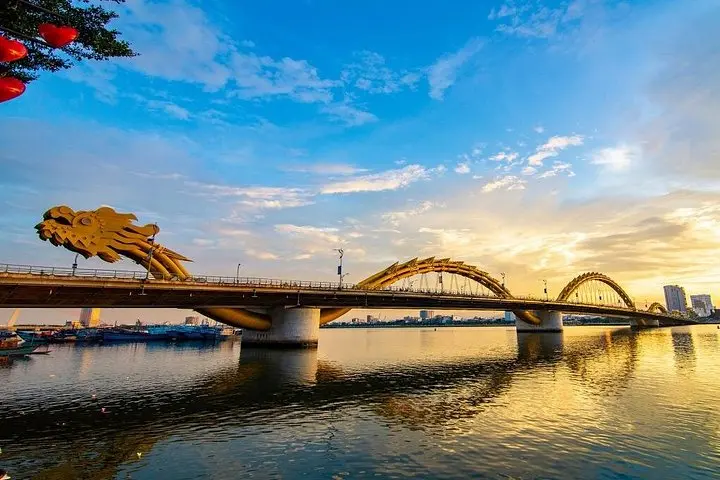
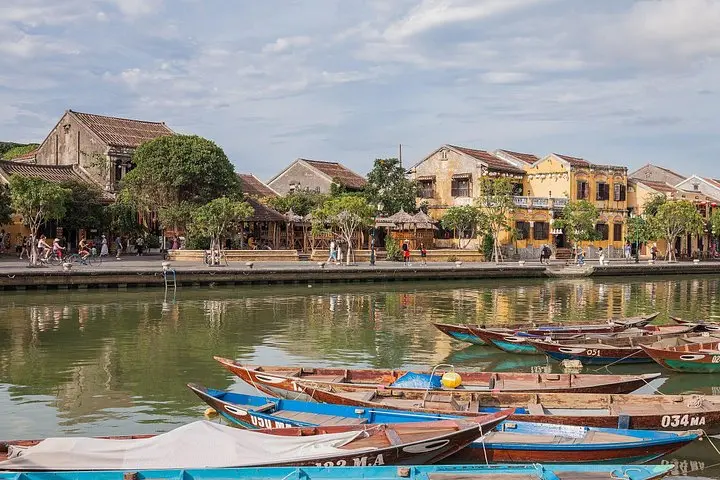
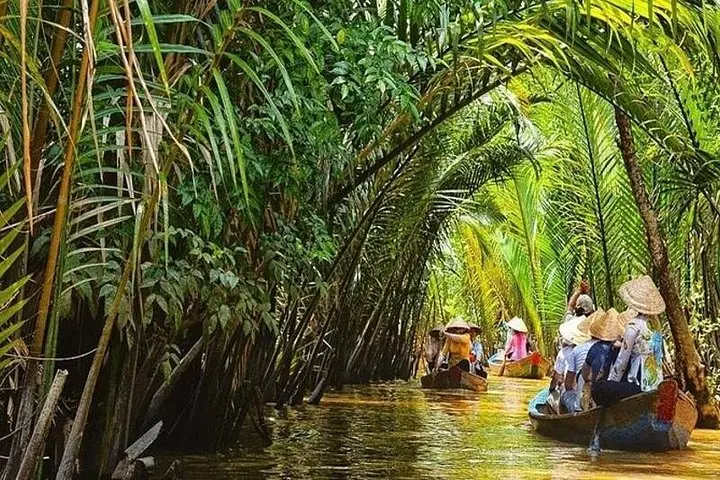
Start in Da Nang—a practical hub of white-sand beaches and the nearby Marble Mountains—before climbing into Ba Na Hills’ mist where the Golden Bridge arcs above cloud and pine. Hoi An follows with slow streets, timber-shopfronts, and the Thu Bon River that has guided trade since the Champa and later, Chinese and Japanese merchants. Fly south to Ho Chi Minh City’s frenetic boulevards, colonial facades and war-era museums, then slow further into the Mekong Delta: narrow canals, floating markets and villages built to the rhythm of tides.
Geology shifts fast here: coastal sand and volcanic outcrops in central Vietnam give way to the alluvial plains of the Mekong, subject to seasonal floods and sediment flow. Culture is equally layered—Cham relics, French colonial architecture and centuries of river commerce.
Practical notes: expect easy walking but lots of short transfers; Ba Na Hills includes cable-car access, while the Mekong section uses small boats. Pack layered rain protection (sudden tropical downpours are common), comfortable walking shoes for cobbled Hoi An lanes, and a light daypack. Plan morning visits to lantern-lit Hoi An and early Mekong cruises to catch market activity and avoid afternoon heat. Carry cash for smaller markets and be ready to trade the city’s pace for quiet river time.
Visa requirements depend on nationality—many travelers need a visa or e-visa issued before arrival; check Vietnam’s official entry rules for your country.
The itinerary includes breakfasts and several meals plus 3–5 star hotel accommodations, but check the booking for exact meal counts and any optional extras.
No—this is rated easy with short walks and transfers; good mobility for stairs and getting on/off boats is helpful.
Dry months (February–April) offer comfortable temperatures and minimal rain in both central and southern Vietnam; expect hotter, wetter conditions in summer.
BARBIL TOURS operates guided outdoor trips and adventures with an emphasis on safety, stewardship, and memorable experiences.

Sit on the terrace of a Danang hotel at dawn and watch fishing boats stitch pale lines across the South China Sea; by evening, lantern light in Hoi An pools the streets in amber. This seven-day loop threads two distinct faces of Vietnam: the limestone-dusted coast and the low, braided waters of the Mekong.
Sit on the terrace of a Danang hotel at dawn and watch fishing boats stitch pale lines across the South China Sea; by evening, lantern light in Hoi An pools the streets in amber. This seven-day loop threads two distinct faces of Vietnam: the limestone-dusted coast and the low, braided waters of the Mekong.
Start in Da Nang—a practical hub of white-sand beaches and the nearby Marble Mountains—before climbing into Ba Na Hills’ mist where the Golden Bridge arcs above cloud and pine. Hoi An follows with slow streets, timber-shopfronts, and the Thu Bon River that has guided trade since the Champa and later, Chinese and Japanese merchants. Fly south to Ho Chi Minh City’s frenetic boulevards, colonial facades and war-era museums, then slow further into the Mekong Delta: narrow canals, floating markets and villages built to the rhythm of tides.
Geology shifts fast here: coastal sand and volcanic outcrops in central Vietnam give way to the alluvial plains of the Mekong, subject to seasonal floods and sediment flow. Culture is equally layered—Cham relics, French colonial architecture and centuries of river commerce.
Practical notes: expect easy walking but lots of short transfers; Ba Na Hills includes cable-car access, while the Mekong section uses small boats. Pack layered rain protection (sudden tropical downpours are common), comfortable walking shoes for cobbled Hoi An lanes, and a light daypack. Plan morning visits to lantern-lit Hoi An and early Mekong cruises to catch market activity and avoid afternoon heat. Carry cash for smaller markets and be ready to trade the city’s pace for quiet river time.