THE ADVENTURE COLLECTIVE® · Independent discovery and booking for outdoor travel

Spend a week moving through mesas, waterfalls and blue plunge pools with local guides who combine biology, culture and community-based tourism. This seven-day route balances active hiking, river cruises and time to soak in thermal-clear pools.
Spend a week moving through mesas, waterfalls and blue plunge pools with local guides who combine biology, culture and community-based tourism. This seven-day route balances active hiking, river cruises and time to soak in thermal-clear pools.
You arrive before dawn to a horizon of flat-topped mesas cutting into a wide sky; the Tocantins River glints like a ribbon daring you to follow it. Early light finds the Portal da Chapada, a cliff face that throws long shadows across red sandstone and scrubby cerrado, while distant cascades announce the day with steady, confident noise.
Verified experiences and guided adventures in the surrounding area.
Operated by Chapada Das Mesas Expedições · Carolina, Maranhão
You arrive before dawn to a horizon of flat-topped mesas cutting into a wide sky; the Tocantins River glints like a ribbon daring you to follow it. Early light finds the Portal da Chapada, a cliff face that throws long shadows across red sandstone and scrubby cerrado, while distant cascades announce the day with steady, confident noise.
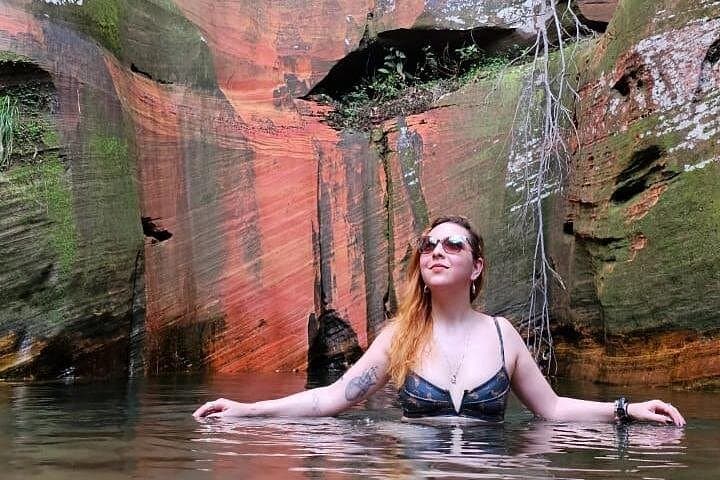
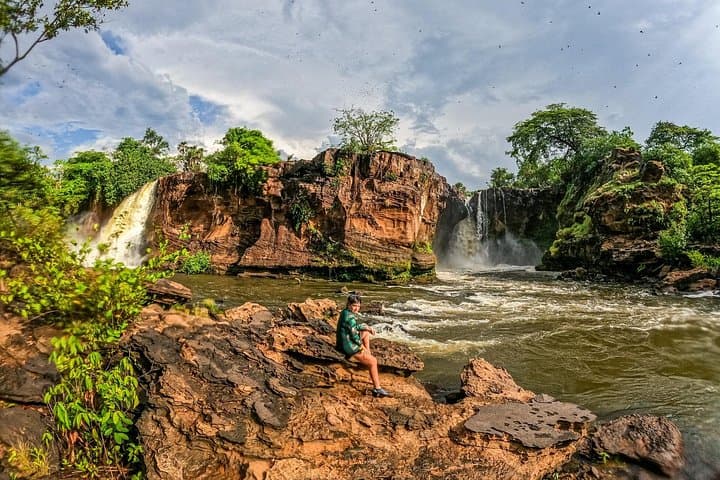
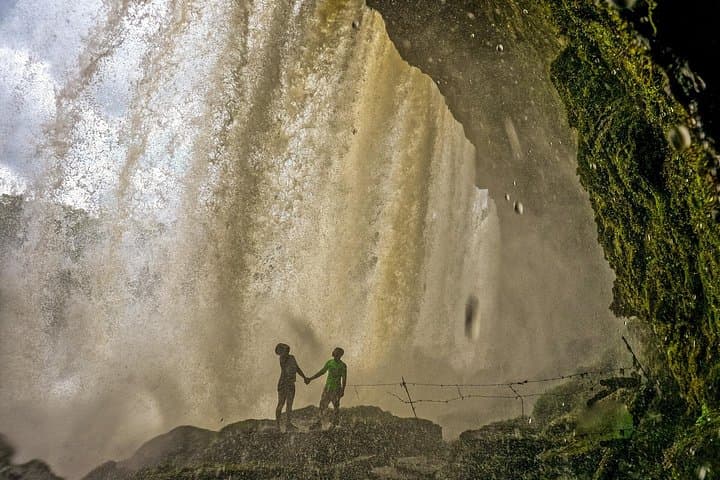
Chapada das Mesas sits on ancient sedimentary rock—sandstones and siltstones shaped over 60 million years—whose erosion created the park’s mesas, canyons and plunge pools. Local sertanejo culture still orients life around seasonal water and cattle routes; community-based tourism here channels income directly to small towns such as Carolina. The park’s geology produces both high-volume falls (São Romão) and crystalline blue pools (Poço Azul and Nascente Azul), offering varied swimming and photo opportunities.
Over seven days you’ll move by shared 4x4 and on foot: short ecological trails, a 7.5 km Guardians Trail with 300–500 m of climbing on mixed cerrado and riparian corridors, river cruises on the Tocantins at sunset, and canyon walks between friable sandstone walls. Expect warm days (often 28–34°C), cool mornings, and muddy tracks during the rains.
Practical edge: bring broken-in boots, a reliable water pack, sun protection and a light rain shell. Plan logistics around dry-season access (May–September) for the best road conditions. Respect local guides, keep to marked paths through sensitive sandstone, and pack out what you bring in—these landscapes recover slowly but reward careful visitors with dramatic views and restorative swimming holes.
The tour is rated moderate: most days include short hikes (up to 7.5 km) over uneven terrain and some climbs, but activities are paced for mixed fitness levels.
Dry season (May–September) offers the most reliable road access and clearer trails; the wet season has fuller waterfalls but can disrupt roads.
The advertised package includes most park entrances and breakfasts; five lunches are included as noted—confirm specifics with the operator.
Not recommended for travelers with serious spinal or cardiovascular conditions due to early starts, river activities and uneven trails.
Chapada Das Mesas Expedições operates guided outdoor trips and adventures with an emphasis on safety, stewardship, and memorable experiences.

You arrive before dawn to a horizon of flat-topped mesas cutting into a wide sky; the Tocantins River glints like a ribbon daring you to follow it. Early light finds the Portal da Chapada, a cliff face that throws long shadows across red sandstone and scrubby cerrado, while distant cascades announce the day with steady, confident noise.
You arrive before dawn to a horizon of flat-topped mesas cutting into a wide sky; the Tocantins River glints like a ribbon daring you to follow it. Early light finds the Portal da Chapada, a cliff face that throws long shadows across red sandstone and scrubby cerrado, while distant cascades announce the day with steady, confident noise.
Chapada das Mesas sits on ancient sedimentary rock—sandstones and siltstones shaped over 60 million years—whose erosion created the park’s mesas, canyons and plunge pools. Local sertanejo culture still orients life around seasonal water and cattle routes; community-based tourism here channels income directly to small towns such as Carolina. The park’s geology produces both high-volume falls (São Romão) and crystalline blue pools (Poço Azul and Nascente Azul), offering varied swimming and photo opportunities.
Over seven days you’ll move by shared 4x4 and on foot: short ecological trails, a 7.5 km Guardians Trail with 300–500 m of climbing on mixed cerrado and riparian corridors, river cruises on the Tocantins at sunset, and canyon walks between friable sandstone walls. Expect warm days (often 28–34°C), cool mornings, and muddy tracks during the rains.
Practical edge: bring broken-in boots, a reliable water pack, sun protection and a light rain shell. Plan logistics around dry-season access (May–September) for the best road conditions. Respect local guides, keep to marked paths through sensitive sandstone, and pack out what you bring in—these landscapes recover slowly but reward careful visitors with dramatic views and restorative swimming holes.