THE ADVENTURE COLLECTIVE® · Independent discovery and booking for outdoor travel

Traverse coastal cool-climate vineyards in Casablanca and the sun-drenched terraces of Maipo before flying to Mendoza’s high-altitude Uco Valley and the Andes’ foothills. This seven-day itinerary pairs cellar tours, guided tastings and a day into Aconcagua country for a cultural and geological wine journey.
Traverse coastal cool-climate vineyards in Casablanca and the sun-drenched terraces of Maipo before flying to Mendoza’s high-altitude Uco Valley and the Andes’ foothills. This seven-day itinerary pairs cellar tours, guided tastings and a day into Aconcagua country for a cultural and geological wine journey.
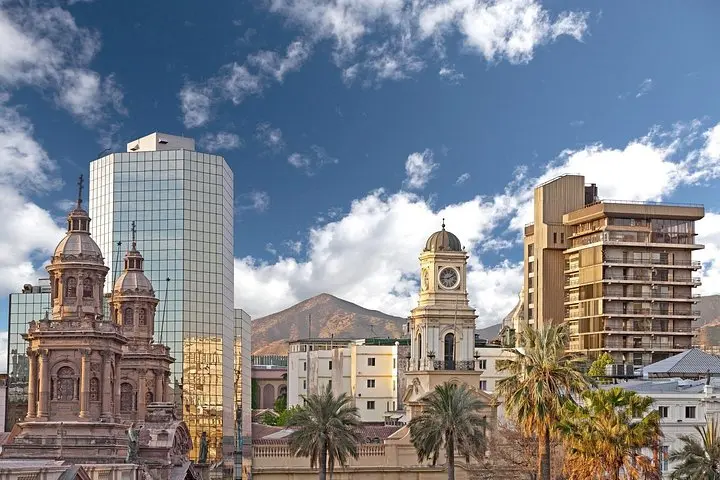
You arrive in Santiago beneath a wide, high sky; the city sits like a gateway between the Pacific and the Andes, and from the cable car on Cerro San Cristóbal the mountains loom like a promise. Over seven days you move from urban plazas and coastal-influenced Casablanca vineyards to the sun-baked terraces of Maipo and the high-altitude rows of Mendoza’s Uco Valley, finishing with a drive into the foothills where Aconcagua dominates the horizon.
Verified experiences and guided adventures in the surrounding area.
Operated by Signature Tours · Santiago, Santiago Metropolitan
You arrive in Santiago beneath a wide, high sky; the city sits like a gateway between the Pacific and the Andes, and from the cable car on Cerro San Cristóbal the mountains loom like a promise. Over seven days you move from urban plazas and coastal-influenced Casablanca vineyards to the sun-baked terraces of Maipo and the high-altitude rows of Mendoza’s Uco Valley, finishing with a drive into the foothills where Aconcagua dominates the horizon.
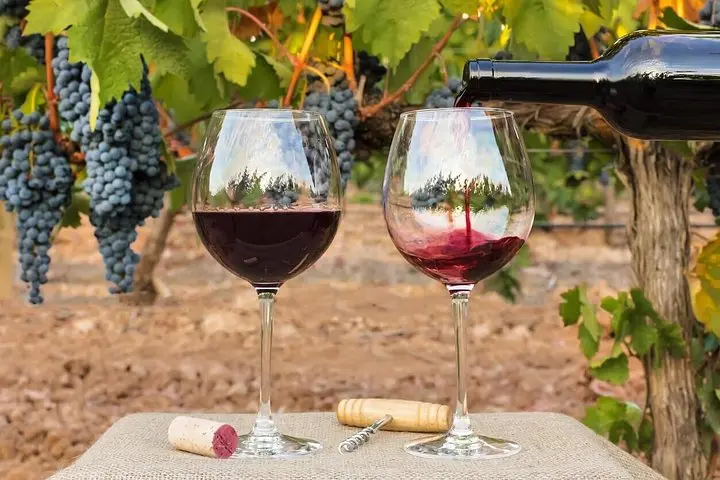
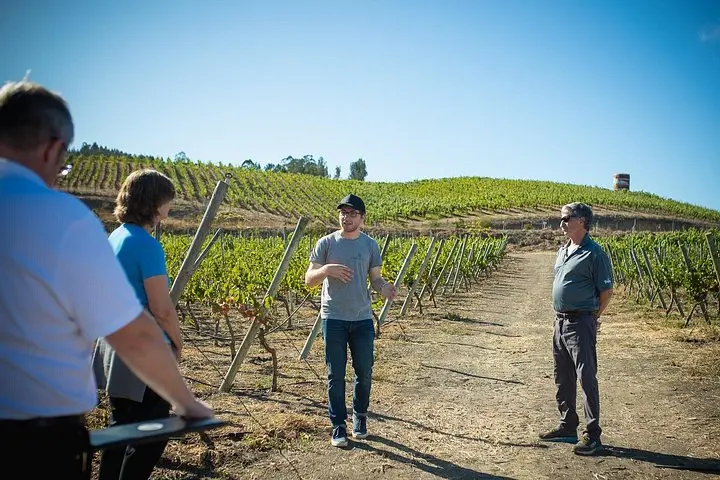
The route follows routes shaped by geology and people: alluvial plains and volcanic soils feed vines that Spanish settlers and immigrant vintners refined over centuries. Casablanca’s cool microclimate produces crisp sauvignons influenced by coastal fog, while Maipo’s alluvial slopes and proximity to the Andes favor structured reds. Crossing into Argentina, Mendoza’s altitude and dry, sunny conditions push ripeness and concentration—hence Argentina’s famed Malbec.
Culturally, meals and tastings are as instructive as cellar tours; winemakers blend traditional practices with modern enology and local produce. On the Andes-side day you’ll see Puente del Inca’s colorful mineral formations and stand near Horcones with Aconcagua cutting the skyline.
Practical guidance: pack layered clothing for big diurnal shifts, bring sturdy walking shoes for gravel tracks at wineries, and carry a refillable water bottle for dry Mendoza days. Expect light walking tours, guided tastings, and several short transfers; some high-altitude viewpoints may be subject to weather. Keep passports and printed travel documents handy for the international leg. Book tastings and lunches in advance during high season to secure top winery experiences.
Visa requirements depend on your nationality; check both countries’ entry rules well before travel and carry your passport for the international flight and any border procedures.
The itinerary includes multiple tastings and four lunches, but specific wineries and menus can vary; confirm final bookings with the operator before departure.
The day is primarily scenic with short walks to viewpoints like Puente del Inca and Horcones; no technical hiking is required, but altitude and cold can make it feel longer.
Hotels in Santiago and Mendoza provide standard outlets (220–230V in Chile and Argentina); rural wineries may have limited cell coverage—download confirmations and maps before visiting.
Signature Tours operates guided outdoor trips and adventures with an emphasis on safety, stewardship, and memorable experiences.

You arrive in Santiago beneath a wide, high sky; the city sits like a gateway between the Pacific and the Andes, and from the cable car on Cerro San Cristóbal the mountains loom like a promise. Over seven days you move from urban plazas and coastal-influenced Casablanca vineyards to the sun-baked terraces of Maipo and the high-altitude rows of Mendoza’s Uco Valley, finishing with a drive into the foothills where Aconcagua dominates the horizon.
You arrive in Santiago beneath a wide, high sky; the city sits like a gateway between the Pacific and the Andes, and from the cable car on Cerro San Cristóbal the mountains loom like a promise. Over seven days you move from urban plazas and coastal-influenced Casablanca vineyards to the sun-baked terraces of Maipo and the high-altitude rows of Mendoza’s Uco Valley, finishing with a drive into the foothills where Aconcagua dominates the horizon.
The route follows routes shaped by geology and people: alluvial plains and volcanic soils feed vines that Spanish settlers and immigrant vintners refined over centuries. Casablanca’s cool microclimate produces crisp sauvignons influenced by coastal fog, while Maipo’s alluvial slopes and proximity to the Andes favor structured reds. Crossing into Argentina, Mendoza’s altitude and dry, sunny conditions push ripeness and concentration—hence Argentina’s famed Malbec.
Culturally, meals and tastings are as instructive as cellar tours; winemakers blend traditional practices with modern enology and local produce. On the Andes-side day you’ll see Puente del Inca’s colorful mineral formations and stand near Horcones with Aconcagua cutting the skyline.
Practical guidance: pack layered clothing for big diurnal shifts, bring sturdy walking shoes for gravel tracks at wineries, and carry a refillable water bottle for dry Mendoza days. Expect light walking tours, guided tastings, and several short transfers; some high-altitude viewpoints may be subject to weather. Keep passports and printed travel documents handy for the international leg. Book tastings and lunches in advance during high season to secure top winery experiences.