THE ADVENTURE COLLECTIVE® · Independent discovery and booking for outdoor travel

Seven days on the Machame Route delivers rainforest trails, high-moors and a dramatic alpine summit push. This practical guide covers what to expect, how to prepare and the essentials for a safe Kilimanjaro climb.
Seven days on the Machame Route delivers rainforest trails, high-moors and a dramatic alpine summit push. This practical guide covers what to expect, how to prepare and the essentials for a safe Kilimanjaro climb.
You step off the safari vehicle into a humid corridor of moss and towering camphor trees; the rainforest at Machame Gate chews the sound of boots and spits out bright green light. The trail begins by threading steep, root-strewn steps upward — the jungle seems to test your resolve before opening onto high moorland and, later, the stony moonscape beneath Kibo.
Verified experiences and guided adventures in the surrounding area.
Operated by African polecat safaris · Moshi, Kilimanjaro Region
You step off the safari vehicle into a humid corridor of moss and towering camphor trees; the rainforest at Machame Gate chews the sound of boots and spits out bright green light. The trail begins by threading steep, root-strewn steps upward — the jungle seems to test your resolve before opening onto high moorland and, later, the stony moonscape beneath Kibo.
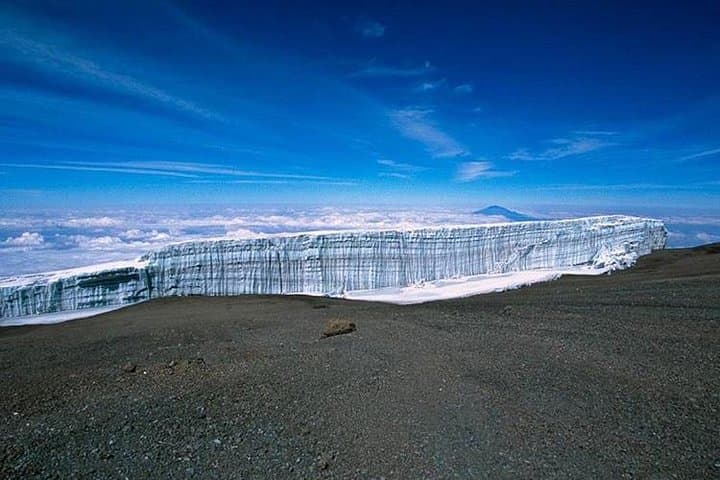
Kilimanjaro is a dormant stratovolcano made of three peaks — Kibo, Mawenzi and Shira — and the Machame Route climbs the southern flank, rising from roughly 1,640 m at Machame Gate to Uhuru Peak at 5,895 m. The route’s layered ecosystems reflect geological change: rainforest, heather and moor, alpine desert and the icy summit cap that has retreated dramatically in the past century. The mountain is central to Chagga culture; local guides and porters bring not only logistic support but decades of route knowledge.
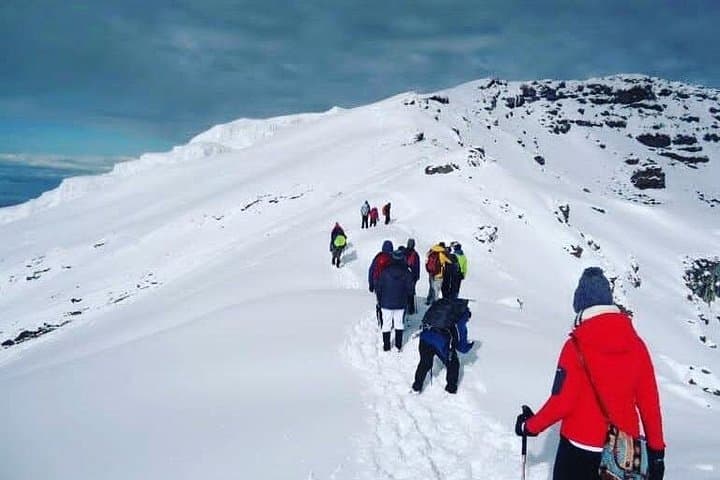
Expect 6–8 hours of walking on most summit days, with total hiking distance around 50–60 km round trip and elevation gain of ~4,200 m. Daytime temperatures vary from hot and humid in the forest to sub-zero winds above 4,500 m; storms can arrive quickly, pushing you forward. Proper pacing and the Machame itinerary’s extra acclimatization days are designed to reduce altitude sickness risk.
Practical essentials: train for sustained uphill hiking, bring layered insulation, and choose broken-in boots with ankle support. Hydrate early and often, plan for 7 days on trail with a licensed operator, and respect park rules — permits and guide groups are required. The summit is hard-earned, but the shifting ecosystems and panoramic silence at dawn make every step useful.
Yes—Kilimanjaro National Park requires permits and climbs are run through licensed guides and operators; solo climbs are not permitted.
Altitude sickness is possible despite fitness; the 7-day Machame itinerary improves acclimatization but monitor symptoms and descend if severe signs appear.
The clearest windows are June–October (dry, cooler) and late December–February (short dry season); rains in March–May and November can make trails slippery and reduce summit chances.
Most days are 5–8 hours of mixed uphill and downhill walking with variable terrain; the summit day is the longest and steepest, often 8–12 hours round trip from camp.
African polecat safaris operates guided outdoor trips and adventures with an emphasis on safety, stewardship, and memorable experiences.

You step off the safari vehicle into a humid corridor of moss and towering camphor trees; the rainforest at Machame Gate chews the sound of boots and spits out bright green light. The trail begins by threading steep, root-strewn steps upward — the jungle seems to test your resolve before opening onto high moorland and, later, the stony moonscape beneath Kibo.
You step off the safari vehicle into a humid corridor of moss and towering camphor trees; the rainforest at Machame Gate chews the sound of boots and spits out bright green light. The trail begins by threading steep, root-strewn steps upward — the jungle seems to test your resolve before opening onto high moorland and, later, the stony moonscape beneath Kibo.
Kilimanjaro is a dormant stratovolcano made of three peaks — Kibo, Mawenzi and Shira — and the Machame Route climbs the southern flank, rising from roughly 1,640 m at Machame Gate to Uhuru Peak at 5,895 m. The route’s layered ecosystems reflect geological change: rainforest, heather and moor, alpine desert and the icy summit cap that has retreated dramatically in the past century. The mountain is central to Chagga culture; local guides and porters bring not only logistic support but decades of route knowledge.
Expect 6–8 hours of walking on most summit days, with total hiking distance around 50–60 km round trip and elevation gain of ~4,200 m. Daytime temperatures vary from hot and humid in the forest to sub-zero winds above 4,500 m; storms can arrive quickly, pushing you forward. Proper pacing and the Machame itinerary’s extra acclimatization days are designed to reduce altitude sickness risk.
Practical essentials: train for sustained uphill hiking, bring layered insulation, and choose broken-in boots with ankle support. Hydrate early and often, plan for 7 days on trail with a licensed operator, and respect park rules — permits and guide groups are required. The summit is hard-earned, but the shifting ecosystems and panoramic silence at dawn make every step useful.