THE ADVENTURE COLLECTIVE® · Independent discovery and booking for outdoor travel

A seven-day loop through Bhutan’s valleys that pairs culinary discovery with cliffside monasteries and wetlands. Expect cultural immersion, moderate hikes (including the iconic Tiger’s Nest), and mindful travel that supports local welfare projects.
A seven-day loop through Bhutan’s valleys that pairs culinary discovery with cliffside monasteries and wetlands. Expect cultural immersion, moderate hikes (including the iconic Tiger’s Nest), and mindful travel that supports local welfare projects.
You step off the plane into Paro’s thin, razor-clear air and the valley seems to inhale around you — prayer flags snap, a river below dares you to slow down, and terraces climb the hills like stairways to the sky.
Verified experiences and guided adventures in the surrounding area.
Operated by CUDIS vacations, BHUTAN · Paro, Paro District
You step off the plane into Paro’s thin, razor-clear air and the valley seems to inhale around you — prayer flags snap, a river below dares you to slow down, and terraces climb the hills like stairways to the sky.
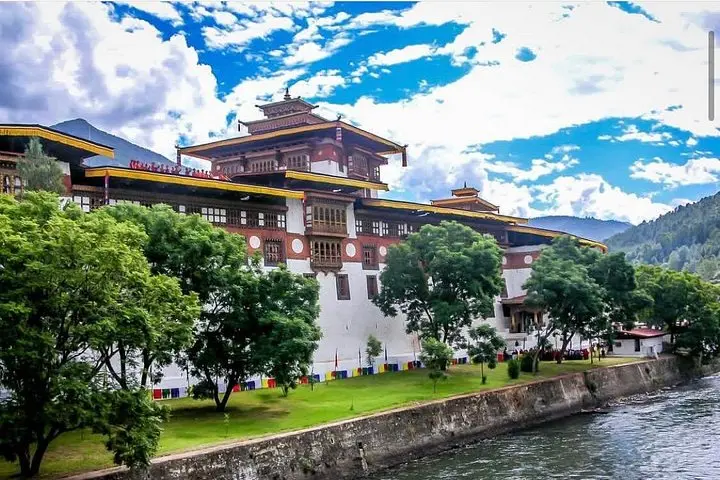
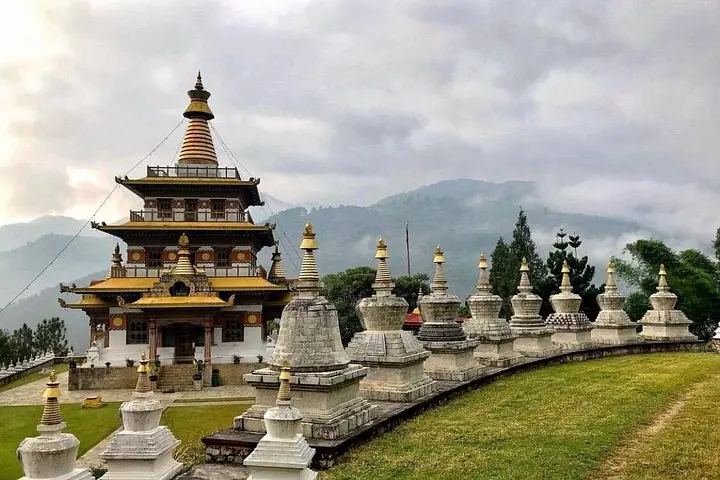
This seven-day route threads Bhutan’s cultural heart: Paro’s cliff-side monasteries, Thimphu’s fortress-monasteries and craft bazaars, the high-altitude hush of Dochula Pass, and the wetlands of Phobjikha where black-necked cranes winter. Geology here is raw: young Himalayan folds, steep river gorges and glacially-fed streams carve dramatic valleys. Centuries of Buddhist patronage shaped the landscape into fortified dzongs and painted chortens; local architecture uses timber joinery and whitewashed stone that withstand seismic shocks and mountain weather.
Daily life is deliberate — market stalls selling ema datshi and handwoven textiles sit beneath prayer wheels spun by villagers who maintain age-old rituals. The tour supports community welfare and includes a certified guide, three-star lodging, most meals and the government sustainable development fee, which underwrites local services and conservation.
Practical edge: expect a mix of easy cultural walks and one strenuous hike to Paro Taktshang (Tiger’s Nest) with steep stone steps and high-altitude exposure. Allow time to acclimatize in Thimphu, carry layered clothing for rapid temperature swings, and pack sturdy footwear for uneven paths. Cash is useful in smaller villages; respect dress codes at monasteries (no shorts, shoulders covered). With basic fitness and a steady pace, this itinerary balances immersive cultural encounters and outdoor challenge for a memorable week in the Land of the Thunder Dragon.
Most visitors require a visa arranged through a licensed Bhutanese tour operator; the operator will process permits once the trip is booked.
The hike is steep with stone stair sections and takes 3–4 hours round-trip for most people; proper pacing and acclimatization in Thimphu reduce strain.
The trip includes most breakfasts, several lunches and dinners per the itinerary; guides can arrange alternatives for dietary needs during lunch outings.
Yes — the overall pace is moderate and accommodations are three-star; discuss mobility limitations with the operator to tailor walking segments.
CUDIS vacations, BHUTAN operates guided outdoor trips and adventures with an emphasis on safety, stewardship, and memorable experiences.

You step off the plane into Paro’s thin, razor-clear air and the valley seems to inhale around you — prayer flags snap, a river below dares you to slow down, and terraces climb the hills like stairways to the sky.
You step off the plane into Paro’s thin, razor-clear air and the valley seems to inhale around you — prayer flags snap, a river below dares you to slow down, and terraces climb the hills like stairways to the sky.
This seven-day route threads Bhutan’s cultural heart: Paro’s cliff-side monasteries, Thimphu’s fortress-monasteries and craft bazaars, the high-altitude hush of Dochula Pass, and the wetlands of Phobjikha where black-necked cranes winter. Geology here is raw: young Himalayan folds, steep river gorges and glacially-fed streams carve dramatic valleys. Centuries of Buddhist patronage shaped the landscape into fortified dzongs and painted chortens; local architecture uses timber joinery and whitewashed stone that withstand seismic shocks and mountain weather.
Daily life is deliberate — market stalls selling ema datshi and handwoven textiles sit beneath prayer wheels spun by villagers who maintain age-old rituals. The tour supports community welfare and includes a certified guide, three-star lodging, most meals and the government sustainable development fee, which underwrites local services and conservation.
Practical edge: expect a mix of easy cultural walks and one strenuous hike to Paro Taktshang (Tiger’s Nest) with steep stone steps and high-altitude exposure. Allow time to acclimatize in Thimphu, carry layered clothing for rapid temperature swings, and pack sturdy footwear for uneven paths. Cash is useful in smaller villages; respect dress codes at monasteries (no shorts, shoulders covered). With basic fitness and a steady pace, this itinerary balances immersive cultural encounters and outdoor challenge for a memorable week in the Land of the Thunder Dragon.