THE ADVENTURE COLLECTIVE® · Independent discovery and booking for outdoor travel

A seven-day private tour that pairs UNESCO highlights with regional food: hike Mutianyu’s towers, stand before Xi’an’s Terracotta Army, and learn Sichuan techniques while sampling Chengdu’s cuisine. Ideal for travelers who want cultural depth with practical logistics handled.
A seven-day private tour that pairs UNESCO highlights with regional food: hike Mutianyu’s towers, stand before Xi’an’s Terracotta Army, and learn Sichuan techniques while sampling Chengdu’s cuisine. Ideal for travelers who want cultural depth with practical logistics handled.
You step from a Beijing alley into a soundscape of vendors and sizzling pans; the city exhales history while your guide folds maps of dynasties into the present. Over seven days the tour stitches three Chinese megacities into a single narrative: the wall-scarred ridgelines at Mutianyu, the terracotta ranks frozen in Xi’an earth, and Chengdu’s slow rivers and bamboo-shadowed tea terraces.
Verified experiences and guided adventures in the surrounding area.
Operated by Unique Beijing Tours · Beijing, Beijing
You step from a Beijing alley into a soundscape of vendors and sizzling pans; the city exhales history while your guide folds maps of dynasties into the present. Over seven days the tour stitches three Chinese megacities into a single narrative: the wall-scarred ridgelines at Mutianyu, the terracotta ranks frozen in Xi’an earth, and Chengdu’s slow rivers and bamboo-shadowed tea terraces.
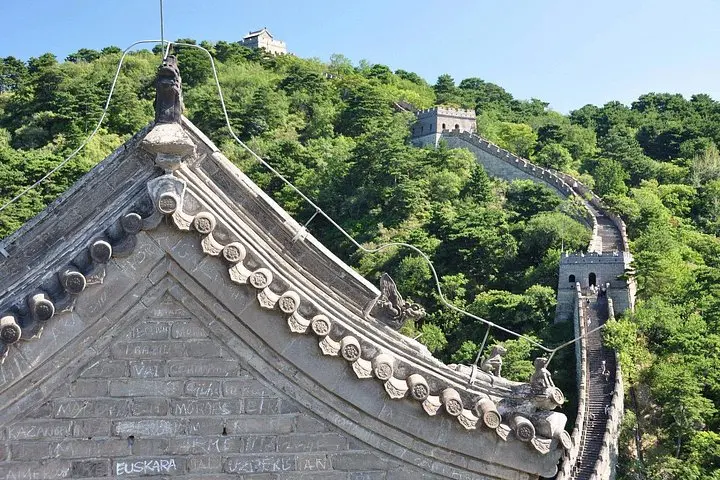
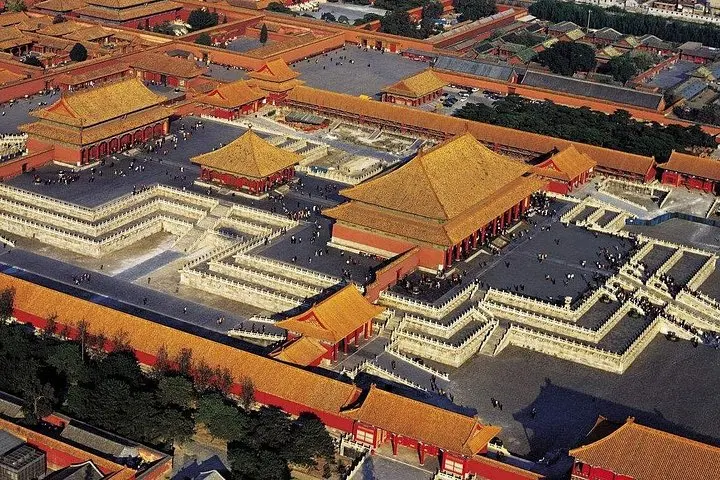
The route traces imperial power and regional craft. Beijing’s Forbidden City and Summer Palace display imperial planning and Qing-era tastes; the Great Wall at Mutianyu runs along weathered limestone and granite outcrops that have kept watch for centuries. Xi’an’s Terracotta Army speaks to Tang and earlier military culture carved into loess-rich soils; Chengdu’s Sichuan basin — geologically a broad plain ringed by hills — is where tea culture and panda conservation took root.
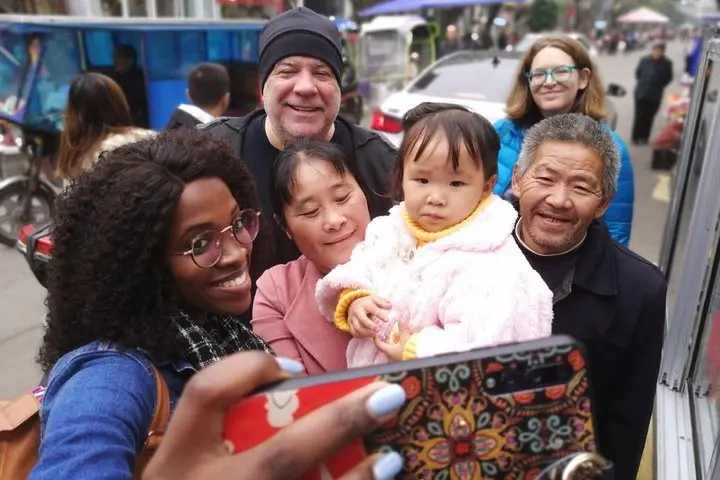
Culinary culture drives long sections of the itinerary: rickshaw-fed hutongs, Muslim Quarter stalls, Xi’an dumpling banquets and Sichuan hotpot. Local artisans and teafarm families reveal how food and craft tie to place.
Practical guidance: expect varied walking surfaces — cobbled hutongs, museum floors, stepped Great Wall towers — and frequent short transfers by private vehicle and bullet train. Carry a compact daypack, passport copy for site entries, and cash for market snacks. Start Great Wall and Terracotta visits early to avoid crowds; pace tasting portions so you can enjoy a full day of sampling. Weather can swing from humid summers to sharp winter air; layer and hydrate accordingly. With an English-speaking guide, the tour balances curated highlights and local encounters, making it a concentrated, walkable primer on China’s foodways and heritage.
No — the itinerary states that accommodations are not included; the tour provides private pick-up and drop-off and covers listed meals and transport between sites.
Most days involve light-to-moderate walking with some stairs (Great Wall towers, Forbidden City) but no technical hiking—suitable for travelers with basic mobility.
Yes — the tour includes an English-speaking private guide who accompanies you at major sites and on transfers.
Yes — the tour includes high-speed train tickets between Beijing–Xi’an and Xi’an–Chengdu as listed in the inclusions.
Unique Beijing Tours operates guided outdoor trips and adventures with an emphasis on safety, stewardship, and memorable experiences.
You step from a Beijing alley into a soundscape of vendors and sizzling pans; the city exhales history while your guide folds maps of dynasties into the present. Over seven days the tour stitches three Chinese megacities into a single narrative: the wall-scarred ridgelines at Mutianyu, the terracotta ranks frozen in Xi’an earth, and Chengdu’s slow rivers and bamboo-shadowed tea terraces.
You step from a Beijing alley into a soundscape of vendors and sizzling pans; the city exhales history while your guide folds maps of dynasties into the present. Over seven days the tour stitches three Chinese megacities into a single narrative: the wall-scarred ridgelines at Mutianyu, the terracotta ranks frozen in Xi’an earth, and Chengdu’s slow rivers and bamboo-shadowed tea terraces.
The route traces imperial power and regional craft. Beijing’s Forbidden City and Summer Palace display imperial planning and Qing-era tastes; the Great Wall at Mutianyu runs along weathered limestone and granite outcrops that have kept watch for centuries. Xi’an’s Terracotta Army speaks to Tang and earlier military culture carved into loess-rich soils; Chengdu’s Sichuan basin — geologically a broad plain ringed by hills — is where tea culture and panda conservation took root.
Culinary culture drives long sections of the itinerary: rickshaw-fed hutongs, Muslim Quarter stalls, Xi’an dumpling banquets and Sichuan hotpot. Local artisans and teafarm families reveal how food and craft tie to place.
Practical guidance: expect varied walking surfaces — cobbled hutongs, museum floors, stepped Great Wall towers — and frequent short transfers by private vehicle and bullet train. Carry a compact daypack, passport copy for site entries, and cash for market snacks. Start Great Wall and Terracotta visits early to avoid crowds; pace tasting portions so you can enjoy a full day of sampling. Weather can swing from humid summers to sharp winter air; layer and hydrate accordingly. With an English-speaking guide, the tour balances curated highlights and local encounters, making it a concentrated, walkable primer on China’s foodways and heritage.