THE ADVENTURE COLLECTIVE® · Independent discovery and booking for outdoor travel

Traverse the historic Khyber corridor and the river-cut bowls of Swat on a seven-day cultural loop. Expect bazaars, Gandhara ruins, trout streams and high-valley drives with mountain views.
Traverse the historic Khyber corridor and the river-cut bowls of Swat on a seven-day cultural loop. Expect bazaars, Gandhara ruins, trout streams and high-valley drives with mountain views.
You arrive on the Grand Trunk Road at dawn, the low sun catching red sandstone and ruined stupas as the engine hums toward the high green bowls of Swat. The valley breathes cold river air; the Swat River dares you to follow its shoulder of whitewater upstream toward the Hindu Kush. On this seven-day loop you move between frontier bazaars and Buddhist remnants, between the fortified gates of Peshawar and apple-scented orchards that slope into alpine meadows.
Verified experiences and guided adventures in the surrounding area.
Operated by Rock Valley Tours Pakistan · Mingora, Khyber Pakhtunkhwa
You arrive on the Grand Trunk Road at dawn, the low sun catching red sandstone and ruined stupas as the engine hums toward the high green bowls of Swat. The valley breathes cold river air; the Swat River dares you to follow its shoulder of whitewater upstream toward the Hindu Kush. On this seven-day loop you move between frontier bazaars and Buddhist remnants, between the fortified gates of Peshawar and apple-scented orchards that slope into alpine meadows.
History here is physical: Khyber Pass shaped empires, while Gandhara sculpture marks a crossroads of Hellenic and Buddhist art. Geology explains the drama — folded sedimentary strata pushed skyward by the collision of the Indian and Eurasian plates, carving valleys and steep river gorges. Culture is immediate: Pathan hospitality is measured in strong tea and storytelling in Kissa Khawani; Mingora markets trade trout, dried fruit, and hand-stitched caps.
Practical guidance is straightforward. Expect long road transfers (Lahore–Peshawar–Mingora–Islamabad), some short hikes and high-elevation drives up to Kalam (~3,000 m). Bring layered clothing for variable mountain weather, sun protection for open valley stretches, and sturdy shoes for uneven bazaar alleys and riverside trails. Plan for early starts to avoid heat on plain sections and for negotiating local traffic. Carry photocopies of travel documents and local currency for bazaars; mobile reception is patchy once you climb past Bahrain. Travel respectfully: sites of Gandhara are fragile and photography at some religious sites is restricted. With basic fitness and cultural curiosity, this route rewards with sweeping views, living history, and a clear sense of place.
Late spring to early autumn (May–October) offers warm days and accessible roads; winters bring snow in upper Swat and some routes may close.
Visitors may be limited in how far they can go; guided tours typically arrange necessary clearances and advise on safe viewing points like Michni Post.
This is largely road-based with short walks and moderate altitude gain to places like Kalam (~3,000 m); basic fitness for day excursions is sufficient.
Yes—families can participate, but expect long drives and variable facilities; bring car-seat arrangements for infants as needed.
Rock Valley Tours Pakistan operates guided outdoor trips and adventures with an emphasis on safety, stewardship, and memorable experiences.
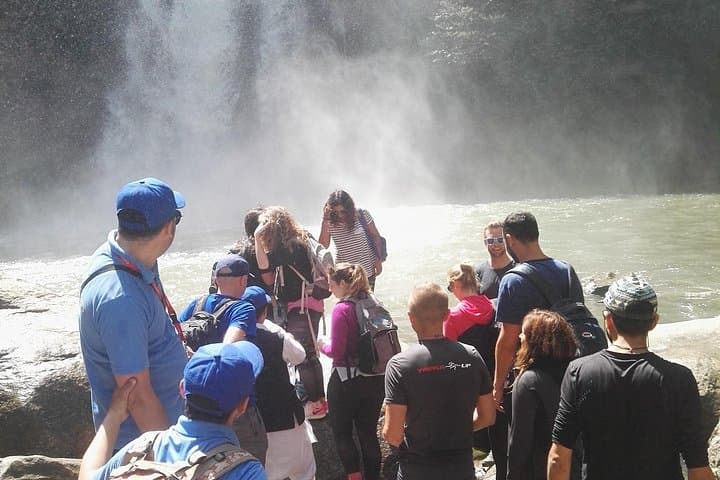


You arrive on the Grand Trunk Road at dawn, the low sun catching red sandstone and ruined stupas as the engine hums toward the high green bowls of Swat. The valley breathes cold river air; the Swat River dares you to follow its shoulder of whitewater upstream toward the Hindu Kush. On this seven-day loop you move between frontier bazaars and Buddhist remnants, between the fortified gates of Peshawar and apple-scented orchards that slope into alpine meadows.
You arrive on the Grand Trunk Road at dawn, the low sun catching red sandstone and ruined stupas as the engine hums toward the high green bowls of Swat. The valley breathes cold river air; the Swat River dares you to follow its shoulder of whitewater upstream toward the Hindu Kush. On this seven-day loop you move between frontier bazaars and Buddhist remnants, between the fortified gates of Peshawar and apple-scented orchards that slope into alpine meadows.
History here is physical: Khyber Pass shaped empires, while Gandhara sculpture marks a crossroads of Hellenic and Buddhist art. Geology explains the drama — folded sedimentary strata pushed skyward by the collision of the Indian and Eurasian plates, carving valleys and steep river gorges. Culture is immediate: Pathan hospitality is measured in strong tea and storytelling in Kissa Khawani; Mingora markets trade trout, dried fruit, and hand-stitched caps.
Practical guidance is straightforward. Expect long road transfers (Lahore–Peshawar–Mingora–Islamabad), some short hikes and high-elevation drives up to Kalam (~3,000 m). Bring layered clothing for variable mountain weather, sun protection for open valley stretches, and sturdy shoes for uneven bazaar alleys and riverside trails. Plan for early starts to avoid heat on plain sections and for negotiating local traffic. Carry photocopies of travel documents and local currency for bazaars; mobile reception is patchy once you climb past Bahrain. Travel respectfully: sites of Gandhara are fragile and photography at some religious sites is restricted. With basic fitness and cultural curiosity, this route rewards with sweeping views, living history, and a clear sense of place.