THE ADVENTURE COLLECTIVE® · Independent discovery and booking for outdoor travel

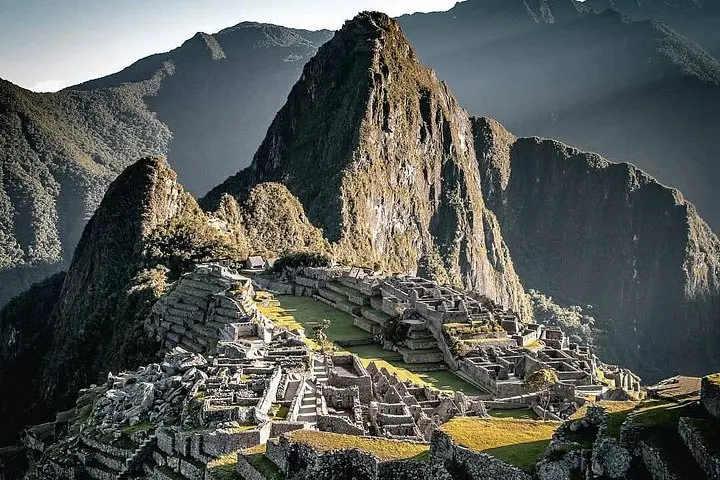
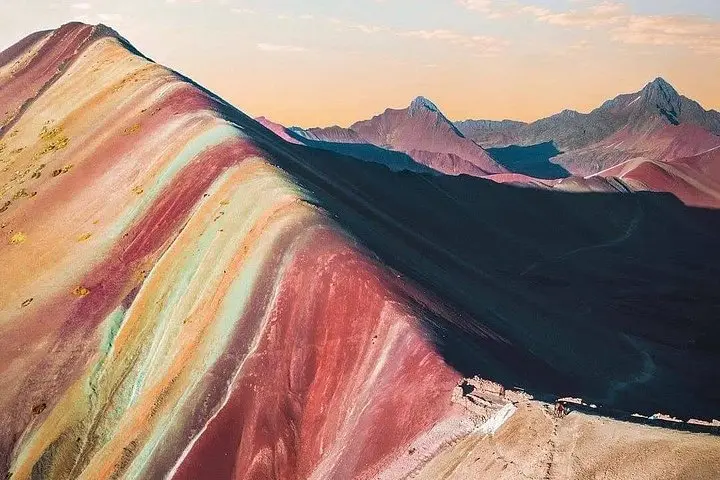
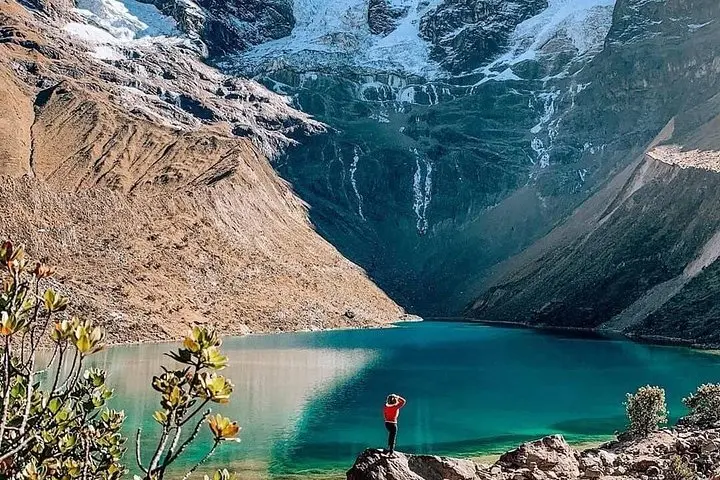
A seven-day circuit from Cusco through the Sacred Valley delivers Machu Picchu, the salt pans of Maras, concentric Inca terraces at Moray, and high-altitude treks to Vinicunca and Humantay Lagoon. Expect early mornings, high passes and dramatic Andean geology.
A seven-day circuit from Cusco through the Sacred Valley delivers Machu Picchu, the salt pans of Maras, concentric Inca terraces at Moray, and high-altitude treks to Vinicunca and Humantay Lagoon. Expect early mornings, high passes and dramatic Andean geology.
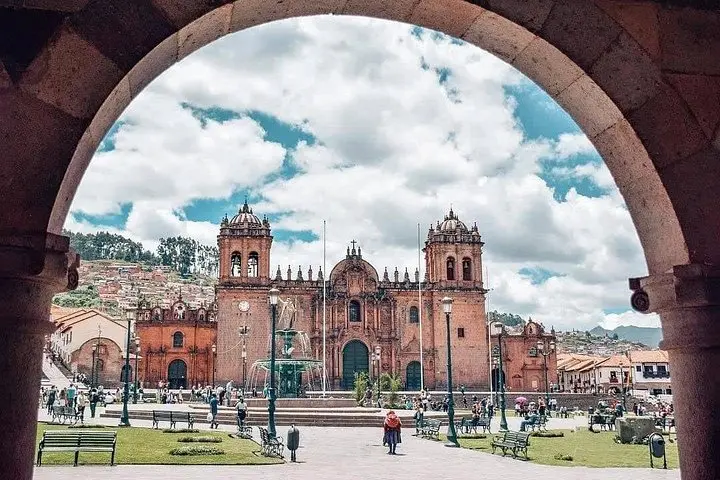
A thin mountain light wakes the city of Cusco on day one as travelers step from colonial plazas into Inca stone. The itinerary threads through highland valleys and stone staircases — Pisaq’s terraces clinging to slopes, the thunder of the Urubamba river daring you toward Ollantaytambo, and the precision masonry of temples that still hold the air of empire.
Verified experiences and guided adventures in the surrounding area.
Operated by Andean Perú Trip Advisors · Cusco, Cusco Region
A thin mountain light wakes the city of Cusco on day one as travelers step from colonial plazas into Inca stone. The itinerary threads through highland valleys and stone staircases — Pisaq’s terraces clinging to slopes, the thunder of the Urubamba river daring you toward Ollantaytambo, and the precision masonry of temples that still hold the air of empire.
This route traces Inca ingenuity: agricultural labs like Moray that manipulated microclimates, saltworks at Maras driven by a natural spring, and the terraced defenses around Cusco. Geology is evident everywhere — folded Andes ridges, glacial cirques, red-ochre strata on Vinicunca, and the milky turquoise of Humantay’s glacial lagoon. The culture is local and living: Quechua-speaking communities, market stalls in Pisac, and small highland farms that supply the valley.
Practical guidance: acclimatize in Cusco for at least 24–48 hours, hydrate steadily, and expect daily transfers plus moderate-to-steep hikes at 3,800–5,200 m. Machu Picchu requires a timed entry; Huayna Picchu or Machu Picchu Mountain are optional with separate permits. Footwear with firm soles, windproof layers, sun protection and basic trekking fitness will make the difference between sightseeing and truly moving through this landscape. Timing matters: early departures for Vinicunca and Humantay avoid afternoon clouds. Respect local guidelines — stay on marked paths and carry out waste. Over seven days this tour balances cultural discovery with physical challenge, offering sweeping viewpoints and up-close encounters with the high Andes.
Yes — Machu Picchu requires a timed entry ticket and Huayna Picchu or Machu Picchu Mountain requires separate limited permits; book these and your train tickets in advance.
Routes reach 5,200 m (Vinicunca vicinity) and 4,200 m (Humantay); many travelers experience mild symptoms — acclimatize, hydrate, avoid alcohol and consider medication after consulting a physician.
Local horse rentals are often available for short sections but may not reach the summit; they reduce exertion but riders should assess trail safety and animal welfare.
Moderate to high — expect several hikes of 1–5 hours on steep, high-altitude trails; prior hiking experience and cardiovascular fitness make the trip more enjoyable.
Andean Perú Trip Advisors operates guided outdoor trips and adventures with an emphasis on safety, stewardship, and memorable experiences.
A thin mountain light wakes the city of Cusco on day one as travelers step from colonial plazas into Inca stone. The itinerary threads through highland valleys and stone staircases — Pisaq’s terraces clinging to slopes, the thunder of the Urubamba river daring you toward Ollantaytambo, and the precision masonry of temples that still hold the air of empire.
A thin mountain light wakes the city of Cusco on day one as travelers step from colonial plazas into Inca stone. The itinerary threads through highland valleys and stone staircases — Pisaq’s terraces clinging to slopes, the thunder of the Urubamba river daring you toward Ollantaytambo, and the precision masonry of temples that still hold the air of empire.
This route traces Inca ingenuity: agricultural labs like Moray that manipulated microclimates, saltworks at Maras driven by a natural spring, and the terraced defenses around Cusco. Geology is evident everywhere — folded Andes ridges, glacial cirques, red-ochre strata on Vinicunca, and the milky turquoise of Humantay’s glacial lagoon. The culture is local and living: Quechua-speaking communities, market stalls in Pisac, and small highland farms that supply the valley.
Practical guidance: acclimatize in Cusco for at least 24–48 hours, hydrate steadily, and expect daily transfers plus moderate-to-steep hikes at 3,800–5,200 m. Machu Picchu requires a timed entry; Huayna Picchu or Machu Picchu Mountain are optional with separate permits. Footwear with firm soles, windproof layers, sun protection and basic trekking fitness will make the difference between sightseeing and truly moving through this landscape. Timing matters: early departures for Vinicunca and Humantay avoid afternoon clouds. Respect local guidelines — stay on marked paths and carry out waste. Over seven days this tour balances cultural discovery with physical challenge, offering sweeping viewpoints and up-close encounters with the high Andes.