THE ADVENTURE COLLECTIVE® · Independent discovery and booking for outdoor travel

Seven days across the Cusco region pairs high-altitude treks with Inca archaeology: Sacred Valley terraces, Maras salt pans, a guided visit to Machu Picchu, Rainbow Mountain and Humantay Lake. This practical guide outlines what to expect, how to prepare for altitude, and the day-by-day experiences.
Seven days across the Cusco region pairs high-altitude treks with Inca archaeology: Sacred Valley terraces, Maras salt pans, a guided visit to Machu Picchu, Rainbow Mountain and Humantay Lake. This practical guide outlines what to expect, how to prepare for altitude, and the day-by-day experiences.
Morning light slices the Andes as a minivan threads narrow switchbacks out of Cusco and the air sharpens with altitude and history. Over seven days travelers move from colonial plazas to high puna, following stone canals the Incas carved and the railway that still hums toward Machu Picchu.
Verified experiences and guided adventures in the surrounding area.
Operated by Chullos Travel Peru · Cusco, Cusco Region
Morning light slices the Andes as a minivan threads narrow switchbacks out of Cusco and the air sharpens with altitude and history. Over seven days travelers move from colonial plazas to high puna, following stone canals the Incas carved and the railway that still hums toward Machu Picchu.
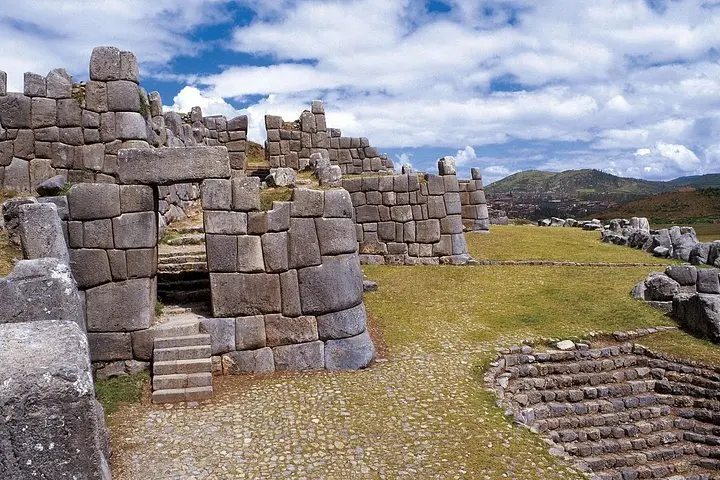
This route covers core Cusco-region highlights: Koricancha and Sacsayhuamán’s monumental masonry, the agricultural amphitheater of Moray, and the salt pans at Maras that have harvested Andean brine for centuries. Geologically the range is young and steep—glaciated peaks, weathered volcanic strata, and river-carved valleys govern the terrain. Cultural threads are constant: Quechua agriculture, Inca terrace engineering, and market towns that mix Spanish colonial façades with Andean craft tradition.
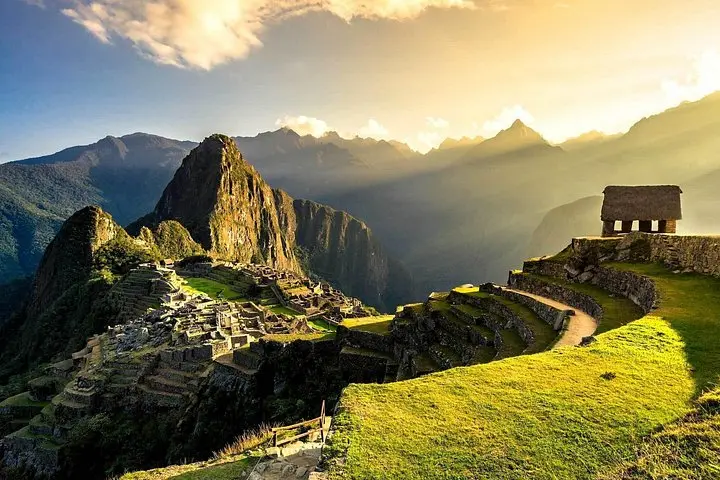
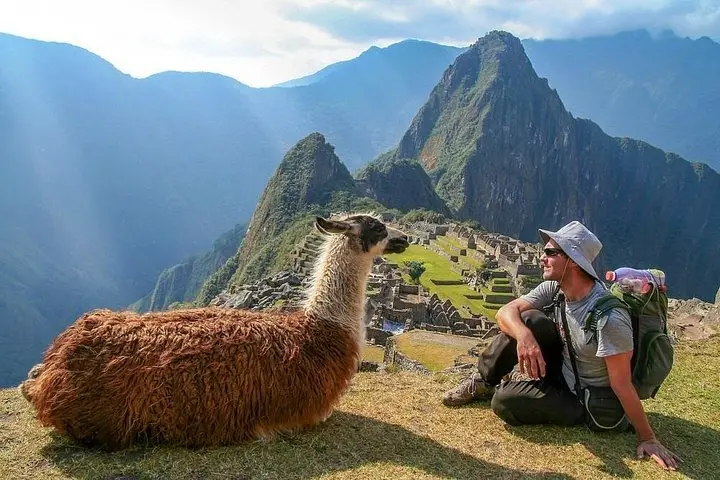
Expect a mix of short archaeological walks and higher-altitude treks: a 2.5-hour guided circuit at Machu Picchu, a steep 1.5–2 hour ascent to Winicunca (Rainbow Mountain) with roughly 400–600 m of elevation change, and a 3–4 mile round-trip hike to Humantay Lake at about 4,250 m. Trains link Ollantaytambo and Aguas Calientes; buses shuttle visitors up to Machu Picchu.
Practical edge: acclimatize in Cusco for 24–48 hours, layer for intense sun and sharp cold, and carry water, snacks, and motion-sickness remedies for trains. Guides handle logistics and admissions, but ticket availability for Machu Picchu is limited—book early. Travel deliberately: move slowly on ascents, use trekking poles, and respect restricted circuits to protect fragile ruins and local communities.
Yes—altitude is the main challenge. Acclimatize gradually in Cusco, hydrate, avoid alcohol on arrival and consider coca tea or medication if prone to AMS.
Tickets are included subject to availability; the Ministry of Culture controls sales and circuits may change—if no tickets are available you should receive a full refund per the operator policy.
Winicunca involves a steep 1.5–2 hour climb with 400–600 m elevation gain; pace yourself and use poles; many companies offer optional horseback assistance partway.
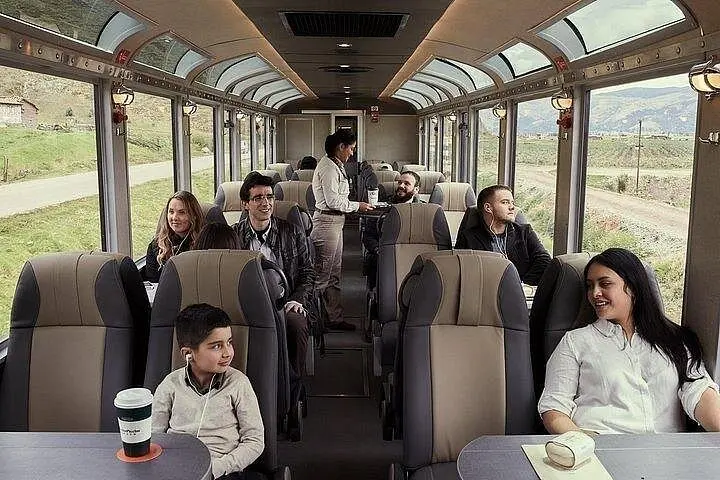
The itinerary uses vans/buses for valley travel, local trains (Voyager or Expedition) between Ollantaytambo and Aguas Calientes, and standard 2–3 star hotels in Cusco and Aguas Calientes unless otherwise specified.
Chullos Travel Peru operates guided outdoor trips and adventures with an emphasis on safety, stewardship, and memorable experiences.
Morning light slices the Andes as a minivan threads narrow switchbacks out of Cusco and the air sharpens with altitude and history. Over seven days travelers move from colonial plazas to high puna, following stone canals the Incas carved and the railway that still hums toward Machu Picchu.
Morning light slices the Andes as a minivan threads narrow switchbacks out of Cusco and the air sharpens with altitude and history. Over seven days travelers move from colonial plazas to high puna, following stone canals the Incas carved and the railway that still hums toward Machu Picchu.
This route covers core Cusco-region highlights: Koricancha and Sacsayhuamán’s monumental masonry, the agricultural amphitheater of Moray, and the salt pans at Maras that have harvested Andean brine for centuries. Geologically the range is young and steep—glaciated peaks, weathered volcanic strata, and river-carved valleys govern the terrain. Cultural threads are constant: Quechua agriculture, Inca terrace engineering, and market towns that mix Spanish colonial façades with Andean craft tradition.
Expect a mix of short archaeological walks and higher-altitude treks: a 2.5-hour guided circuit at Machu Picchu, a steep 1.5–2 hour ascent to Winicunca (Rainbow Mountain) with roughly 400–600 m of elevation change, and a 3–4 mile round-trip hike to Humantay Lake at about 4,250 m. Trains link Ollantaytambo and Aguas Calientes; buses shuttle visitors up to Machu Picchu.
Practical edge: acclimatize in Cusco for 24–48 hours, layer for intense sun and sharp cold, and carry water, snacks, and motion-sickness remedies for trains. Guides handle logistics and admissions, but ticket availability for Machu Picchu is limited—book early. Travel deliberately: move slowly on ascents, use trekking poles, and respect restricted circuits to protect fragile ruins and local communities.