THE ADVENTURE COLLECTIVE® · Independent discovery and booking for outdoor travel

Combine Mughal monuments with a classic tiger safari on this seven-day private loop from Delhi to Agra and Ranthambore. Sunrise at the Taj and morning drives in dry teak forest make this a compact cultural‑and‑wildlife itinerary.
Combine Mughal monuments with a classic tiger safari on this seven-day private loop from Delhi to Agra and Ranthambore. Sunrise at the Taj and morning drives in dry teak forest make this a compact cultural‑and‑wildlife itinerary.
You arrive in New Delhi before dawn, the city still rubbing sleep from its streets as your driver threads past lamp-lit bazaars toward the Yamuna. By day two marble glow at the Taj Mahal will demand silence; by day five the scrub and dry teak of Ranthambore will lean in like an old storyteller, offering glimpses of a different India.
Verified experiences and guided adventures in the surrounding area.
Operated by Indian Travel Online · New Delhi, Delhi
You arrive in New Delhi before dawn, the city still rubbing sleep from its streets as your driver threads past lamp-lit bazaars toward the Yamuna. By day two marble glow at the Taj Mahal will demand silence; by day five the scrub and dry teak of Ranthambore will lean in like an old storyteller, offering glimpses of a different India.
This seven-day loop pairs Mughal-era monuments—Red Fort, Humayun’s Tomb and the Taj Mahal—with Vrindavan’s devotional temples and Ranthambore’s granite ridges carved through Vindhya-Bundelkhand geology. Agra’s red-sandstone fortifications reflect imperial power; the Taj’s white marble inlay speaks of craftspeople and trade routes that fed India’s artistic economy. Vrindavan’s temple-lined lanes reveal a living devotional culture tied to Krishna lore.
Ranthambore National Park occupies a mosaic of dry deciduous forest and seasonal waterholes; granite outcrops and a 10th-century fort punctuate its landscape. Tigers, langurs and chital use the same scrub corridors, and during morning safaris mist and bird calls become a courtship of sound.
Practical edge: book the Taj Mahal sunrise slot in advance and carry valid ID for monument entry. Safaris in Ranthambore are often booked separately—reserve a morning slot for higher tiger activity. Wear breathable layers, sturdy walking shoes and a sun hat; temperatures swing between urban heat and cooler forest mornings. Hydrate on long drives, keep valuables secure in cities, and follow park rules—stay in vehicles on safari and keep noise low. This itinerary balances iconic architecture with wildlife drama: efficient driving, predictable lodging, and two full days for game viewing make it a strong option for travelers who want both culture and conservation in one trip.
The itinerary lists safaris as available but notes jeep/canter safaris are typically paid for separately—confirm with the operator before travel.
Most international visitors require an Indian visa; valid photo ID or passport is required at hotels and entry gates like the Taj Mahal.
October to March is cooler with higher tiger activity during mornings and evenings; summer months are hotter and drier but still offer good birding.
The supplier notes accessibility options—however some historic sites and safari vehicles may have limited access, so check specifics before booking.
Indian Travel Online operates guided outdoor trips and adventures with an emphasis on safety, stewardship, and memorable experiences.



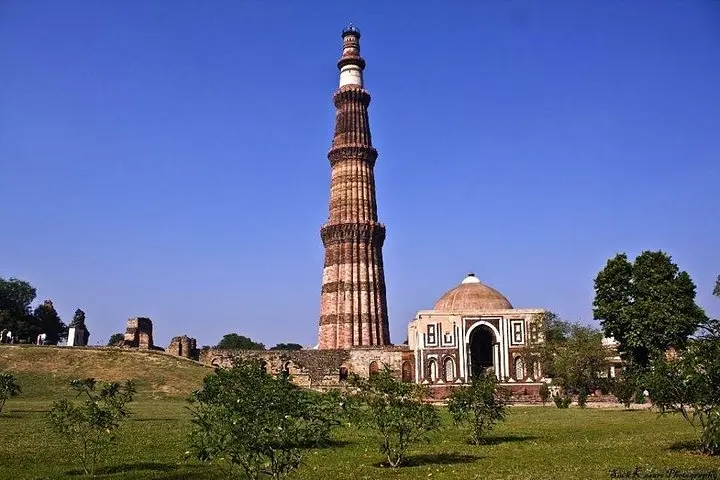
You arrive in New Delhi before dawn, the city still rubbing sleep from its streets as your driver threads past lamp-lit bazaars toward the Yamuna. By day two marble glow at the Taj Mahal will demand silence; by day five the scrub and dry teak of Ranthambore will lean in like an old storyteller, offering glimpses of a different India.
You arrive in New Delhi before dawn, the city still rubbing sleep from its streets as your driver threads past lamp-lit bazaars toward the Yamuna. By day two marble glow at the Taj Mahal will demand silence; by day five the scrub and dry teak of Ranthambore will lean in like an old storyteller, offering glimpses of a different India.
This seven-day loop pairs Mughal-era monuments—Red Fort, Humayun’s Tomb and the Taj Mahal—with Vrindavan’s devotional temples and Ranthambore’s granite ridges carved through Vindhya-Bundelkhand geology. Agra’s red-sandstone fortifications reflect imperial power; the Taj’s white marble inlay speaks of craftspeople and trade routes that fed India’s artistic economy. Vrindavan’s temple-lined lanes reveal a living devotional culture tied to Krishna lore.
Ranthambore National Park occupies a mosaic of dry deciduous forest and seasonal waterholes; granite outcrops and a 10th-century fort punctuate its landscape. Tigers, langurs and chital use the same scrub corridors, and during morning safaris mist and bird calls become a courtship of sound.
Practical edge: book the Taj Mahal sunrise slot in advance and carry valid ID for monument entry. Safaris in Ranthambore are often booked separately—reserve a morning slot for higher tiger activity. Wear breathable layers, sturdy walking shoes and a sun hat; temperatures swing between urban heat and cooler forest mornings. Hydrate on long drives, keep valuables secure in cities, and follow park rules—stay in vehicles on safari and keep noise low. This itinerary balances iconic architecture with wildlife drama: efficient driving, predictable lodging, and two full days for game viewing make it a strong option for travelers who want both culture and conservation in one trip.