THE ADVENTURE COLLECTIVE® · Independent discovery and booking for outdoor travel

A seven-day, small-group circuit through eastern Slovakia that stitches together UNESCO medieval towns, Spis Castle, the High Tatras, and Dobšinská Ice Cave. Ideal for travelers who want culture, geology, and manageable hikes without crowds.
A seven-day, small-group circuit through eastern Slovakia that stitches together UNESCO medieval towns, Spis Castle, the High Tatras, and Dobšinská Ice Cave. Ideal for travelers who want culture, geology, and manageable hikes without crowds.
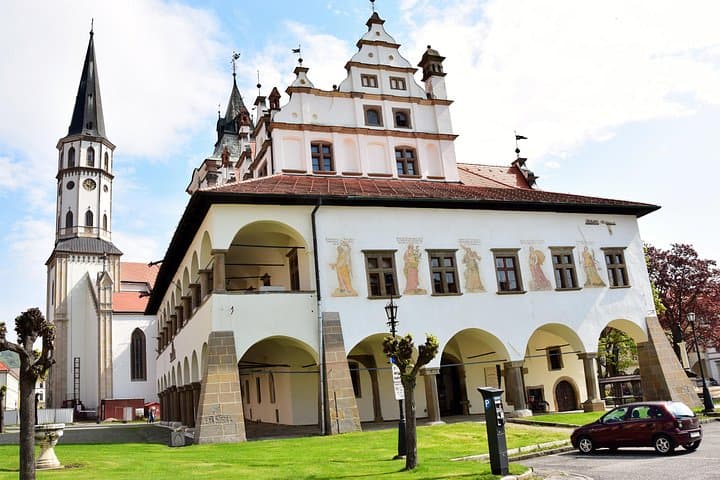
You step off the air-conditioned van into a town square where stone merchants' houses lean in conversation and a cathedral bell counts your arrival. Kosice unfolds like a living museum — Gothic and Art Nouveau façades, cafés spilling onto cobbles, and St. Elisabeth Cathedral’s tower daring you to climb for a rooftop view of eastern Slovakia.
Verified experiences and guided adventures in the surrounding area.
Operated by Experience Slovakia · Košice, Košice Region
You step off the air-conditioned van into a town square where stone merchants' houses lean in conversation and a cathedral bell counts your arrival. Kosice unfolds like a living museum — Gothic and Art Nouveau façades, cafés spilling onto cobbles, and St. Elisabeth Cathedral’s tower daring you to climb for a rooftop view of eastern Slovakia.
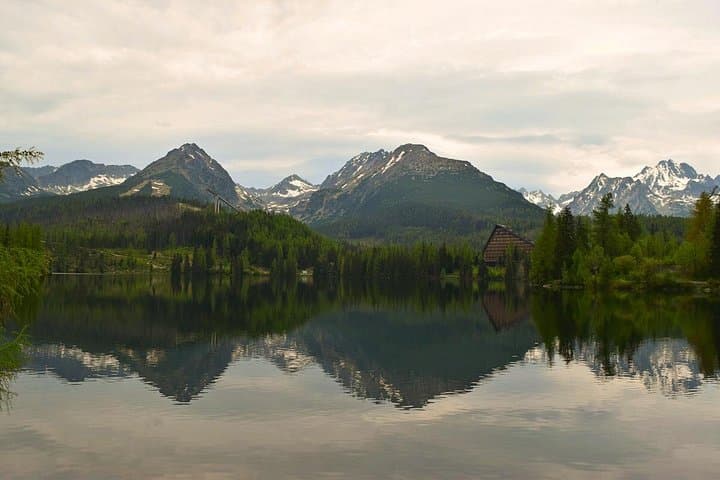
Over seven days the landscape keeps changing as if someone is turning pages in a geography book. Medieval Levoca sits behind intact town walls; Spis Castle perches on limestone ridges, one of central Europe’s largest castle ruins with battlements that have watched borders shift since the 12th century. The High Tatras cut a jagged silhouette to the north: Štrbské pleso, a glacial lake at about 1,346 m elevation, reflects peaks that push weather and hikers alike. Dobšinská Ice Cave tells another story — 1,232 m of passages and 112 m of ice-carved chambers where concert halls once hosted monarchs.
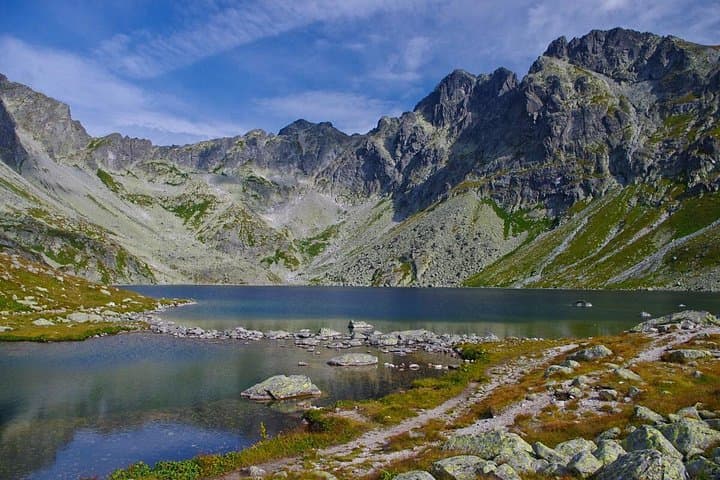
History and geology are woven. The Spiš region was a medieval crossroads in the Hungarian Kingdom; its sandstone escarpments held castles and clerical centers (Kapitula), shaping trade and faith. The Tatras are a young fold of crystalline rock; glacial action hollowed basins like Štrbské pleso and left moraine ridges that guide hiking routes. Local culture remains tactile: folk woodcarving, ecclesiastical complexes, and distilling traditions — Nestville Park revives 18th-century craft alongside modern single-malt experiments.
Practical rhythm: expect a mix of easy urban walking and short nature hikes. Daily driving connects towns — most full days include multiple stops and 30–90 minute walks at sites. The Tatra Electric Railway is used for ecological transit between mountain villages; the Dunajec boat trip in Pieniny is a slow wooden-boat descent through limestone gorges that rewards patience with photo-perfect river curves.
What to prepare: layered clothing for variable mountain weather, sturdy shoes for cobbles and cave steps, and a warm mid-layer for the ice cave where temperatures stay near freezing. Carry reusable water and small cash (EUR) for entrances, snacks, and market purchases in villages. Bring a passport — UNESCO sites and some historic complexes require ID for tickets and registration asks for passport details. Travel is private and small-group; pick-up from Kosice or Poprad can be arranged.
The tour is measured, not rushed: castle ruins that invite exploration, mountain vistas that demand a pause, churches where local craftsmen left their mark. It’s a week shaped by history and geology, serviced by quiet roads and patient rivers, for travelers who want structure and room to notice.
Tours run for 2–4 people with private transport; pickup from Košice or Poprad airports, train stations, or hotels is arranged after booking.
Accommodation and breakfast are included; some site entrance fees are not included—bring cash for local tickets and optional extras.
It mixes easy urban walking with short hikes and trails up to 90 minutes; no technical skills required but comfortable footwear and basic fitness are recommended.
Yes—Dobšinská Ice Cave stays near freezing; bring warm layers and expect icy steps.
Infant seats are available and the itinerary is family-friendly, but long travel days and cave stairs may be challenging for very young children.
Currency is the euro (EUR); Slovak is the primary language but English is commonly spoken in tourist centers.
Experience Slovakia operates guided outdoor trips and adventures with an emphasis on safety, stewardship, and memorable experiences.

You step off the air-conditioned van into a town square where stone merchants' houses lean in conversation and a cathedral bell counts your arrival. Kosice unfolds like a living museum — Gothic and Art Nouveau façades, cafés spilling onto cobbles, and St. Elisabeth Cathedral’s tower daring you to climb for a rooftop view of eastern Slovakia.
You step off the air-conditioned van into a town square where stone merchants' houses lean in conversation and a cathedral bell counts your arrival. Kosice unfolds like a living museum — Gothic and Art Nouveau façades, cafés spilling onto cobbles, and St. Elisabeth Cathedral’s tower daring you to climb for a rooftop view of eastern Slovakia.
Over seven days the landscape keeps changing as if someone is turning pages in a geography book. Medieval Levoca sits behind intact town walls; Spis Castle perches on limestone ridges, one of central Europe’s largest castle ruins with battlements that have watched borders shift since the 12th century. The High Tatras cut a jagged silhouette to the north: Štrbské pleso, a glacial lake at about 1,346 m elevation, reflects peaks that push weather and hikers alike. Dobšinská Ice Cave tells another story — 1,232 m of passages and 112 m of ice-carved chambers where concert halls once hosted monarchs.
History and geology are woven. The Spiš region was a medieval crossroads in the Hungarian Kingdom; its sandstone escarpments held castles and clerical centers (Kapitula), shaping trade and faith. The Tatras are a young fold of crystalline rock; glacial action hollowed basins like Štrbské pleso and left moraine ridges that guide hiking routes. Local culture remains tactile: folk woodcarving, ecclesiastical complexes, and distilling traditions — Nestville Park revives 18th-century craft alongside modern single-malt experiments.
Practical rhythm: expect a mix of easy urban walking and short nature hikes. Daily driving connects towns — most full days include multiple stops and 30–90 minute walks at sites. The Tatra Electric Railway is used for ecological transit between mountain villages; the Dunajec boat trip in Pieniny is a slow wooden-boat descent through limestone gorges that rewards patience with photo-perfect river curves.
What to prepare: layered clothing for variable mountain weather, sturdy shoes for cobbles and cave steps, and a warm mid-layer for the ice cave where temperatures stay near freezing. Carry reusable water and small cash (EUR) for entrances, snacks, and market purchases in villages. Bring a passport — UNESCO sites and some historic complexes require ID for tickets and registration asks for passport details. Travel is private and small-group; pick-up from Kosice or Poprad can be arranged.
The tour is measured, not rushed: castle ruins that invite exploration, mountain vistas that demand a pause, churches where local craftsmen left their mark. It’s a week shaped by history and geology, serviced by quiet roads and patient rivers, for travelers who want structure and room to notice.