THE ADVENTURE COLLECTIVE® · Independent discovery and booking for outdoor travel

Trace Egypt’s millennia: start in Cairo, cruise the Nile past palm-fringed shores, and stand under Abu Simbel’s monumental colossi. This 7-day mix of city, river and temples pairs relaxed cruising with daily archaeological exploration.
Trace Egypt’s millennia: start in Cairo, cruise the Nile past palm-fringed shores, and stand under Abu Simbel’s monumental colossi. This 7-day mix of city, river and temples pairs relaxed cruising with daily archaeological exploration.
You arrive to Cairo through a wash of sunlight and dust; minarets puncture the skyline while the Nile slips quietly through the city. By day two you’re standing before the Pyramids at Giza, their weathered limestone faces daring you to imagine millennia of labor. Midweek the cruise slips south — palm-lined banks, fishermen in wooden feluccas and the slow, hypnotic rhythm of the river guiding you toward Aswan and the colossal twin temples of Abu Simbel.
Verified experiences and guided adventures in the surrounding area.
Operated by Go Tours Egypt · Cairo, Cairo
You arrive to Cairo through a wash of sunlight and dust; minarets puncture the skyline while the Nile slips quietly through the city. By day two you’re standing before the Pyramids at Giza, their weathered limestone faces daring you to imagine millennia of labor. Midweek the cruise slips south — palm-lined banks, fishermen in wooden feluccas and the slow, hypnotic rhythm of the river guiding you toward Aswan and the colossal twin temples of Abu Simbel.
This route threads Egypt’s layered past: Old Kingdom stonecutters at Saqqara, New Kingdom pharaohs in the Valley of the Kings, Ptolemaic priests at Kom Ombo, and Roman influences at Edfu. Geologically the Nile carved its floodplain from alluvium washed down from the Ethiopian Highlands, creating the narrow, fertile corridor that sustained ancient civilizations and concentrated monumental architecture along its banks.
Culturally expect market barters, mosque calls to prayer, and the slow hospitality of river towns. Local guides — often Egyptologists — translate hieroglyphs into narratives of power, faith and engineering.
Practical guidance: book early-morning temple visits to avoid heat and crowds; carry a reusable water bottle and electrolytes; wear closed, cushioned shoes for uneven stone and sand; modest clothing is required at religious sites. Flights between Cairo, Aswan and Luxor are included, but plan for airport transfer times. Bring photocopies of your passport and a small supply of Egyptian pounds for tips and local purchases. Expect easy-to-moderate daily activity: lots of walking, several short drives, and staired temple interiors. With basic fitness and sensible packing, this itinerary combines effortless river cruising with intensive cultural exploration.
Yes — domestic flights (Cairo–Aswan and Luxor–Cairo) are included as part of the itinerary.
Most nationalities require a visa; check Egypt’s current e-visa rules and ensure your passport has at least six months validity from travel dates.
The tour notes wheelchair-accessible options, but many archaeological sites have uneven terrain and steps; contact the operator in advance to confirm arrangements.
Go Tours Egypt operates guided outdoor trips and adventures with an emphasis on safety, stewardship, and memorable experiences.
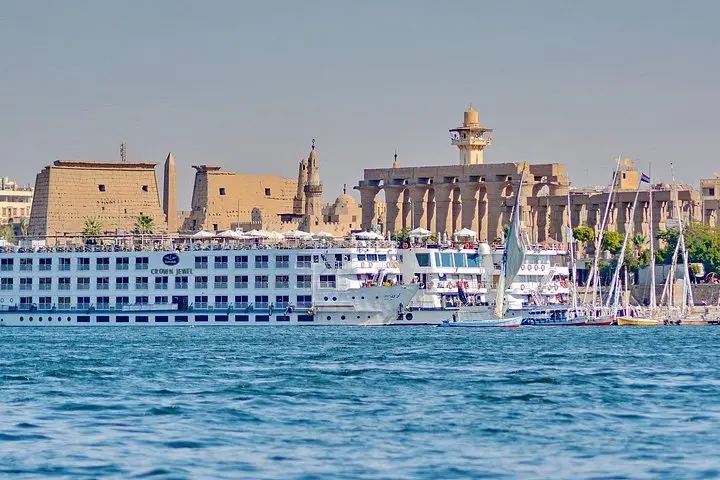
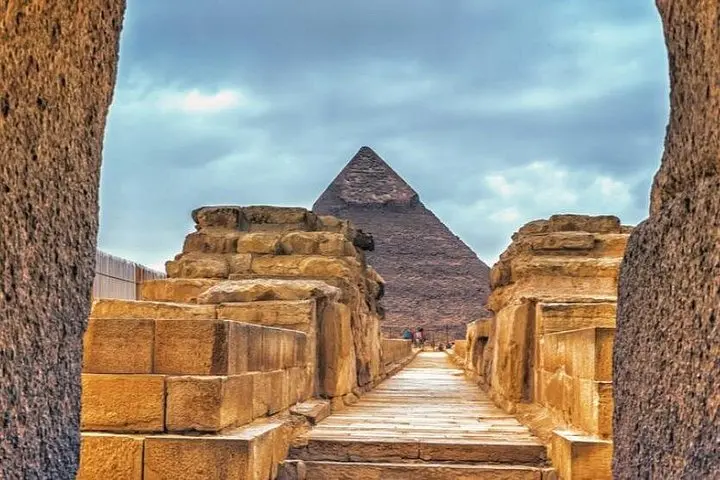
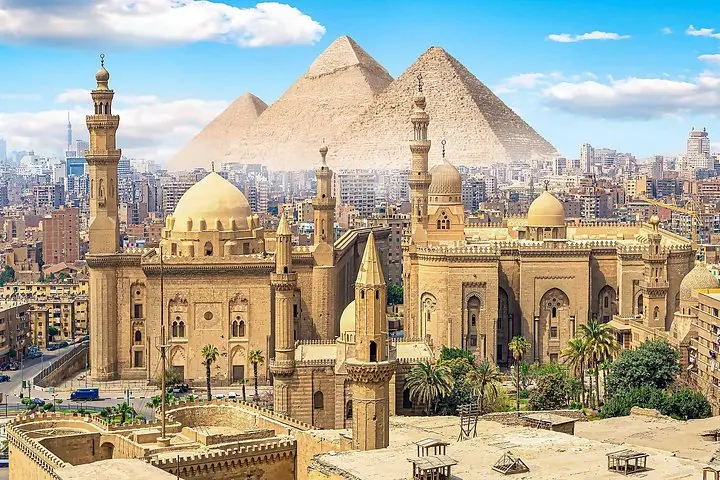
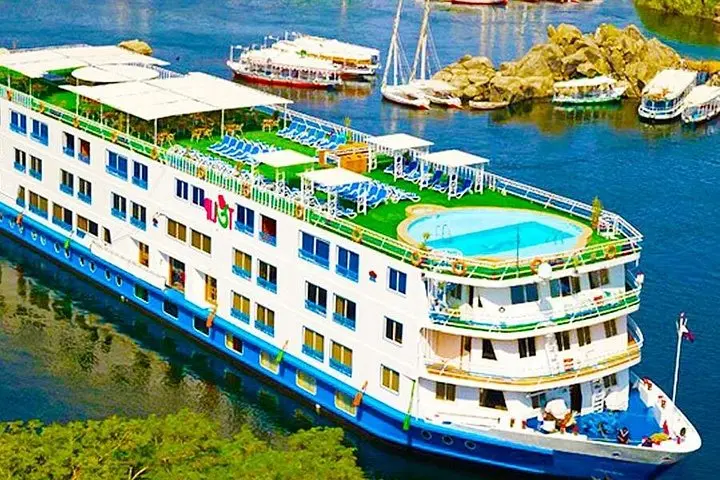
You arrive to Cairo through a wash of sunlight and dust; minarets puncture the skyline while the Nile slips quietly through the city. By day two you’re standing before the Pyramids at Giza, their weathered limestone faces daring you to imagine millennia of labor. Midweek the cruise slips south — palm-lined banks, fishermen in wooden feluccas and the slow, hypnotic rhythm of the river guiding you toward Aswan and the colossal twin temples of Abu Simbel.
You arrive to Cairo through a wash of sunlight and dust; minarets puncture the skyline while the Nile slips quietly through the city. By day two you’re standing before the Pyramids at Giza, their weathered limestone faces daring you to imagine millennia of labor. Midweek the cruise slips south — palm-lined banks, fishermen in wooden feluccas and the slow, hypnotic rhythm of the river guiding you toward Aswan and the colossal twin temples of Abu Simbel.
This route threads Egypt’s layered past: Old Kingdom stonecutters at Saqqara, New Kingdom pharaohs in the Valley of the Kings, Ptolemaic priests at Kom Ombo, and Roman influences at Edfu. Geologically the Nile carved its floodplain from alluvium washed down from the Ethiopian Highlands, creating the narrow, fertile corridor that sustained ancient civilizations and concentrated monumental architecture along its banks.
Culturally expect market barters, mosque calls to prayer, and the slow hospitality of river towns. Local guides — often Egyptologists — translate hieroglyphs into narratives of power, faith and engineering.
Practical guidance: book early-morning temple visits to avoid heat and crowds; carry a reusable water bottle and electrolytes; wear closed, cushioned shoes for uneven stone and sand; modest clothing is required at religious sites. Flights between Cairo, Aswan and Luxor are included, but plan for airport transfer times. Bring photocopies of your passport and a small supply of Egyptian pounds for tips and local purchases. Expect easy-to-moderate daily activity: lots of walking, several short drives, and staired temple interiors. With basic fitness and sensible packing, this itinerary combines effortless river cruising with intensive cultural exploration.