THE ADVENTURE COLLECTIVE® · Independent discovery and booking for outdoor travel

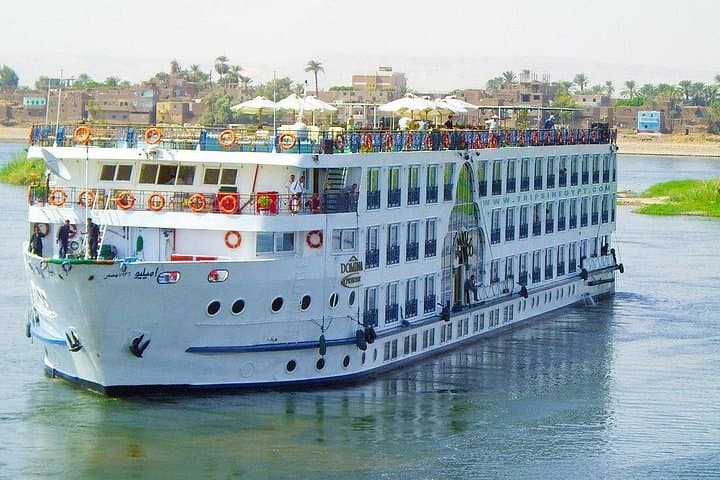
A compact, seven-day loop from Cairo that pairs the Giza Plateau and Grand Egyptian Museum with a five-star Nile cruise between Aswan and Luxor—and an optional early-morning pilgrimage to Abu Simbel. Expect early starts, river sailing, and consecutive days of temple-heavy touring.
A compact, seven-day loop from Cairo that pairs the Giza Plateau and Grand Egyptian Museum with a five-star Nile cruise between Aswan and Luxor—and an optional early-morning pilgrimage to Abu Simbel. Expect early starts, river sailing, and consecutive days of temple-heavy touring.
You step off the plane at Cairo airport and the city’s heat greets you like a quick shove; within hours you can be standing on the Giza Plateau with the stones that shaped civilization looming above.
Verified experiences and guided adventures in the surrounding area.
Operated by Pyramids Planet Tours · Cairo, Cairo Governorate
You step off the plane at Cairo airport and the city’s heat greets you like a quick shove; within hours you can be standing on the Giza Plateau with the stones that shaped civilization looming above.
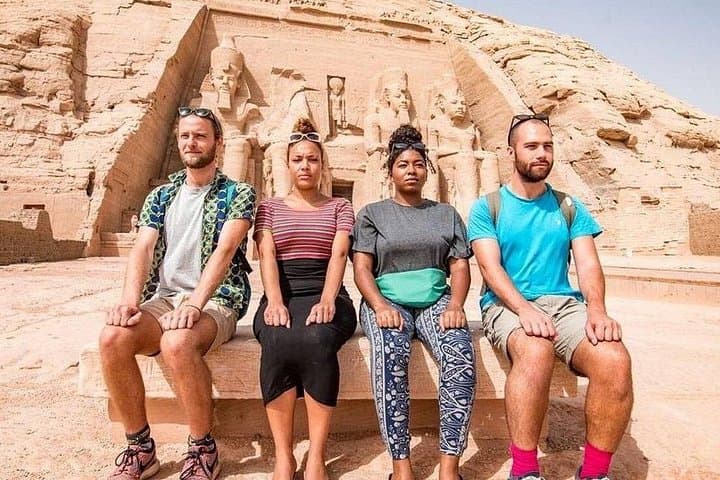
This seven-day loop stitches modern Cairo to the slow, steady current of the Nile. From the pyramids and the Grand Egyptian Museum to the high dam at Aswan, the cruise corridor between Aswan and Luxor exposes layers of geology—riverine silt carving a green ribbon through desert rock—and history: pharaonic tombs, temple pylons, and the relocation of Abu Simbel in the 1960s when rising waters threatened its future.
Culturally, expect a mixture of bustling city markets, polite negotiating, and the quieter rhythms of river life—feluccas sweeping past while cruise decks hum with late-afternoon repairs. Guides will narrate funerary practices at the Valley of the Kings, the military-era engineering behind the Aswan High Dam, and local Nubian traditions still visible near Aswan’s islands.
Practical guidance: pace your days—most major sites are best at first light to avoid heat and crowds. Bring breathable layers for hot days and cool nights, sturdy shoes for uneven temple steps, and a refillable water bottle; bottled water is readily available but conserve plastic when you can. Keep small notes of Egyptian pounds for markets and tips, and confirm what admissions are covered before you travel. Expect early departures for Abu Simbel and two overnight sleeper-train segments—comfort varies, so pack earplugs and a compact sleep kit. With sensible planning, this itinerary is an efficient, immersive way to let the Nile dare you into Egypt’s oldest stories.
Most nationalities require a visa; some can obtain an e-Visa in advance while others get a visa on arrival—check Egypt’s official visa guidance for your passport before travel.
Abu Simbel is listed as a guided day trip option and typically departs very early (around 4:30 AM) due to distance from Aswan—confirm inclusion when you book and expect a long but rewarding day.
This tour includes guided visits but many itineraries exclude some entrance fees (e.g., tombs, special museum exhibits); verify the booking details so you can budget accordingly.
Sleeper trains provide basic private compartments with dinner and breakfast; they are functional rather than luxurious—bring a small sleep kit and be prepared for variable comfort.
Pyramids Planet Tours operates guided outdoor trips and adventures with an emphasis on safety, stewardship, and memorable experiences.


You step off the plane at Cairo airport and the city’s heat greets you like a quick shove; within hours you can be standing on the Giza Plateau with the stones that shaped civilization looming above.
You step off the plane at Cairo airport and the city’s heat greets you like a quick shove; within hours you can be standing on the Giza Plateau with the stones that shaped civilization looming above.
This seven-day loop stitches modern Cairo to the slow, steady current of the Nile. From the pyramids and the Grand Egyptian Museum to the high dam at Aswan, the cruise corridor between Aswan and Luxor exposes layers of geology—riverine silt carving a green ribbon through desert rock—and history: pharaonic tombs, temple pylons, and the relocation of Abu Simbel in the 1960s when rising waters threatened its future.
Culturally, expect a mixture of bustling city markets, polite negotiating, and the quieter rhythms of river life—feluccas sweeping past while cruise decks hum with late-afternoon repairs. Guides will narrate funerary practices at the Valley of the Kings, the military-era engineering behind the Aswan High Dam, and local Nubian traditions still visible near Aswan’s islands.
Practical guidance: pace your days—most major sites are best at first light to avoid heat and crowds. Bring breathable layers for hot days and cool nights, sturdy shoes for uneven temple steps, and a refillable water bottle; bottled water is readily available but conserve plastic when you can. Keep small notes of Egyptian pounds for markets and tips, and confirm what admissions are covered before you travel. Expect early departures for Abu Simbel and two overnight sleeper-train segments—comfort varies, so pack earplugs and a compact sleep kit. With sensible planning, this itinerary is an efficient, immersive way to let the Nile dare you into Egypt’s oldest stories.