THE ADVENTURE COLLECTIVE® · Independent discovery and booking for outdoor travel
Compress a classic Everest circuit into seven days: Lukla flights, Namche’s cultural pulse, Tengboche’s monastery, a walk to Everest Base Camp, and a helicopter return to Kathmandu. Expect high-altitude terrain, basic teahouse nights, and spectacular glacier views.
Compress a classic Everest circuit into seven days: Lukla flights, Namche’s cultural pulse, Tengboche’s monastery, a walk to Everest Base Camp, and a helicopter return to Kathmandu. Expect high-altitude terrain, basic teahouse nights, and spectacular glacier views.
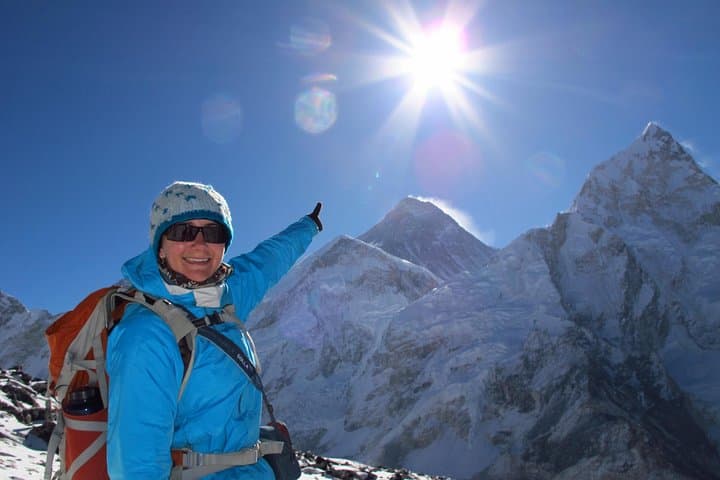
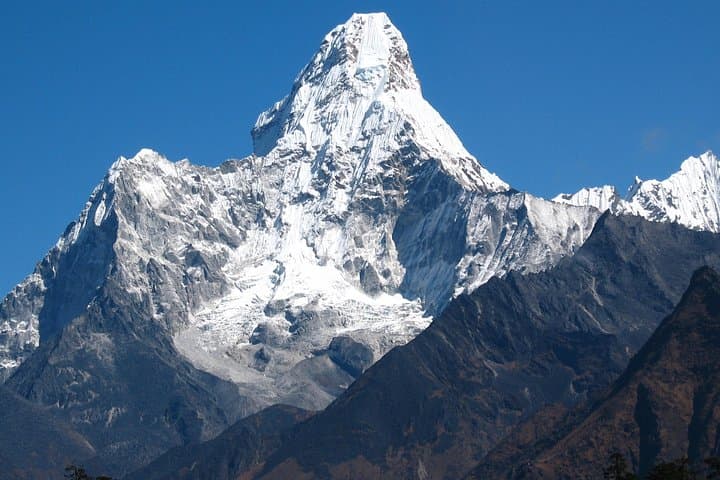
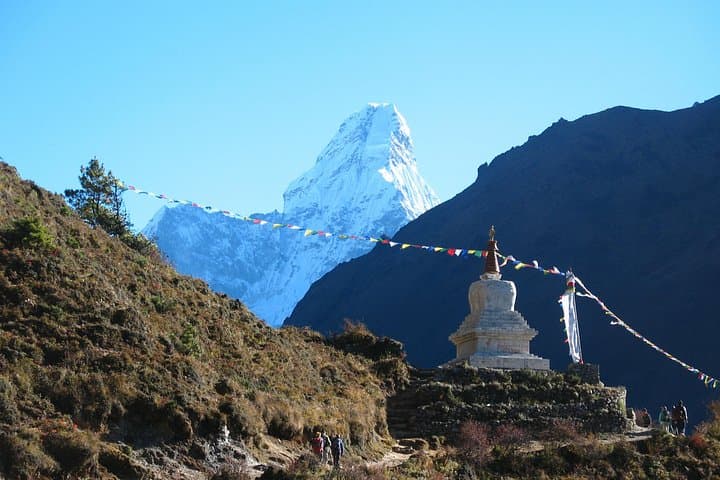
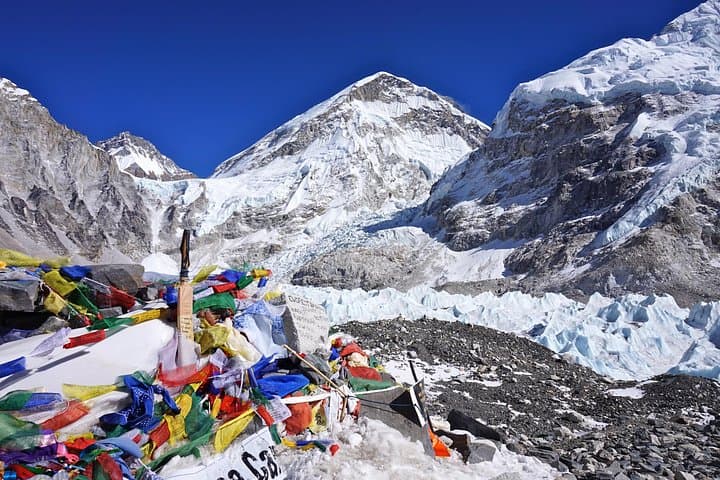
The wind on Kala Patthar cuts with a purpose: thin, cold air that clarifies the world until every serrated ridge reads like a topographic line on paper. You leave Kathmandu at dawn, squeeze into a short mountain flight to Lukla, and step immediately into a landscape that moves from rhododendron groves to prayer-flagged ridgelines and finally to the iron-grey moraine fields below Everest.
Verified experiences and guided adventures in the surrounding area.
Operated by Himalayan Mentor · Gorakshep, Province No. 1
The wind on Kala Patthar cuts with a purpose: thin, cold air that clarifies the world until every serrated ridge reads like a topographic line on paper. You leave Kathmandu at dawn, squeeze into a short mountain flight to Lukla, and step immediately into a landscape that moves from rhododendron groves to prayer-flagged ridgelines and finally to the iron-grey moraine fields below Everest.
This seven-day itinerary tracks classic Sherpa country and mountaineering history — Namche Bazaar’s trade routes, Tengboche’s monastery perched above the valley, and the glacier-strewn approach to Gorakshep and Everest Base Camp (5,364 m). Geologically you cross young Himalayan uplift: steep valley walls, active glacial moraine, and the Imja Khola gorge that thunders beneath suspension bridges.
Expect daily hiking of 3–6 hours with steady altitude gain: Phakding (~2,600 m) to Namche (3,500 m) to Tengboche (3,870 m) and onward to Lobuche, Gorakshep and Kala Patthar (5,545 m) for sunrise views. Tea houses provide basic lodgings and meals; permits and Sagarmatha National Park fees are required. The heli return from Gorakshep to Kathmandu shortens descent risk but is weather-dependent — visibility and rotor winds dictate flights.
Practical edge: hydrate early, pace for acclimatization on ascents, and carry layered insulation for sub-zero mornings. Sturdy boots and poles make moraine and scree manageable; bring cash for lodge meals and tips. This route compresses classic Everest-country highlights into a week, trading a traditional two-way walk for a helicopter-assisted descent — it’s intense, alpine, and utterly direct.
Yes — Sagarmatha National Park entry and TIMS/trekking permits are required for this route; organizers usually handle paperwork before departure.
Lukla flights are short but weather-dependent; mornings are best but cancellations are common during poor visibility or high winds.
Helicopter flights from Gorakshep are subject to weather and operational limits; operators will schedule a shared flight but delays can occur for safety reasons.
Nightly lodgings are tea-house style: basic beds, shared bathrooms, and simple cooked meals; hot showers and charging can cost extra.
Himalayan Mentor operates guided outdoor trips and adventures with an emphasis on safety, stewardship, and memorable experiences.
The wind on Kala Patthar cuts with a purpose: thin, cold air that clarifies the world until every serrated ridge reads like a topographic line on paper. You leave Kathmandu at dawn, squeeze into a short mountain flight to Lukla, and step immediately into a landscape that moves from rhododendron groves to prayer-flagged ridgelines and finally to the iron-grey moraine fields below Everest.
The wind on Kala Patthar cuts with a purpose: thin, cold air that clarifies the world until every serrated ridge reads like a topographic line on paper. You leave Kathmandu at dawn, squeeze into a short mountain flight to Lukla, and step immediately into a landscape that moves from rhododendron groves to prayer-flagged ridgelines and finally to the iron-grey moraine fields below Everest.
This seven-day itinerary tracks classic Sherpa country and mountaineering history — Namche Bazaar’s trade routes, Tengboche’s monastery perched above the valley, and the glacier-strewn approach to Gorakshep and Everest Base Camp (5,364 m). Geologically you cross young Himalayan uplift: steep valley walls, active glacial moraine, and the Imja Khola gorge that thunders beneath suspension bridges.
Expect daily hiking of 3–6 hours with steady altitude gain: Phakding (~2,600 m) to Namche (3,500 m) to Tengboche (3,870 m) and onward to Lobuche, Gorakshep and Kala Patthar (5,545 m) for sunrise views. Tea houses provide basic lodgings and meals; permits and Sagarmatha National Park fees are required. The heli return from Gorakshep to Kathmandu shortens descent risk but is weather-dependent — visibility and rotor winds dictate flights.
Practical edge: hydrate early, pace for acclimatization on ascents, and carry layered insulation for sub-zero mornings. Sturdy boots and poles make moraine and scree manageable; bring cash for lodge meals and tips. This route compresses classic Everest-country highlights into a week, trading a traditional two-way walk for a helicopter-assisted descent — it’s intense, alpine, and utterly direct.
