THE ADVENTURE COLLECTIVE® · Independent discovery and booking for outdoor travel

From the climbing ironwork of Sigiriya to the misted tea slopes of Nuwara Eliya and the leopard-filled scrub of Yala, this seven-day loop condenses Sri Lanka’s culture, geology and wildlife into one memorable itinerary. Expect ancient ruins, a famous hill-country train and plenty of practical tips to plan your trip.
From the climbing ironwork of Sigiriya to the misted tea slopes of Nuwara Eliya and the leopard-filled scrub of Yala, this seven-day loop condenses Sri Lanka’s culture, geology and wildlife into one memorable itinerary. Expect ancient ruins, a famous hill-country train and plenty of practical tips to plan your trip.
A humid morning light pins the last stars to the pinnacles of Sigiriya as the van rolls away from the coast. The driver navigates a ribbon of road that climbs through paddy fields and coconut palms; by midday the air tastes of earth and boiling tea. Over seven days this loop moves inland and upward — a compact cross-section of Sri Lanka: ancient citadels, colonial highlands, an iconic rail journey and a southern coast alive with turtles and leopards.
Verified experiences and guided adventures in the surrounding area.
Operated by Awesome Lanka Travels · Sigiriya, Central Province
A humid morning light pins the last stars to the pinnacles of Sigiriya as the van rolls away from the coast. The driver navigates a ribbon of road that climbs through paddy fields and coconut palms; by midday the air tastes of earth and boiling tea. Over seven days this loop moves inland and upward — a compact cross-section of Sri Lanka: ancient citadels, colonial highlands, an iconic rail journey and a southern coast alive with turtles and leopards.
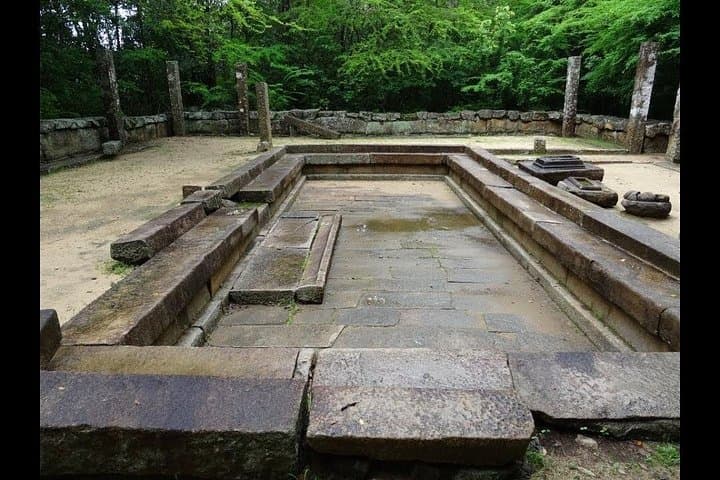
Sigiriya’s fortress rises sheer from the flat plain — a 200-meter rock whose iron stairways and fresco galleries still hum with ancient ambition. Nearby Polonnaruwa spreads out with its stone Buddhas and irrigation tanks: a reminder that Sri Lanka’s engineers were as interested in water management as in sculpture. The island’s center is a geological drama of uplift and erosion; the central hills that host Nuwara Eliya and Ella were formed as plate forces folded old sediments, creating cooler climates and soils that made tea an industry during British rule.
Culture threads through the trip. Kandy’s Temple of the Tooth anchors contemporary Buddhist practice; tea estates around Nuwara Eliya tell a layered story of colonial labor and local resilience. In the south, Tissamaharama and Yala turn attention to wildlife—elephants ambling past lagoons, and leopards that shade themselves under thorn scrub, visible if luck and a good guide align.
Practical guidance matters here. Pack for variety: lowland heat, misty highlands and the dry scrub of Yala. Expect a series of short drives rather than long highways—the train to Ella is the standout transit piece, a four-hour window of cloud-draped valleys and steep terraces best enjoyed from an open carriage window. Climbs are generally short but steep: Sigiriya involves metal steps and roughly 1,200 risers; Little Adam’s Peak is a 45–60 minute, 200–300 m ascent over rock and packed earth.
Timing can be everything. Start the archaeological sites early to avoid both heat and crowds; book the Yala safari at first light when leopards are most active. Hydrate constantly and carry a lightweight rain layer—monsoon squalls appear suddenly. Respect temple etiquette (cover shoulders and knees, remove shoes) and ask guides about local conservation projects, such as turtle hatchery visits near the southern beaches.
Logistics are straightforward: the tour includes private transport, on-board Wi‑Fi and hotel pickup options. Bring insect repellent for evenings, small bills for tips at guest houses, and a power bank for long photo days. Travel here rewards curiosity: history on stone, a railway that feels like a camera reel, and wild places that still dare you to look closer.
Major sites like Sigiriya and national parks sell entrance tickets on-site but can be busy; your operator can arrange or advise advance bookings for park safaris to secure preferred times.
Sigiriya involves steep metal staircases and about 200 m of elevation gain—moderate fitness and careful footwear recommended; Little Adam's Peak is less demanding (45–60 minutes) on well-trodden paths.
The itinerary is flexible and listed as accessible for various fitness levels, but stairs, uneven ground and safari bumpy rides may be challenging—check specific mobility needs with the operator.
Sri Lankan rupee (LKR) is standard; small tips for guides and drivers are appreciated—about 200–500 LKR per person per day is common for service staff.
Some coastal conservation centers offer supervised release programs; always confirm with the guide for legal, ethical experiences and to avoid disturbing nesting sites.
Yala is one of the best places to spot leopards, but sightings aren’t guaranteed—early morning safaris with experienced drivers increase your chances.
Awesome Lanka Travels operates guided outdoor trips and adventures with an emphasis on safety, stewardship, and memorable experiences.
A humid morning light pins the last stars to the pinnacles of Sigiriya as the van rolls away from the coast. The driver navigates a ribbon of road that climbs through paddy fields and coconut palms; by midday the air tastes of earth and boiling tea. Over seven days this loop moves inland and upward — a compact cross-section of Sri Lanka: ancient citadels, colonial highlands, an iconic rail journey and a southern coast alive with turtles and leopards.
A humid morning light pins the last stars to the pinnacles of Sigiriya as the van rolls away from the coast. The driver navigates a ribbon of road that climbs through paddy fields and coconut palms; by midday the air tastes of earth and boiling tea. Over seven days this loop moves inland and upward — a compact cross-section of Sri Lanka: ancient citadels, colonial highlands, an iconic rail journey and a southern coast alive with turtles and leopards.
Sigiriya’s fortress rises sheer from the flat plain — a 200-meter rock whose iron stairways and fresco galleries still hum with ancient ambition. Nearby Polonnaruwa spreads out with its stone Buddhas and irrigation tanks: a reminder that Sri Lanka’s engineers were as interested in water management as in sculpture. The island’s center is a geological drama of uplift and erosion; the central hills that host Nuwara Eliya and Ella were formed as plate forces folded old sediments, creating cooler climates and soils that made tea an industry during British rule.
Culture threads through the trip. Kandy’s Temple of the Tooth anchors contemporary Buddhist practice; tea estates around Nuwara Eliya tell a layered story of colonial labor and local resilience. In the south, Tissamaharama and Yala turn attention to wildlife—elephants ambling past lagoons, and leopards that shade themselves under thorn scrub, visible if luck and a good guide align.
Practical guidance matters here. Pack for variety: lowland heat, misty highlands and the dry scrub of Yala. Expect a series of short drives rather than long highways—the train to Ella is the standout transit piece, a four-hour window of cloud-draped valleys and steep terraces best enjoyed from an open carriage window. Climbs are generally short but steep: Sigiriya involves metal steps and roughly 1,200 risers; Little Adam’s Peak is a 45–60 minute, 200–300 m ascent over rock and packed earth.
Timing can be everything. Start the archaeological sites early to avoid both heat and crowds; book the Yala safari at first light when leopards are most active. Hydrate constantly and carry a lightweight rain layer—monsoon squalls appear suddenly. Respect temple etiquette (cover shoulders and knees, remove shoes) and ask guides about local conservation projects, such as turtle hatchery visits near the southern beaches.
Logistics are straightforward: the tour includes private transport, on-board Wi‑Fi and hotel pickup options. Bring insect repellent for evenings, small bills for tips at guest houses, and a power bank for long photo days. Travel here rewards curiosity: history on stone, a railway that feels like a camera reel, and wild places that still dare you to look closer.