THE ADVENTURE COLLECTIVE® · Independent discovery and booking for outdoor travel

A seven-day circuit of the Faroe Islands that balances dramatic coastal scenery, seabird cliffs, and small-village culture. Ideal for travelers who want accessible hikes, guided history, and daily boat or coach travel between islands.
A seven-day circuit of the Faroe Islands that balances dramatic coastal scenery, seabird cliffs, and small-village culture. Ideal for travelers who want accessible hikes, guided history, and daily boat or coach travel between islands.
You step off the ferry and the wind in the Faroes immediately feels like an honest thing — brisk, insistent, carrying salt and peat smoke. Over seven days this tour threads you through island roads carved between sea and mountain, drops you at cliff edges where bird colonies wheel like living weather, and stops in villages where turf roofs hold stories older than the roads.
Verified experiences and guided adventures in the surrounding area.
Operated by ARAGO TRAVELS · Tórshavn, Streymoy
You step off the ferry and the wind in the Faroes immediately feels like an honest thing — brisk, insistent, carrying salt and peat smoke. Over seven days this tour threads you through island roads carved between sea and mountain, drops you at cliff edges where bird colonies wheel like living weather, and stops in villages where turf roofs hold stories older than the roads.
Geology here is blunt and recent: basalt layers, glacially carved fjords, and sea stacks punched from volcanic rock. Human history is compact but rugged — Norse settlers, hardy fishing communities, and a culture shaped around boats, sheep, and seasonal harvests. Guides on the trip point out sites like Gjógv’s gorge, the Múlafossur waterfall plunging toward the Atlantic, and the carved cairns that mark old sheep paths.
Expect a steady rhythm of coach transfers, short hikes, coastal viewpoints, and boat excursions into bird cliffs. Nature has agency: currents push boats into sea caves, cliffs dare you to look down, and seabird colonies claim the sky. Cultural stops include turf-roof churches, a wool shop for Faroese knitwear, and small cafés serving local fish and rhubarb treats.
Practical guide: pack layered waterproofs, stiff-soled boots, and a small daypack; ferry and tunnel crossings are frequent and schedules shift with weather. Plan for variable daylight depending on season, bring binoculars for puffins and guillemots, and allow extra time for photography — the landscape refuses to be rushed.
Most walks are short to moderate (30–90 minutes) with some optional steeper viewpoints like Trælanípan; the itinerary is designed for general fitness and includes hotel nights between excursions.
Yes — boat trips such as the Vestmanna cliffs cruise are included but can be cancelled or rescheduled in rough seas; guides will provide alternatives if needed.
Waterproof layers, warm mid-layers, sturdy boots, a hat and gloves in shoulder seasons, and a small daypack; quick-dry clothing is useful for damp conditions.
The tour welcomes solo travelers and families; infants must sit on laps for transfers, and the overall pace suits mixed groups with varied fitness levels.
ARAGO TRAVELS operates guided outdoor trips and adventures with an emphasis on safety, stewardship, and memorable experiences.


You step off the ferry and the wind in the Faroes immediately feels like an honest thing — brisk, insistent, carrying salt and peat smoke. Over seven days this tour threads you through island roads carved between sea and mountain, drops you at cliff edges where bird colonies wheel like living weather, and stops in villages where turf roofs hold stories older than the roads.
You step off the ferry and the wind in the Faroes immediately feels like an honest thing — brisk, insistent, carrying salt and peat smoke. Over seven days this tour threads you through island roads carved between sea and mountain, drops you at cliff edges where bird colonies wheel like living weather, and stops in villages where turf roofs hold stories older than the roads.
Geology here is blunt and recent: basalt layers, glacially carved fjords, and sea stacks punched from volcanic rock. Human history is compact but rugged — Norse settlers, hardy fishing communities, and a culture shaped around boats, sheep, and seasonal harvests. Guides on the trip point out sites like Gjógv’s gorge, the Múlafossur waterfall plunging toward the Atlantic, and the carved cairns that mark old sheep paths.
Expect a steady rhythm of coach transfers, short hikes, coastal viewpoints, and boat excursions into bird cliffs. Nature has agency: currents push boats into sea caves, cliffs dare you to look down, and seabird colonies claim the sky. Cultural stops include turf-roof churches, a wool shop for Faroese knitwear, and small cafés serving local fish and rhubarb treats.
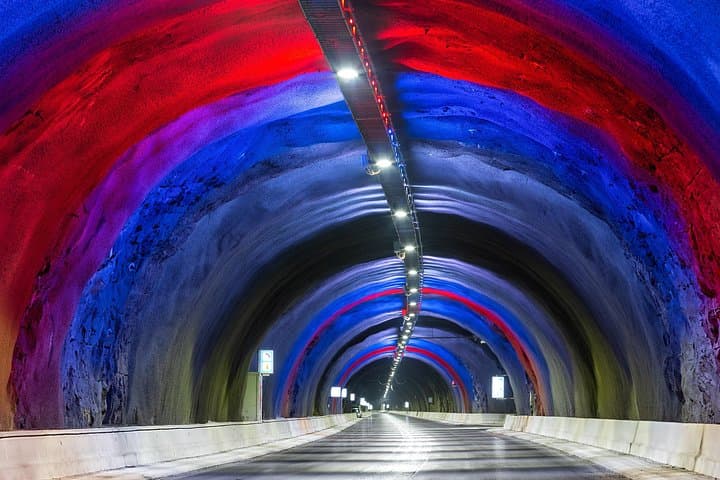
Practical guide: pack layered waterproofs, stiff-soled boots, and a small daypack; ferry and tunnel crossings are frequent and schedules shift with weather. Plan for variable daylight depending on season, bring binoculars for puffins and guillemots, and allow extra time for photography — the landscape refuses to be rushed.