THE ADVENTURE COLLECTIVE® · Independent discovery and booking for outdoor travel

A week-long private circuit from Accra to the Ashanti kingdom and the Cape Coast, blending markets, craft workshops, damlands and solemn castle tours. Expect hands-on cultural encounters, short hikes, and coastal history packed into a paced seven-day route.
A week-long private circuit from Accra to the Ashanti kingdom and the Cape Coast, blending markets, craft workshops, damlands and solemn castle tours. Expect hands-on cultural encounters, short hikes, and coastal history packed into a paced seven-day route.
Arrival in Accra feels like stepping into a city that talks and walks — markets humming, tro-tros threading traffic, and the Atlantic air nudging you toward the coast.
Verified experiences and guided adventures in the surrounding area.
Operated by Pridor Plus Tours · Accra, Greater Accra Region
Arrival in Accra feels like stepping into a city that talks and walks — markets humming, tro-tros threading traffic, and the Atlantic air nudging you toward the coast.
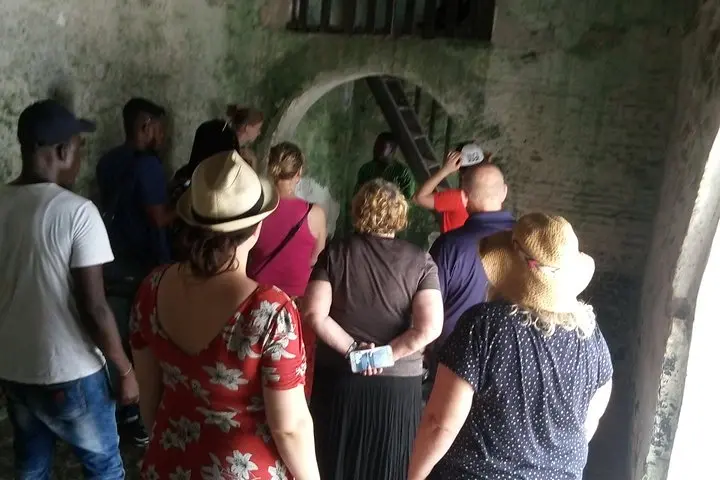
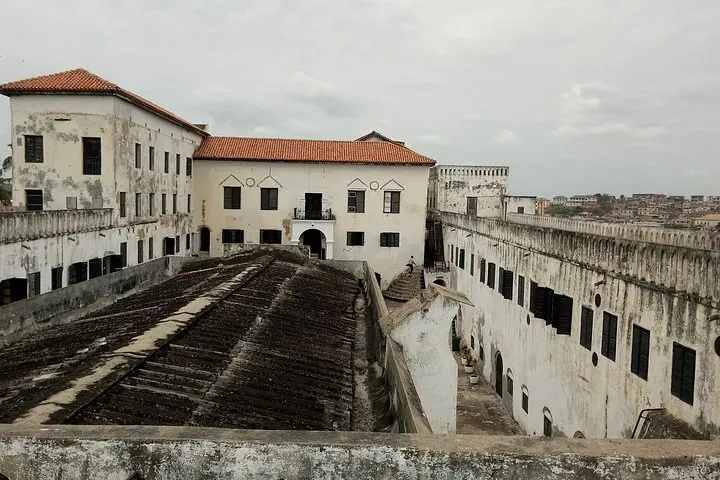
Over seven days this private tour moves from the capital’s busiest open market to the hydroelectric heart at Akosombo, then inland to Kumasi’s weaving workshops before following the coast to Elmina and Kakum. Along the way geological contrasts are clear: the coastal plain’s sandy soils give way to the forested hills of the central region and exposed rock outcrops around Kumasi. Ghana’s history is present at every stop — from Ashanti royal artifacts and kente looms to the searing rooms of Cape Coast Castle where memory and architecture collide.
Culturally the trip pairs hands-on craft sessions (kente weaving, Adinkra stamping) with reflective visits to museums and slave castles; local guides translate context and ceremony into plain language. Wildlife appears in pockets — monkeys and baboons around Akosombo and small reserves — while rivers and the Volta dam assert themselves, sometimes playful in the sun, sometimes brooding in rain.
Practical guidance: bring a lightweight rain shell and breathable layers, carry Ghana cedi cash for markets, and pace yourself — days alternate active walking and seated transfers. Respect memorial sites by following guide instructions and dressing modestly. Hydrate in the heat, use sunscreen and insect repellent in forested areas, and allow extra time for market bargaining and photo stops. This itinerary suits travelers who want cultural depth, manageable activity, and the option to pause and listen to local stories between highlights.
Visa requirements depend on your nationality; check the Ghana Immigration Service or your embassy and obtain any visa prior to travel.
Infant seats are available and the tour accommodates families, but participants should be comfortable with long transfers and some active walking.
English is Ghana’s official language and is used by guides; local languages like Twi may appear during cultural demonstrations.
Five breakfasts are included as listed; other meals are typically the traveler’s responsibility unless otherwise noted by the operator.
Pridor Plus Tours operates guided outdoor trips and adventures with an emphasis on safety, stewardship, and memorable experiences.
Arrival in Accra feels like stepping into a city that talks and walks — markets humming, tro-tros threading traffic, and the Atlantic air nudging you toward the coast.
Arrival in Accra feels like stepping into a city that talks and walks — markets humming, tro-tros threading traffic, and the Atlantic air nudging you toward the coast.
Over seven days this private tour moves from the capital’s busiest open market to the hydroelectric heart at Akosombo, then inland to Kumasi’s weaving workshops before following the coast to Elmina and Kakum. Along the way geological contrasts are clear: the coastal plain’s sandy soils give way to the forested hills of the central region and exposed rock outcrops around Kumasi. Ghana’s history is present at every stop — from Ashanti royal artifacts and kente looms to the searing rooms of Cape Coast Castle where memory and architecture collide.
Culturally the trip pairs hands-on craft sessions (kente weaving, Adinkra stamping) with reflective visits to museums and slave castles; local guides translate context and ceremony into plain language. Wildlife appears in pockets — monkeys and baboons around Akosombo and small reserves — while rivers and the Volta dam assert themselves, sometimes playful in the sun, sometimes brooding in rain.
Practical guidance: bring a lightweight rain shell and breathable layers, carry Ghana cedi cash for markets, and pace yourself — days alternate active walking and seated transfers. Respect memorial sites by following guide instructions and dressing modestly. Hydrate in the heat, use sunscreen and insect repellent in forested areas, and allow extra time for market bargaining and photo stops. This itinerary suits travelers who want cultural depth, manageable activity, and the option to pause and listen to local stories between highlights.