THE ADVENTURE COLLECTIVE® · Independent discovery and booking for outdoor travel

Combine sunrise at the Taj Mahal with a dawn tiger safari in Ranthambore on this compact 7-day circuit from Delhi. Expect heritage cities, Aravalli panoramas and early-morning wildlife runs.
Combine sunrise at the Taj Mahal with a dawn tiger safari in Ranthambore on this compact 7-day circuit from Delhi. Expect heritage cities, Aravalli panoramas and early-morning wildlife runs.
Dawn at the Taj hits the marble like a wake-up call — pale light cutting through morning mist as the city around Agra stirs. Later that same day the landscape shifts: Jaipur’s pink stone façades give way to scrubby plains and the rounded shoulders of the Aravalli Hills, and by evening the dust of Sawai Madhopur smells of earth and water lilies.
Verified experiences and guided adventures in the surrounding area.
Operated by Holiday Tours And Travels · Delhi, Delhi
Dawn at the Taj hits the marble like a wake-up call — pale light cutting through morning mist as the city around Agra stirs. Later that same day the landscape shifts: Jaipur’s pink stone façades give way to scrubby plains and the rounded shoulders of the Aravalli Hills, and by evening the dust of Sawai Madhopur smells of earth and water lilies.
This seven-day loop mixes Mughal monuments and Rajput planning with raw jungle. Delhi’s Mughal-era gates and imperial gardens are a prelude; Fatehpur Sikri is a compact lesson in 16th-century court life, while Jaipur, founded by Sawai Jai Singh II in 1727, displays deliberate city planning and astronomical instruments. Geologically, the Aravallis are among India’s oldest ranges, their low ridgelines framing Ranthambore’s dry deciduous forest. Ranthambore itself was a royal hunting ground; its 10th-century fort watches over grasslands and lakes where tigers, leopards and marsh crocodiles concentrate.
Practically: expect long drives (Delhi–Jaipur ~4–6 hours, Jaipur–Ranthambore ~3–4 hours), early-morning canter safaris for the best tiger sightings, and strict park timing—Ranthambore is sometimes closed mid-July–September for monsoon-dependent reasons. Carry photocopies of passport details for bookings, wear neutral clothing, and plan for sun and dust. Comfortable walking shoes handle short heritage walks; binoculars and a telephoto lens make wildlife encounters tangible without disturbing animals. This itinerary balances cultural sightseeing with focused wildlife time, offering close-up views of India’s monuments by day and the slow, patient hunt for a tiger by dawn.
Ranthambore typically closes or limits operations during the monsoon season (around July–September) depending on weather; always confirm park dates before travel.
Expect Delhi–Jaipur around 4–6 hours, Jaipur–Ranthambore about 3–4 hours, and Ranthambore–Agra via Fatehpur Sikri roughly 4–6 hours depending on stops and traffic.
A valid passport is required for booking and check-in; check your country’s travel health guidance for recommended vaccines before travel.
Tigers are elusive; morning safaris increase chances but sightings aren’t guaranteed—your odds improve with multiple game drives and patient guides.
Holiday Tours And Travels operates guided outdoor trips and adventures with an emphasis on safety, stewardship, and memorable experiences.
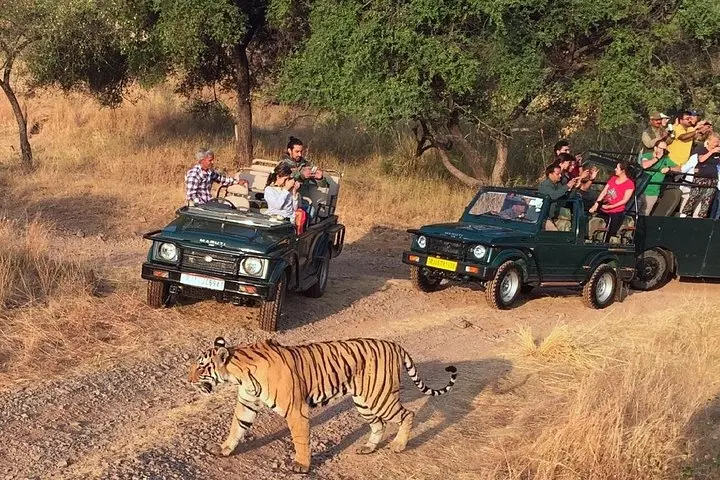

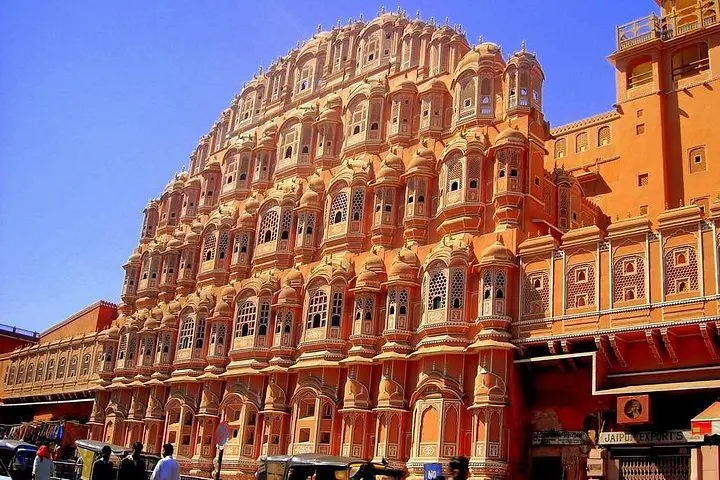
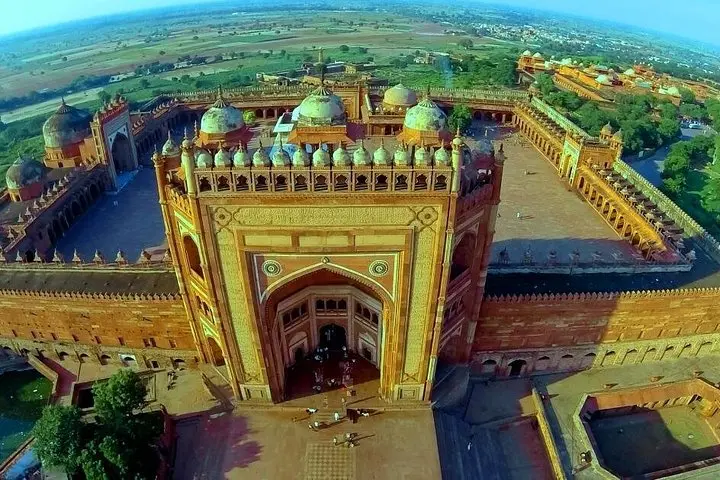
Dawn at the Taj hits the marble like a wake-up call — pale light cutting through morning mist as the city around Agra stirs. Later that same day the landscape shifts: Jaipur’s pink stone façades give way to scrubby plains and the rounded shoulders of the Aravalli Hills, and by evening the dust of Sawai Madhopur smells of earth and water lilies.
Dawn at the Taj hits the marble like a wake-up call — pale light cutting through morning mist as the city around Agra stirs. Later that same day the landscape shifts: Jaipur’s pink stone façades give way to scrubby plains and the rounded shoulders of the Aravalli Hills, and by evening the dust of Sawai Madhopur smells of earth and water lilies.
This seven-day loop mixes Mughal monuments and Rajput planning with raw jungle. Delhi’s Mughal-era gates and imperial gardens are a prelude; Fatehpur Sikri is a compact lesson in 16th-century court life, while Jaipur, founded by Sawai Jai Singh II in 1727, displays deliberate city planning and astronomical instruments. Geologically, the Aravallis are among India’s oldest ranges, their low ridgelines framing Ranthambore’s dry deciduous forest. Ranthambore itself was a royal hunting ground; its 10th-century fort watches over grasslands and lakes where tigers, leopards and marsh crocodiles concentrate.
Practically: expect long drives (Delhi–Jaipur ~4–6 hours, Jaipur–Ranthambore ~3–4 hours), early-morning canter safaris for the best tiger sightings, and strict park timing—Ranthambore is sometimes closed mid-July–September for monsoon-dependent reasons. Carry photocopies of passport details for bookings, wear neutral clothing, and plan for sun and dust. Comfortable walking shoes handle short heritage walks; binoculars and a telephoto lens make wildlife encounters tangible without disturbing animals. This itinerary balances cultural sightseeing with focused wildlife time, offering close-up views of India’s monuments by day and the slow, patient hunt for a tiger by dawn.