THE ADVENTURE COLLECTIVE® · Independent discovery and booking for outdoor travel

Traverse India’s Golden Triangle over seven days — from Delhi’s packed lanes to the Taj Mahal’s marble glow and Jaipur’s hilltop forts. Expect sunrise visits, guided historical context, and practical tips for navigating crowds and heat.
Traverse India’s Golden Triangle over seven days — from Delhi’s packed lanes to the Taj Mahal’s marble glow and Jaipur’s hilltop forts. Expect sunrise visits, guided historical context, and practical tips for navigating crowds and heat.
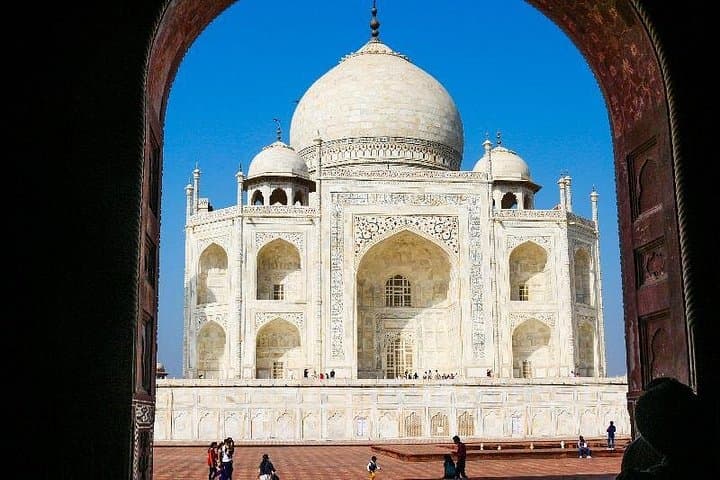
You step out of the airport into hot, humid Delhi air and the city immediately asserts itself — honking, spice-scented stalls, and a skyline that mixes colonial facades with glass towers. Over the next seven days the landscape shifts: congested lanes of Old Delhi give way to the marble calm of the Taj at sunrise, then to the pink sandstone ramparts of Jaipur where forts perch like watchful elders.
Verified experiences and guided adventures in the surrounding area.
Operated by ODYNOVO · New Delhi, Delhi
You step out of the airport into hot, humid Delhi air and the city immediately asserts itself — honking, spice-scented stalls, and a skyline that mixes colonial facades with glass towers. Over the next seven days the landscape shifts: congested lanes of Old Delhi give way to the marble calm of the Taj at sunrise, then to the pink sandstone ramparts of Jaipur where forts perch like watchful elders.
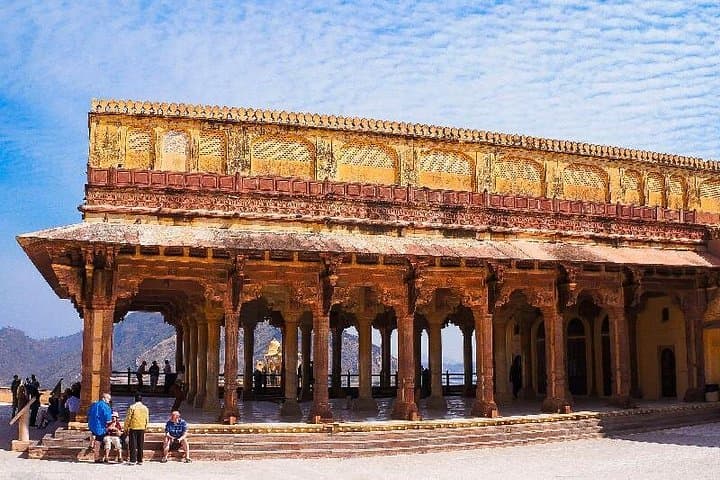
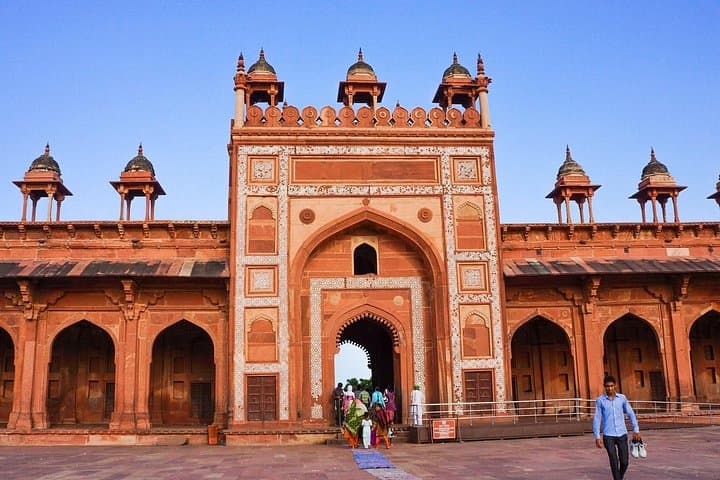
This loop through India’s Golden Triangle traces Mughal and Rajput power across centuries. In Delhi, the Qutub Minar and Humayun’s Tomb mark early Mughal ambition; Agra’s Taj Mahal and Agra Fort crystallize imperial aesthetics; Jaipur’s Amber Fort and Jantar Mantar reveal Rajput court life and early astronomical ingenuity. Geologically, the route skirts the alluvial plains of the Yamuna and Chambal rivers — flat, fertile ground that enabled ancient cities to flourish.
Culturally, expect crowded bazaars, persistent street vendors, and layered cuisine from kebabs in Delhi to petha sweets in Agra and Rajasthani thalis in Jaipur. Guides will open doors to local stories and practical tips for respectful temple and tomb visits.
Practical guidance: travel by private A/C car for long transfers, plan the Taj for sunrise to avoid heat and midday crowds, carry bottled water and sun protection, and wear modest, breathable clothing for temple and palace entrances. Footwear should be sturdy but easy to remove for mosque and temple visits. Expect light walking over steps and uneven stone floors; pace your days and prioritize rest between sightseeing blocks.
Yes, the itinerary includes entrance and a guided visit to the Taj Mahal, typically scheduled at sunrise for the best light and cooler temperatures.
Expect a 3.5–5 hour drive between major stops (Delhi–Agra ~3–4 hours, Agra–Jaipur ~4–5 hours) depending on traffic and road conditions.
Breakfast is provided each day and lunches are included as listed; dinner is usually at leisure unless otherwise noted.
Many sites have uneven terrain and steps; the tour is marked wheelchair accessible in some parts but not all sites are fully accessible—discuss needs at booking.
ODYNOVO operates guided outdoor trips and adventures with an emphasis on safety, stewardship, and memorable experiences.

You step out of the airport into hot, humid Delhi air and the city immediately asserts itself — honking, spice-scented stalls, and a skyline that mixes colonial facades with glass towers. Over the next seven days the landscape shifts: congested lanes of Old Delhi give way to the marble calm of the Taj at sunrise, then to the pink sandstone ramparts of Jaipur where forts perch like watchful elders.
You step out of the airport into hot, humid Delhi air and the city immediately asserts itself — honking, spice-scented stalls, and a skyline that mixes colonial facades with glass towers. Over the next seven days the landscape shifts: congested lanes of Old Delhi give way to the marble calm of the Taj at sunrise, then to the pink sandstone ramparts of Jaipur where forts perch like watchful elders.
This loop through India’s Golden Triangle traces Mughal and Rajput power across centuries. In Delhi, the Qutub Minar and Humayun’s Tomb mark early Mughal ambition; Agra’s Taj Mahal and Agra Fort crystallize imperial aesthetics; Jaipur’s Amber Fort and Jantar Mantar reveal Rajput court life and early astronomical ingenuity. Geologically, the route skirts the alluvial plains of the Yamuna and Chambal rivers — flat, fertile ground that enabled ancient cities to flourish.
Culturally, expect crowded bazaars, persistent street vendors, and layered cuisine from kebabs in Delhi to petha sweets in Agra and Rajasthani thalis in Jaipur. Guides will open doors to local stories and practical tips for respectful temple and tomb visits.
Practical guidance: travel by private A/C car for long transfers, plan the Taj for sunrise to avoid heat and midday crowds, carry bottled water and sun protection, and wear modest, breathable clothing for temple and palace entrances. Footwear should be sturdy but easy to remove for mosque and temple visits. Expect light walking over steps and uneven stone floors; pace your days and prioritize rest between sightseeing blocks.