THE ADVENTURE COLLECTIVE® · Independent discovery and booking for outdoor travel

Travel the classic Golden Triangle—Delhi, Agra and Jaipur—in seven days, from sunrise at the Taj Mahal to fortified pink palaces. This practical guide outlines what to expect, historical context, and smart tips to make the most of the cultural circuit.
Travel the classic Golden Triangle—Delhi, Agra and Jaipur—in seven days, from sunrise at the Taj Mahal to fortified pink palaces. This practical guide outlines what to expect, historical context, and smart tips to make the most of the cultural circuit.
Morning in Old Delhi hits like a pulse—rickshaw bells, the sharp scent of spices, and a guide who reads lanes like a map of centuries. This seven-day loop from New Delhi to Agra and Jaipur moves fast but cleanly: colonial avenues and Mughal domes, the marble hush of the Taj at dawn, and the honey-colored ramparts of Amber Fort as evening light softens the hills.
Verified experiences and guided adventures in the surrounding area.
Operated by India Bound Tour® · New Delhi, Delhi
Morning in Old Delhi hits like a pulse—rickshaw bells, the sharp scent of spices, and a guide who reads lanes like a map of centuries. This seven-day loop from New Delhi to Agra and Jaipur moves fast but cleanly: colonial avenues and Mughal domes, the marble hush of the Taj at dawn, and the honey-colored ramparts of Amber Fort as evening light softens the hills.
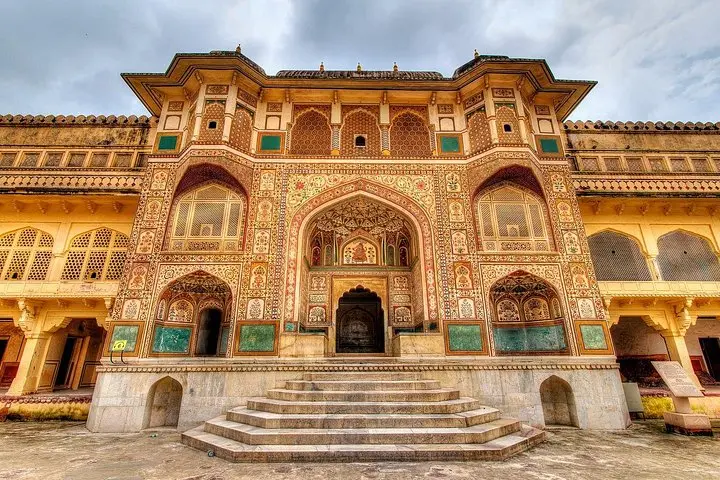
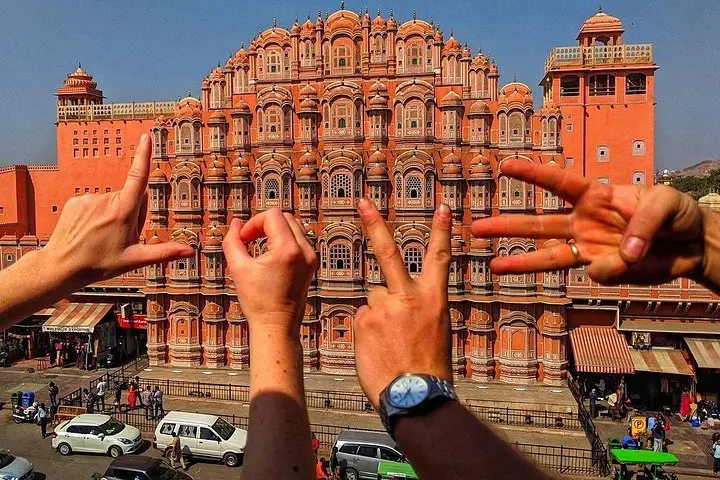
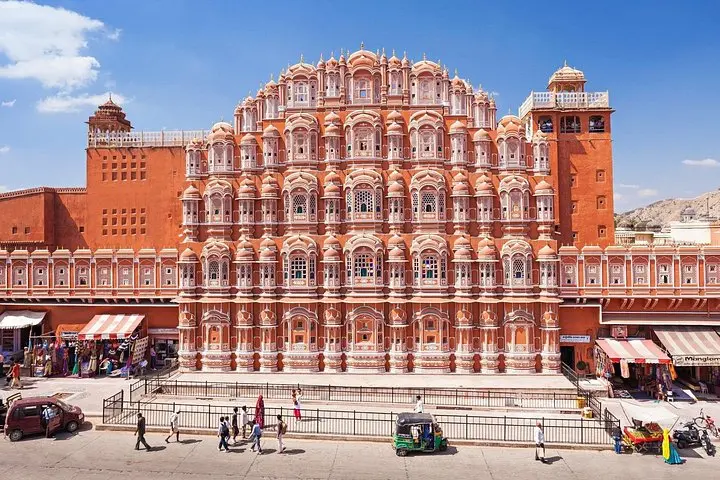
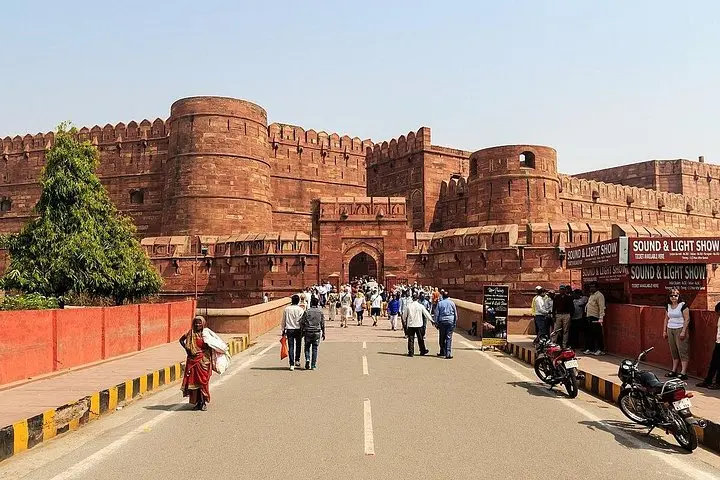
The route follows layers of history. Delhi stitches together Sultanate-era tombs, British-era boulevards and vibrant bazaars. Agra is Mughal architecture concentrated—Taj Mahal’s inlay work and the stratified fortress walls of Agra Fort speak masonry and imperial ambition. Jaipur, founded in the 18th century, showcases planned city geometry, stone observatories and palace façades painted in the city’s signature pink.
Geology here is low-lying Indo-Gangetic plains; river terraces of the Yamuna shaped settlement and trade routes for millennia. Culture alternates between fast-paced markets and measured ritual at ghats and shrines—expect polite bargaining, the cadence of temple bells and a culinary scene that rewards curiosity.
Practical guidance: schedule the Taj for sunrise to avoid heat and crowds, and factor travel time on intercity drives (3–5 hours depending on traffic). Comfortable walking shoes and sun protection matter—monuments involve uneven stone steps and long courtyard walks. Carry small-denomination cash for local purchases and tip guides/drivers per local custom. Hotels generally handle transfers; confirm pick-up times and flight connections before your final day.
This circuit is an efficient primer on northern India’s history and urban life—energetic, accessible and best approached with patience, a good camera and a flexible itinerary.
Yes—many visitors prefer sunrise for cooler temperatures and softer light; check daily opening times and any seasonal closures in advance.
Most international visitors require an Indian visa; check your nationality’s entry rules and obtain the visa before travel.
Private air-conditioned transfers between cities are included in the itinerary; confirm pickup/drop-off details at booking.
Many sites have uneven surfaces and steps; while the tour is suitable for a range of fitness levels, travelers with significant mobility restrictions should consult the operator first.
India Bound Tour® operates guided outdoor trips and adventures with an emphasis on safety, stewardship, and memorable experiences.
Morning in Old Delhi hits like a pulse—rickshaw bells, the sharp scent of spices, and a guide who reads lanes like a map of centuries. This seven-day loop from New Delhi to Agra and Jaipur moves fast but cleanly: colonial avenues and Mughal domes, the marble hush of the Taj at dawn, and the honey-colored ramparts of Amber Fort as evening light softens the hills.
Morning in Old Delhi hits like a pulse—rickshaw bells, the sharp scent of spices, and a guide who reads lanes like a map of centuries. This seven-day loop from New Delhi to Agra and Jaipur moves fast but cleanly: colonial avenues and Mughal domes, the marble hush of the Taj at dawn, and the honey-colored ramparts of Amber Fort as evening light softens the hills.
The route follows layers of history. Delhi stitches together Sultanate-era tombs, British-era boulevards and vibrant bazaars. Agra is Mughal architecture concentrated—Taj Mahal’s inlay work and the stratified fortress walls of Agra Fort speak masonry and imperial ambition. Jaipur, founded in the 18th century, showcases planned city geometry, stone observatories and palace façades painted in the city’s signature pink.
Geology here is low-lying Indo-Gangetic plains; river terraces of the Yamuna shaped settlement and trade routes for millennia. Culture alternates between fast-paced markets and measured ritual at ghats and shrines—expect polite bargaining, the cadence of temple bells and a culinary scene that rewards curiosity.
Practical guidance: schedule the Taj for sunrise to avoid heat and crowds, and factor travel time on intercity drives (3–5 hours depending on traffic). Comfortable walking shoes and sun protection matter—monuments involve uneven stone steps and long courtyard walks. Carry small-denomination cash for local purchases and tip guides/drivers per local custom. Hotels generally handle transfers; confirm pick-up times and flight connections before your final day.
This circuit is an efficient primer on northern India’s history and urban life—energetic, accessible and best approached with patience, a good camera and a flexible itinerary.