THE ADVENTURE COLLECTIVE® · Independent discovery and booking for outdoor travel

Travel the Golden Triangle—Delhi’s layered streets, Agra’s riverside marble, and Jaipur’s pink palaces—on a private seven-day circuit. This guide explains what you’ll see, the best times to visit key sites, and practical tips to move smoothly between UNESCO icons and lively bazaars.
Travel the Golden Triangle—Delhi’s layered streets, Agra’s riverside marble, and Jaipur’s pink palaces—on a private seven-day circuit. This guide explains what you’ll see, the best times to visit key sites, and practical tips to move smoothly between UNESCO icons and lively bazaars.
Morning light lifts over crowded streets and wide avenues: New Delhi’s India Gate, the quiet symmetry of Humayun’s Tomb, then the Yamuna’s pale ribbon guarding the Taj Mahal. On this seven-day circuit you move by private, air-conditioned transfer between three cities whose stones keep different chapters of India’s past—imperial Mughal tombs, Mughal and Rajput forts, and a planned pink city that still hums with market life.
Verified experiences and guided adventures in the surrounding area.
Operated by Agra Taj Visit · New Delhi, Delhi
Morning light lifts over crowded streets and wide avenues: New Delhi’s India Gate, the quiet symmetry of Humayun’s Tomb, then the Yamuna’s pale ribbon guarding the Taj Mahal. On this seven-day circuit you move by private, air-conditioned transfer between three cities whose stones keep different chapters of India’s past—imperial Mughal tombs, Mughal and Rajput forts, and a planned pink city that still hums with market life.
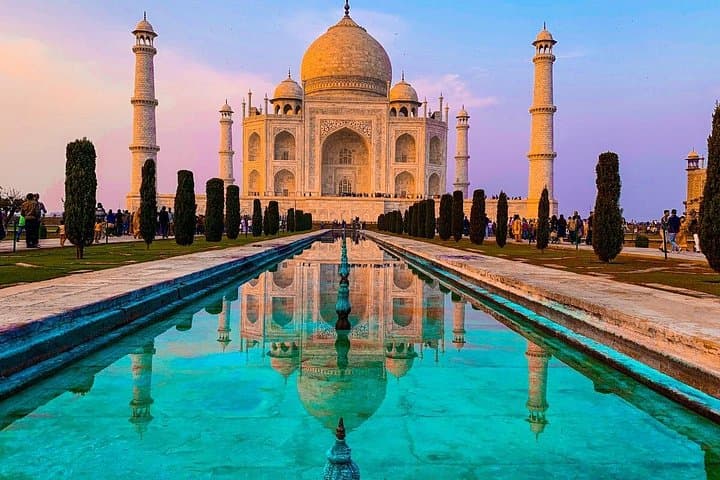
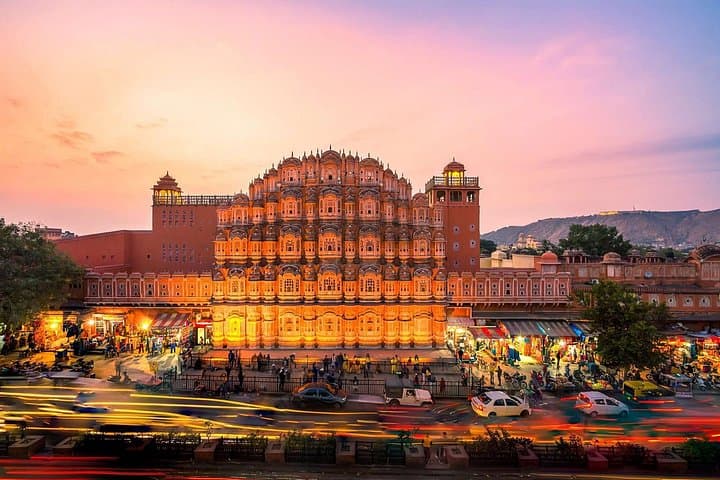
Delhi offers colonial boulevards and layered Mughal neighborhoods; Qutub Minar and Humayun’s Tomb show masonry techniques and garden planning evolved over centuries. Agra sits on the Yamuna floodplain—the Taj Mahal’s white marble set against the river at sunrise—and nearby Mehtab Bagh frames a photo-perfect approach. Jaipur, carved from local sandstone, pairs the hilltop Amber Fort with Jantar Mantar’s astronomical instruments and bustling bazaars that trade textiles, jewelry, and spice.
Expect mostly urban walking on paved streets and palace courtyards, short drives between sites, and several early starts (sunrise at the Taj is recommended). Guides with local knowledge explain architectural details, caste and court histories, and how water management shaped settlements such as Fatehpur Sikri and Abhaneri stepwell.
Practical guidance: carry a copy of ID for monument entry, wear modest, comfortable layers for heat and temple visits, and schedule early-morning site visits to avoid crowds and midday temperatures. Hydrate, plan for market bargaining, and confirm hotel pickup times—this private, multi-day itinerary blends cultural depth with predictable logistics, letting you focus on the monuments and the stories carved into them.
Yes—sunrise brings cooler temperatures, softer light for photos, and usually thinner crowds; expect an early pickup from your hotel.
The standard private tour usually includes guided visits but check if ticket fees are covered; your operator will clarify prior to travel.
Daily schedules feature several hours of guided walking across forts and palaces with brief transfers by vehicle; most walking is moderate and on paved or stone surfaces.
Yes—private transport and tailored pacing suit families, but plan for early mornings and some long drives between cities.
Agra Taj Visit operates guided outdoor trips and adventures with an emphasis on safety, stewardship, and memorable experiences.


Morning light lifts over crowded streets and wide avenues: New Delhi’s India Gate, the quiet symmetry of Humayun’s Tomb, then the Yamuna’s pale ribbon guarding the Taj Mahal. On this seven-day circuit you move by private, air-conditioned transfer between three cities whose stones keep different chapters of India’s past—imperial Mughal tombs, Mughal and Rajput forts, and a planned pink city that still hums with market life.
Morning light lifts over crowded streets and wide avenues: New Delhi’s India Gate, the quiet symmetry of Humayun’s Tomb, then the Yamuna’s pale ribbon guarding the Taj Mahal. On this seven-day circuit you move by private, air-conditioned transfer between three cities whose stones keep different chapters of India’s past—imperial Mughal tombs, Mughal and Rajput forts, and a planned pink city that still hums with market life.
Delhi offers colonial boulevards and layered Mughal neighborhoods; Qutub Minar and Humayun’s Tomb show masonry techniques and garden planning evolved over centuries. Agra sits on the Yamuna floodplain—the Taj Mahal’s white marble set against the river at sunrise—and nearby Mehtab Bagh frames a photo-perfect approach. Jaipur, carved from local sandstone, pairs the hilltop Amber Fort with Jantar Mantar’s astronomical instruments and bustling bazaars that trade textiles, jewelry, and spice.
Expect mostly urban walking on paved streets and palace courtyards, short drives between sites, and several early starts (sunrise at the Taj is recommended). Guides with local knowledge explain architectural details, caste and court histories, and how water management shaped settlements such as Fatehpur Sikri and Abhaneri stepwell.
Practical guidance: carry a copy of ID for monument entry, wear modest, comfortable layers for heat and temple visits, and schedule early-morning site visits to avoid crowds and midday temperatures. Hydrate, plan for market bargaining, and confirm hotel pickup times—this private, multi-day itinerary blends cultural depth with predictable logistics, letting you focus on the monuments and the stories carved into them.