THE ADVENTURE COLLECTIVE® · Independent discovery and booking for outdoor travel

Discover India’s most famous circuit across Delhi, Agra and Jaipur with an added Ranthambore tiger safari and the dawn rituals of Varanasi. This seven-day tour blends UNESCO monuments, wildlife drives and river ceremony into a focused cultural adventure.
Discover India’s most famous circuit across Delhi, Agra and Jaipur with an added Ranthambore tiger safari and the dawn rituals of Varanasi. This seven-day tour blends UNESCO monuments, wildlife drives and river ceremony into a focused cultural adventure.
At dawn the Ganges pulls light from the horizon and the city of Varanasi wakes in soft, damp gold: boats slip like questions along the river and priests call the faithful to the ghats. That electric, intimate morning is one of the recurring scenes on this seven-day loop through India’s Golden Triangle, extended with a wilderness detour to Ranthambore and the timeless rites of Varanasi.
Verified experiences and guided adventures in the surrounding area.
Operated by Jaipur Trip · New Delhi, Delhi
At dawn the Ganges pulls light from the horizon and the city of Varanasi wakes in soft, damp gold: boats slip like questions along the river and priests call the faithful to the ghats. That electric, intimate morning is one of the recurring scenes on this seven-day loop through India’s Golden Triangle, extended with a wilderness detour to Ranthambore and the timeless rites of Varanasi.
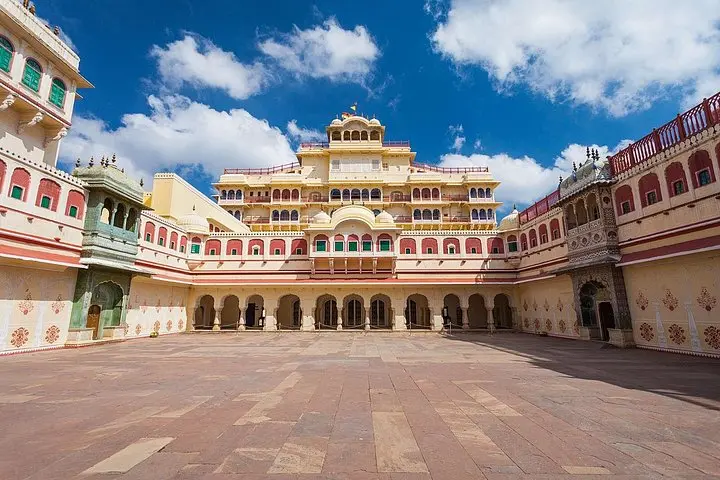
The route stitches Mughal Agra, imperial Delhi and Rajput Jaipur with a national park whose granite fort once watched over tiger country. Geology and human history meet here: the Yamuna and Ganges rivers sculpt fertile plains, Mughal marble and red sandstone monuments mark imperial ambition, and the rocky outcrops of Ranthambore hold forts older than many modern states.
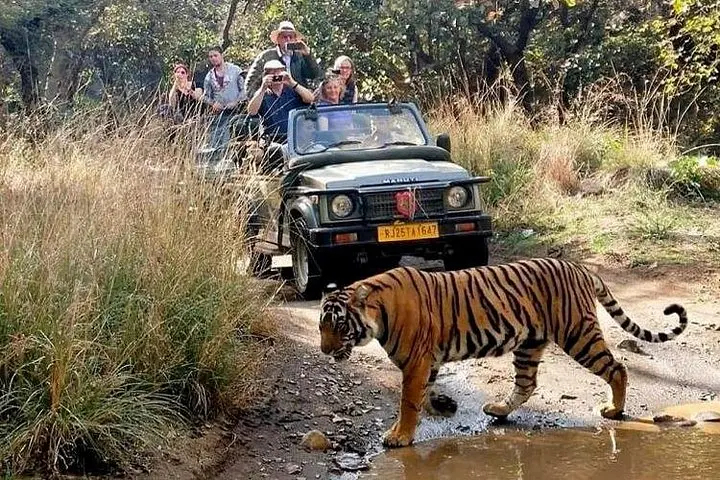
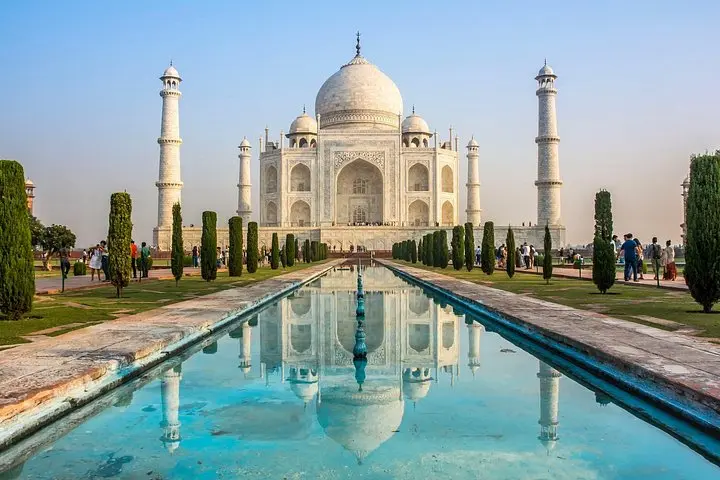
Travelers can expect UNESCO sites (Taj Mahal, Agra Fort, Humayun’s Tomb), Jaipur’s bazaar rhythm and Amber Fort’s defensive terraces, a guided jeep safari through Ranthambore’s teak and sal forest, and a dawn boat on the Ganges capped by the evening Ganga Aarti. Culture is tactile—market spices, temple bells, and the negotiated pace of Indian train travel—while wildlife encounters are episodic and best approached with patience.
Practical guidance: plan early starts for monuments and safaris, carry a lightweight daypack with water, sun protection and a compact pair of binoculars for wildlife. Footwear should handle uneven stone and city steps. Expect varied temperatures between desert plains, river mornings and forest shade; pack layers. Book permits and train or flight segments in advance, and allow slack in the itinerary—India rewards a slower pace.
No—wildlife sightings depend on animal movement and season; naturalists improve odds but sightings are not guaranteed.
This itinerary notes a flight from Varanasi to Delhi and a train segment from Agra to Varanasi—confirm which segments the operator provides at booking.
Most international visitors need an Indian e-Visa or paper visa obtained before travel—check current government rules and apply well ahead of departure.
Days include short to moderate walking around monuments, markets and temple ghats; none of the legs require technical trekking fitness.
Jaipur Trip operates guided outdoor trips and adventures with an emphasis on safety, stewardship, and memorable experiences.
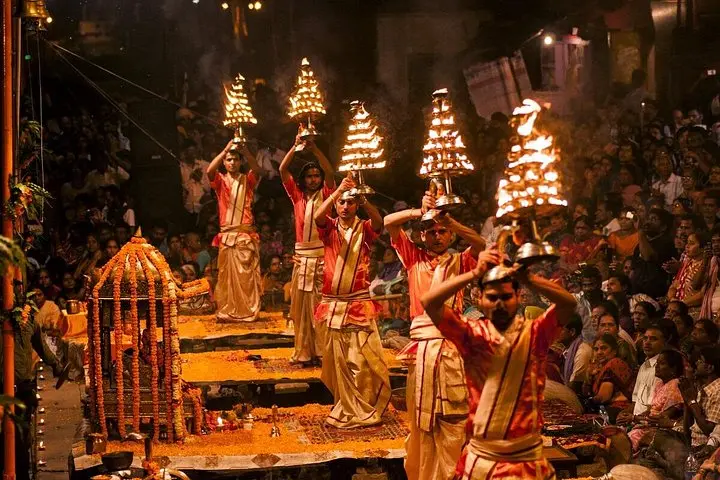
At dawn the Ganges pulls light from the horizon and the city of Varanasi wakes in soft, damp gold: boats slip like questions along the river and priests call the faithful to the ghats. That electric, intimate morning is one of the recurring scenes on this seven-day loop through India’s Golden Triangle, extended with a wilderness detour to Ranthambore and the timeless rites of Varanasi.
At dawn the Ganges pulls light from the horizon and the city of Varanasi wakes in soft, damp gold: boats slip like questions along the river and priests call the faithful to the ghats. That electric, intimate morning is one of the recurring scenes on this seven-day loop through India’s Golden Triangle, extended with a wilderness detour to Ranthambore and the timeless rites of Varanasi.
The route stitches Mughal Agra, imperial Delhi and Rajput Jaipur with a national park whose granite fort once watched over tiger country. Geology and human history meet here: the Yamuna and Ganges rivers sculpt fertile plains, Mughal marble and red sandstone monuments mark imperial ambition, and the rocky outcrops of Ranthambore hold forts older than many modern states.
Travelers can expect UNESCO sites (Taj Mahal, Agra Fort, Humayun’s Tomb), Jaipur’s bazaar rhythm and Amber Fort’s defensive terraces, a guided jeep safari through Ranthambore’s teak and sal forest, and a dawn boat on the Ganges capped by the evening Ganga Aarti. Culture is tactile—market spices, temple bells, and the negotiated pace of Indian train travel—while wildlife encounters are episodic and best approached with patience.
Practical guidance: plan early starts for monuments and safaris, carry a lightweight daypack with water, sun protection and a compact pair of binoculars for wildlife. Footwear should handle uneven stone and city steps. Expect varied temperatures between desert plains, river mornings and forest shade; pack layers. Book permits and train or flight segments in advance, and allow slack in the itinerary—India rewards a slower pace.