THE ADVENTURE COLLECTIVE® · Independent discovery and booking for outdoor travel

A compact seven-day safari that links Lake Manyara, Ngorongoro Crater and the Serengeti for prime chances to see tree-climbing lions, black rhino and the wildebeest Mara River crossings. Expect early starts, long drives and tented nights under true African skies.
A compact seven-day safari that links Lake Manyara, Ngorongoro Crater and the Serengeti for prime chances to see tree-climbing lions, black rhino and the wildebeest Mara River crossings. Expect early starts, long drives and tented nights under true African skies.
You step out before dawn into a cool northern Tanzanian morning: wind brushes the acacia tops, hippo grunts roll from a distant river, and the land ahead—plains punctuated by granite kopjes—already hums with movement.
Verified experiences and guided adventures in the surrounding area.
Operated by Seven Wonders Safaris · Arusha, Arusha Region
You step out before dawn into a cool northern Tanzanian morning: wind brushes the acacia tops, hippo grunts roll from a distant river, and the land ahead—plains punctuated by granite kopjes—already hums with movement.
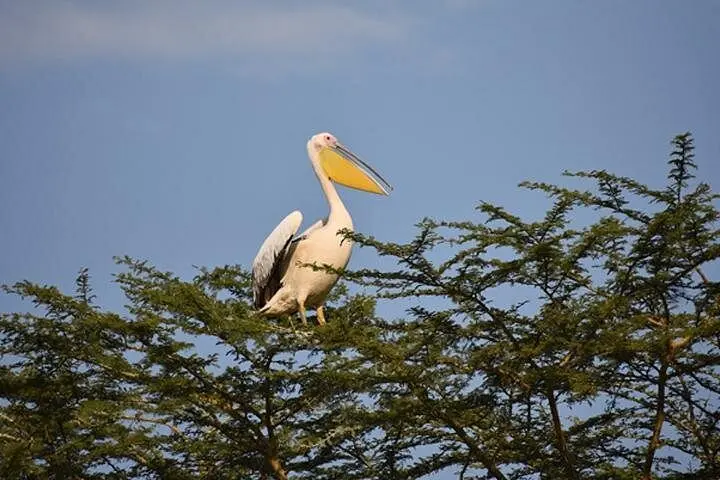
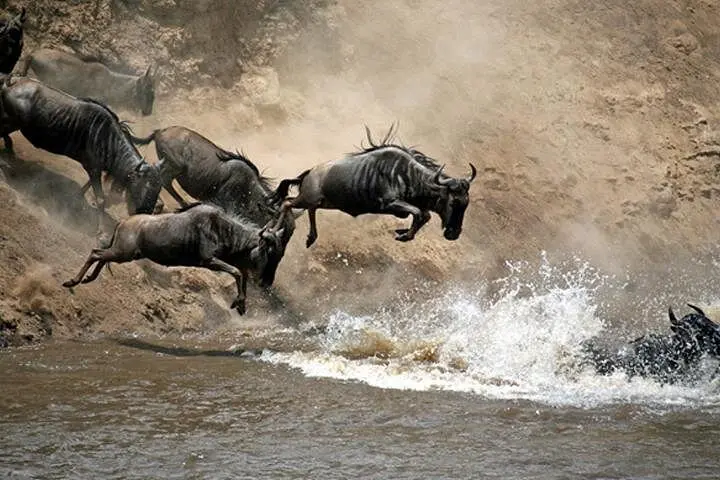
This seven-day circuit threads three of East Africa’s defining landscapes. Lake Manyara’s groundwater forest and rift-valley escarpment host tree-climbing lions and large flocks of waterbirds; Ngorongoro is a vast volcanic caldera whose rim sits over 2,200 m and shelters one of the highest permanent concentrations of wildlife on earth; the Serengeti’s flatlands and rolling kopjes are the stage for the annual wildebeest migration and the Mara River crossings—moments of sheer, raw theatre when thousands surge against crocodile-lined banks.
Culturally the route runs through Maasai country: herders and beadwork dot the edges of park boundaries and their seasonal grazing patterns still influence where animals gather. Geologically, the crater is a collapsed volcano and the Serengeti’s kopjes are ancient granite outcrops shaped by weathering over millennia.
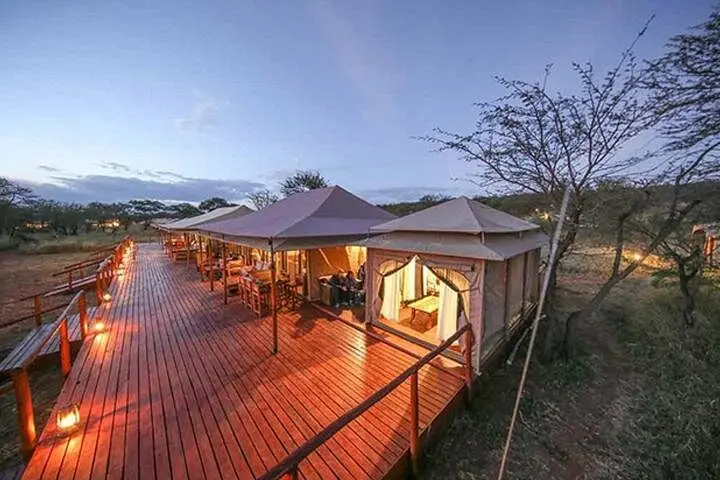
Practically: expect early morning and late-afternoon game drives, long drives between parks, tented-camp nights, and private transport included. Wildlife viewing is vehicle-based with optional short walking safaris; the best chance to see Mara River crossings is in the dry-season migration window (commonly June–September, though timing varies). Bring sun protection, binoculars, malaria precautions, layered clothing for high-rim mornings, and a camera with a telephoto lens. Vehicles and guides handle logistics—your job is to stay patient, quiet and ready when the plains erupt into motion.
Crossings most commonly occur in the dry season between June and September, but migration timing varies yearly—ask your operator for current migration intel.
This itinerary includes private transportation and meals as listed and notes fees and taxes are included; confirm specific park entry fees with your operator at booking.
Yes—northern Tanzania is a malaria risk area; consult a healthcare provider for recommended prophylaxis and bring repellent and appropriate clothing.
The trip is vehicle-based with early starts and some walking safari options; a moderate fitness level is recommended for short walks and getting in/out of vehicles.
Seven Wonders Safaris operates guided outdoor trips and adventures with an emphasis on safety, stewardship, and memorable experiences.
You step out before dawn into a cool northern Tanzanian morning: wind brushes the acacia tops, hippo grunts roll from a distant river, and the land ahead—plains punctuated by granite kopjes—already hums with movement.
You step out before dawn into a cool northern Tanzanian morning: wind brushes the acacia tops, hippo grunts roll from a distant river, and the land ahead—plains punctuated by granite kopjes—already hums with movement.
This seven-day circuit threads three of East Africa’s defining landscapes. Lake Manyara’s groundwater forest and rift-valley escarpment host tree-climbing lions and large flocks of waterbirds; Ngorongoro is a vast volcanic caldera whose rim sits over 2,200 m and shelters one of the highest permanent concentrations of wildlife on earth; the Serengeti’s flatlands and rolling kopjes are the stage for the annual wildebeest migration and the Mara River crossings—moments of sheer, raw theatre when thousands surge against crocodile-lined banks.
Culturally the route runs through Maasai country: herders and beadwork dot the edges of park boundaries and their seasonal grazing patterns still influence where animals gather. Geologically, the crater is a collapsed volcano and the Serengeti’s kopjes are ancient granite outcrops shaped by weathering over millennia.
Practically: expect early morning and late-afternoon game drives, long drives between parks, tented-camp nights, and private transport included. Wildlife viewing is vehicle-based with optional short walking safaris; the best chance to see Mara River crossings is in the dry-season migration window (commonly June–September, though timing varies). Bring sun protection, binoculars, malaria precautions, layered clothing for high-rim mornings, and a camera with a telephoto lens. Vehicles and guides handle logistics—your job is to stay patient, quiet and ready when the plains erupt into motion.