THE ADVENTURE COLLECTIVE® · Independent discovery and booking for outdoor travel

Follow flamingo-streaked shores, kopje-dotted plains and a crater rim over seven days of private game drives. This safari pairs the Great Migration’s spectacle with cultural encounters and volcanic scenery for a compact, wildlife-rich route.
Follow flamingo-streaked shores, kopje-dotted plains and a crater rim over seven days of private game drives. This safari pairs the Great Migration’s spectacle with cultural encounters and volcanic scenery for a compact, wildlife-rich route.
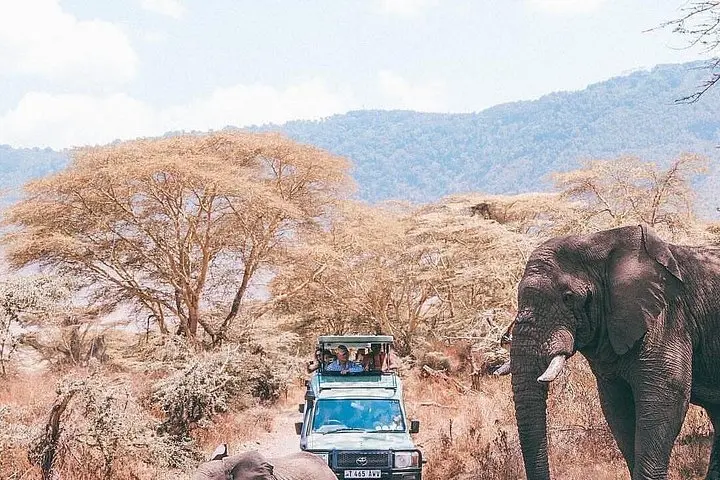
Dust lifts in thin columns as your 4x4 powers north from Arusha, the Rift Valley escarpment unfolding like a map under a wide African sky.
Verified experiences and guided adventures in the surrounding area.
Operated by safari soles tours · Arusha, Arusha Region
Dust lifts in thin columns as your 4x4 powers north from Arusha, the Rift Valley escarpment unfolding like a map under a wide African sky.
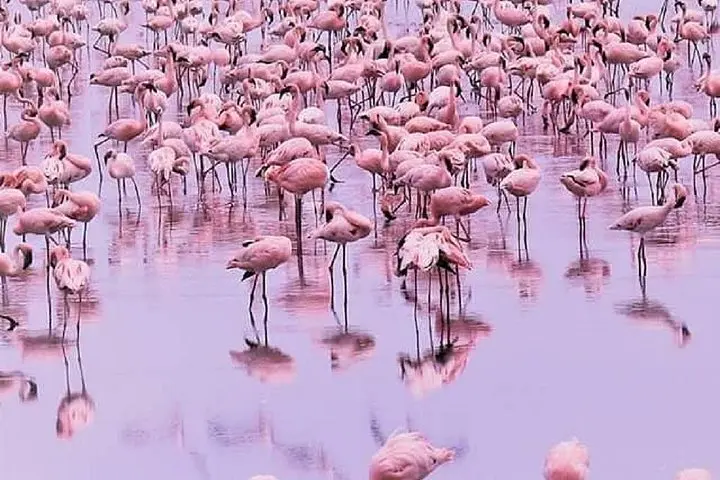
On day one, Ol Doinyo Lengai — the Maasai “Mountain of God” — appears as a dark silhouette above the alkali gleam of Lake Natron, where thousands of flamingos cluster along the shore. Over seven days you move from that volcanic edge through the wild heart of the Serengeti and down into the Ngorongoro caldera, tracing both the Great Migration’s pulse and Tanzania’s deep geological story.
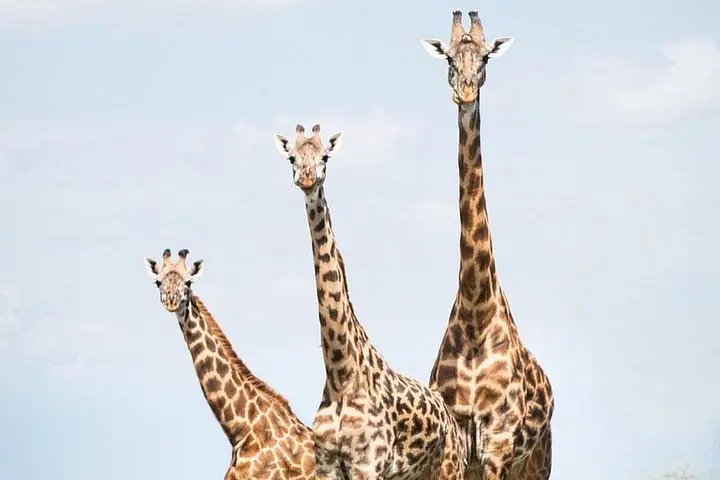
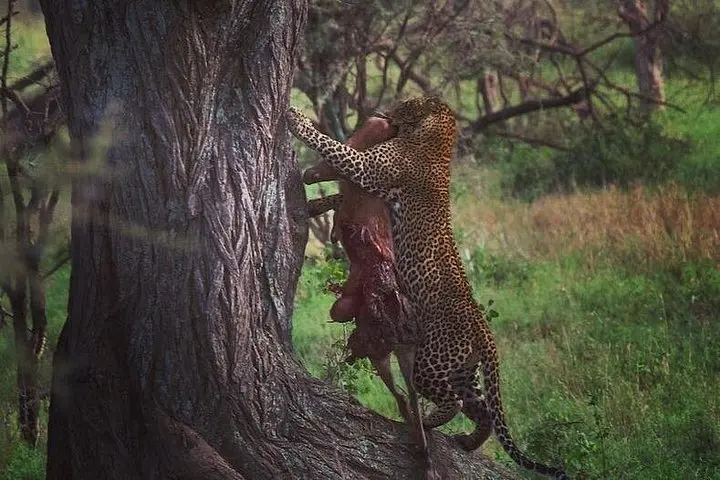
Geology and human culture thread this route: the Rift Valley carved the landscape, creating soda lakes and crater calderas; the Maasai, Hadzabe and Datoga continue traditional livelihoods on its margins. Northern Serengeti’s kopjes and permanent springs support resident predators and plains game, while Seronera’s river valleys concentrate wildlife year-round. Ngorongoro’s collapsed volcano forms a bowl of concentrated ecology where black rhino still survive.
Expect long drives on corrugated roads, early starts for game drives, and a rhythm of tented lodges and private transport. Guides interpret spoor and birdcalls; binoculars and a steady camera hand repay patience. Practical essentials: layer for cold mornings and hot afternoons, carry reusable water, and be prepared for dusty conditions. Respect local communities — ask before photographing people — and follow your guide’s safety briefings around wildlife.
This itinerary balances spectacle with intimacy: volcanic drama and flamingo pink, migration thunder and quiet village visits. Arrive curious and leave with field notes worth re-reading.
Northern Serengeti (Lobo) is best around June–September when animals concentrate in the north; Seronera offers good year-round sightings, while crossings peak at varying times depending on rains.
This itinerary states that all listed accommodation, some activities, and fees are included—confirm specifics at booking and for any optional upgrades.
Expect long drives on unpaved, corrugated roads; vehicles are 4x4 and experienced drivers will navigate—but be prepared for dust and motion over several hours.
Yes. The itinerary includes visits to Hadzabe and Datoga communities for cultural exchanges—always follow guide advice and ask permission before photographing or joining activities.
safari soles tours operates guided outdoor trips and adventures with an emphasis on safety, stewardship, and memorable experiences.
Dust lifts in thin columns as your 4x4 powers north from Arusha, the Rift Valley escarpment unfolding like a map under a wide African sky.
Dust lifts in thin columns as your 4x4 powers north from Arusha, the Rift Valley escarpment unfolding like a map under a wide African sky.
On day one, Ol Doinyo Lengai — the Maasai “Mountain of God” — appears as a dark silhouette above the alkali gleam of Lake Natron, where thousands of flamingos cluster along the shore. Over seven days you move from that volcanic edge through the wild heart of the Serengeti and down into the Ngorongoro caldera, tracing both the Great Migration’s pulse and Tanzania’s deep geological story.
Geology and human culture thread this route: the Rift Valley carved the landscape, creating soda lakes and crater calderas; the Maasai, Hadzabe and Datoga continue traditional livelihoods on its margins. Northern Serengeti’s kopjes and permanent springs support resident predators and plains game, while Seronera’s river valleys concentrate wildlife year-round. Ngorongoro’s collapsed volcano forms a bowl of concentrated ecology where black rhino still survive.
Expect long drives on corrugated roads, early starts for game drives, and a rhythm of tented lodges and private transport. Guides interpret spoor and birdcalls; binoculars and a steady camera hand repay patience. Practical essentials: layer for cold mornings and hot afternoons, carry reusable water, and be prepared for dusty conditions. Respect local communities — ask before photographing people — and follow your guide’s safety briefings around wildlife.
This itinerary balances spectacle with intimacy: volcanic drama and flamingo pink, migration thunder and quiet village visits. Arrive curious and leave with field notes worth re-reading.