THE ADVENTURE COLLECTIVE® · Independent discovery and booking for outdoor travel

A seven-day Machame ascent mixes rainforest, moorland and scree for a high-probability summit strategy. This guide explains what to expect day-to-day, how to prepare for altitude and which practical choices boost your chances of reaching Uhuru Peak.
A seven-day Machame ascent mixes rainforest, moorland and scree for a high-probability summit strategy. This guide explains what to expect day-to-day, how to prepare for altitude and which practical choices boost your chances of reaching Uhuru Peak.
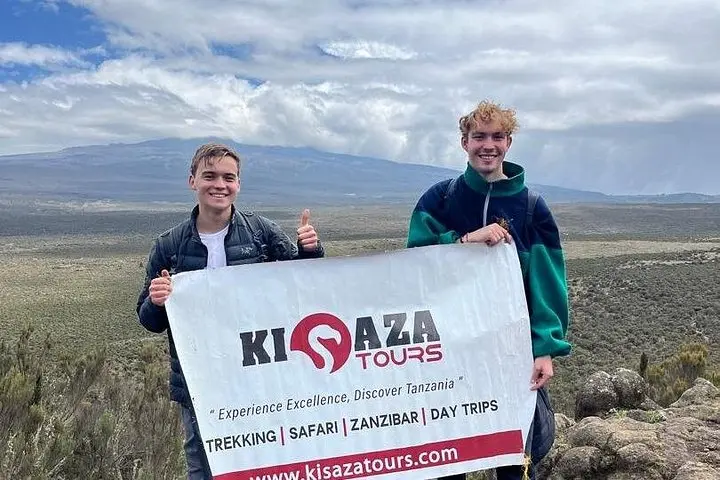
The first light at Machame Camp filters through moss-laden trees and turns the rain forest leaves a clean, bright green. You shoulder a pack and follow a narrow trail that climbs away from cultivated slopes and villages, the air changing character with every few hundred meters: warm and humid under the canopy, thinning and sharp as you crest the Shira Plateau. By the time you reach Barafu, the wind is a constant companion and the summit looms as a hard, icy silhouette—silent, demanding, and compelling.
Verified experiences and guided adventures in the surrounding area.
Operated by Kisaza Tours · Moshi, Kilimanjaro Region
The first light at Machame Camp filters through moss-laden trees and turns the rain forest leaves a clean, bright green. You shoulder a pack and follow a narrow trail that climbs away from cultivated slopes and villages, the air changing character with every few hundred meters: warm and humid under the canopy, thinning and sharp as you crest the Shira Plateau. By the time you reach Barafu, the wind is a constant companion and the summit looms as a hard, icy silhouette—silent, demanding, and compelling.
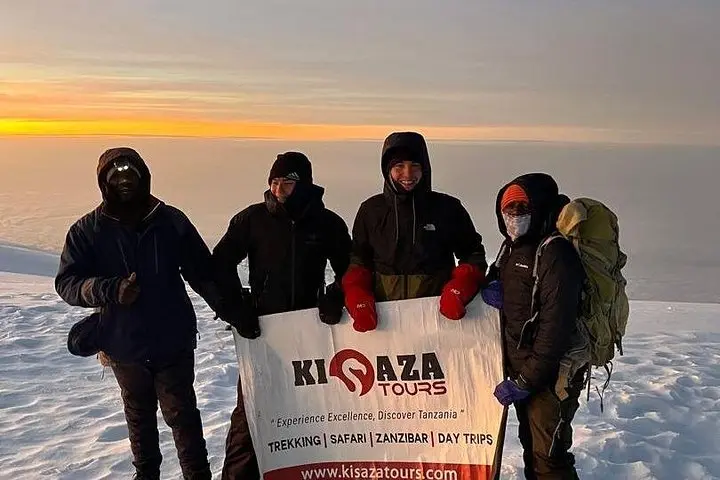
Machame is nicknamed the “whiskey route” for a reason: it’s scenic, varied and more strenuous than the gentler Marangu path. Geologically, Kilimanjaro is a triple volcano—Kibo, Mawenzi and Shira—sculpted by ancient lava flows and modern glaciers that still cling to Kibo’s crater rim. The route threads rainforest, heather moorland, alpine desert and scree fields, offering a compact tour of these ecological zones in seven days. On summit night you climb through the Rebmann and Ratzel glaciers toward Stella Point and, if weather permits, catch a sunrise that slides over Africa’s plains below.
Culturally, the climb begins in Chagga country; coffee terraces and small villages give a glimpse of a mountain people whose lives have long been intertwined with Kilimanjaro’s slopes. Guides and porters—integral to the experience—bring technical know-how, local knowledge and often a wry sense of timing: they know when to push and when to let altitude do its work.
Practically, this seven-day itinerary improves acclimatization by adding an extra night and the Barranco-Karanga loop, increasing summit odds. Expect daily gains from about 1,600 m (Machame Gate) up to 5,895 m at Uhuru Peak; typical hiking segments range from 3–8 hours, with the summit push taking 6–8 hours up and several hours down. Trails vary from muddy rainforest tracks to loose scree—gaiters and poles are useful; crampons are seldom needed but warmer layers and a strong sleeping bag are essential on the high camps.
Hydration, steady pacing and listening to your body matter more than speed. Acute mountain sickness is the real variable—your guides will monitor symptoms and enforce rest or descent when required. The climb includes park and rescue fees, and the operator provides cooks, professional guides and porters; fair wages for the crew are part of the package.
For an adventurous, non-technical ascent of Africa’s highest peak, the Machame route offers drama and variety. Prepare by training on long uphill days, packing high-quality cold-weather gear, and budgeting extra time in Moshi to relax before and after. When the summit finally opens up beneath your boots, the quiet and the view are earned—and the mountain’s pull is unmistakable.
Machame is steeper with more elevation change and varied terrain; it’s non-technical but more physically demanding than Marangu, and the seven-day variant improves acclimatization.
No ropes or technical climbing are required for Machame; however warm clothing and a quality sleeping bag are essential for the high camps.
Headache, nausea, dizziness and extreme fatigue are common signs of acute mountain sickness; guides will monitor symptoms and mandate descent if severe.
Dry seasons—late June to October and late December to February—offer the most stable weather and clearer summit windows.
Summit night typically starts between midnight and 2am; expect 6–8 hours up to Stella Point/Uhuru and several hours descending to Mweka.
Yes—this itinerary includes professional guides, cooks and porters, plus meals and camping equipment as listed in the inclusions.
Kisaza Tours operates guided outdoor trips and adventures with an emphasis on safety, stewardship, and memorable experiences.
The first light at Machame Camp filters through moss-laden trees and turns the rain forest leaves a clean, bright green. You shoulder a pack and follow a narrow trail that climbs away from cultivated slopes and villages, the air changing character with every few hundred meters: warm and humid under the canopy, thinning and sharp as you crest the Shira Plateau. By the time you reach Barafu, the wind is a constant companion and the summit looms as a hard, icy silhouette—silent, demanding, and compelling.
The first light at Machame Camp filters through moss-laden trees and turns the rain forest leaves a clean, bright green. You shoulder a pack and follow a narrow trail that climbs away from cultivated slopes and villages, the air changing character with every few hundred meters: warm and humid under the canopy, thinning and sharp as you crest the Shira Plateau. By the time you reach Barafu, the wind is a constant companion and the summit looms as a hard, icy silhouette—silent, demanding, and compelling.
Machame is nicknamed the “whiskey route” for a reason: it’s scenic, varied and more strenuous than the gentler Marangu path. Geologically, Kilimanjaro is a triple volcano—Kibo, Mawenzi and Shira—sculpted by ancient lava flows and modern glaciers that still cling to Kibo’s crater rim. The route threads rainforest, heather moorland, alpine desert and scree fields, offering a compact tour of these ecological zones in seven days. On summit night you climb through the Rebmann and Ratzel glaciers toward Stella Point and, if weather permits, catch a sunrise that slides over Africa’s plains below.
Culturally, the climb begins in Chagga country; coffee terraces and small villages give a glimpse of a mountain people whose lives have long been intertwined with Kilimanjaro’s slopes. Guides and porters—integral to the experience—bring technical know-how, local knowledge and often a wry sense of timing: they know when to push and when to let altitude do its work.
Practically, this seven-day itinerary improves acclimatization by adding an extra night and the Barranco-Karanga loop, increasing summit odds. Expect daily gains from about 1,600 m (Machame Gate) up to 5,895 m at Uhuru Peak; typical hiking segments range from 3–8 hours, with the summit push taking 6–8 hours up and several hours down. Trails vary from muddy rainforest tracks to loose scree—gaiters and poles are useful; crampons are seldom needed but warmer layers and a strong sleeping bag are essential on the high camps.
Hydration, steady pacing and listening to your body matter more than speed. Acute mountain sickness is the real variable—your guides will monitor symptoms and enforce rest or descent when required. The climb includes park and rescue fees, and the operator provides cooks, professional guides and porters; fair wages for the crew are part of the package.
For an adventurous, non-technical ascent of Africa’s highest peak, the Machame route offers drama and variety. Prepare by training on long uphill days, packing high-quality cold-weather gear, and budgeting extra time in Moshi to relax before and after. When the summit finally opens up beneath your boots, the quiet and the view are earned—and the mountain’s pull is unmistakable.