THE ADVENTURE COLLECTIVE® · Independent discovery and booking for outdoor travel

Drive the full loop: from Reykjavík to Jökulsárlón and back across Snæfellsnes on a seven-day escorted tour that packs glaciers, waterfalls, geothermal baths and coastal cliffs into one practical itinerary. Expect long travel days, short hikes, and constant geological surprises.
Drive the full loop: from Reykjavík to Jökulsárlón and back across Snæfellsnes on a seven-day escorted tour that packs glaciers, waterfalls, geothermal baths and coastal cliffs into one practical itinerary. Expect long travel days, short hikes, and constant geological surprises.
You step onto a bus at Bus Stop #12 in central Reykjavík as the city yawns awake, steam rising from a nearby hot spring like a live map of the geology ahead. The road out of town opens into wide horizons: black sand coastlines, rivers that seem intent on rearranging the land, and volcanoes keeping slow watch. Over the next seven days the Ring Road does what the name promises — it pulls you through Iceland's tectonic seams, across glacier tongues and lava fields that still smell faintly of sulphur.
Verified experiences and guided adventures in the surrounding area.
Operated by BusTravel Iceland · Reykjavík, Capital Region
You step onto a bus at Bus Stop #12 in central Reykjavík as the city yawns awake, steam rising from a nearby hot spring like a live map of the geology ahead. The road out of town opens into wide horizons: black sand coastlines, rivers that seem intent on rearranging the land, and volcanoes keeping slow watch. Over the next seven days the Ring Road does what the name promises — it pulls you through Iceland's tectonic seams, across glacier tongues and lava fields that still smell faintly of sulphur.
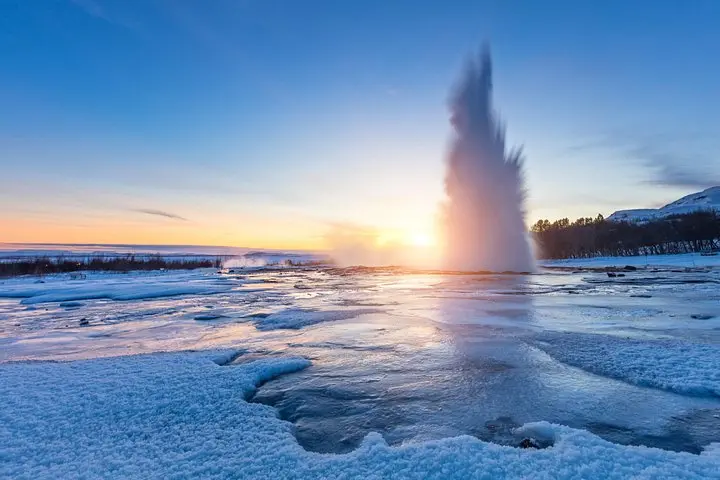
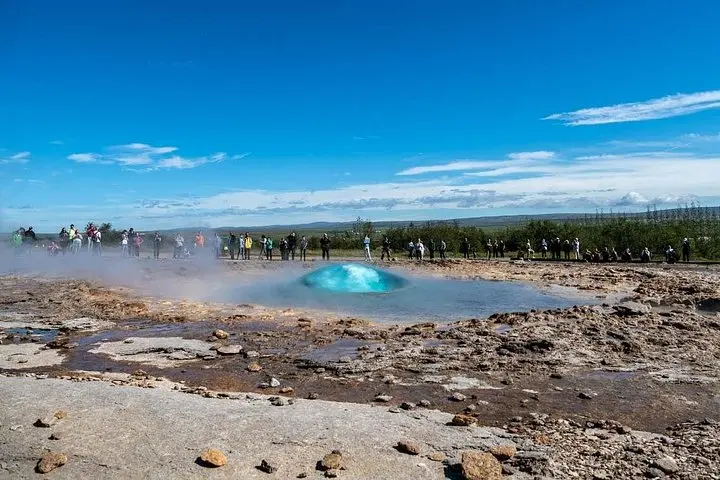
The itinerary reads like a primer of Icelandic highlights: Þingvellir's rift valley where the North American and Eurasian plates drift apart, the geyser fields that heave and hiss as if the earth were breathing, and the thunder of Gullfoss and Skógafoss that announce themselves before you see them. Further east, Jökulsárlón's iceberg-lit lagoon and Diamond Beach offer surreal contrasts — blue ice against black sand — while the Snæfellsnes Peninsula closes the loop with Kirkjufell and the seaside cliffs of Arnarstapi.
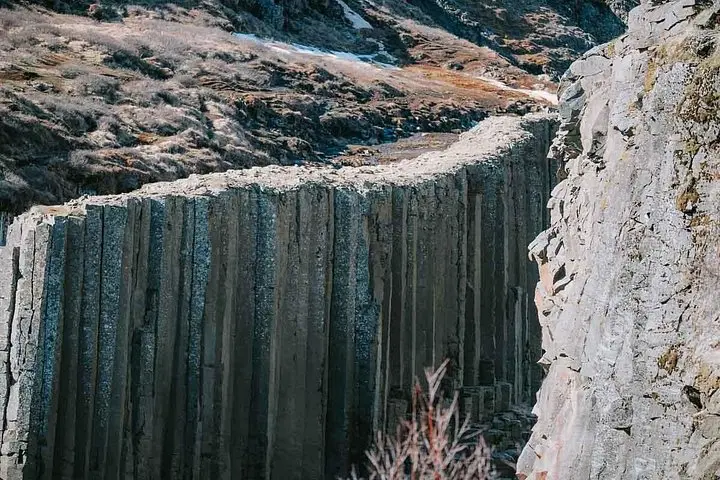
Geology here moves on human timescales and mythic ones. The lava flows around Hraunfossar pour silently through porous basalt; medieval sagas were written in homesteads not far from Reykholt. Coastal villages still base their lives on fishing and the rhythm of the sea. In summer, puffins carve the cliffs; in winter, geothermal pools become community living rooms where locals trade news across steaming water.
Practical side: expect long touring days — typically 8–10 hours on the road — with hotel nights included each evening. Distances are vast; the itinerary packs in driving, short walks, and several moderate hikes (Grábrók crater is a quick 30–45 minute ascent; Kirkjufell stands at roughly 463 meters but most visitors photograph it from the falls below). Deluxe options add ice-caving at Katla and whale-watching from Akureyri — these require sturdy boots and sometimes crampons.
Weather changes on a dime. Layering is non-negotiable: a waterproof shell, insulating midlayer, and good waterproof boots are the baseline. Bring a swim suit for Vök Baths and small-town cash or card for extras; Wi‑Fi is available on board but cell coverage thins in remote fjords.
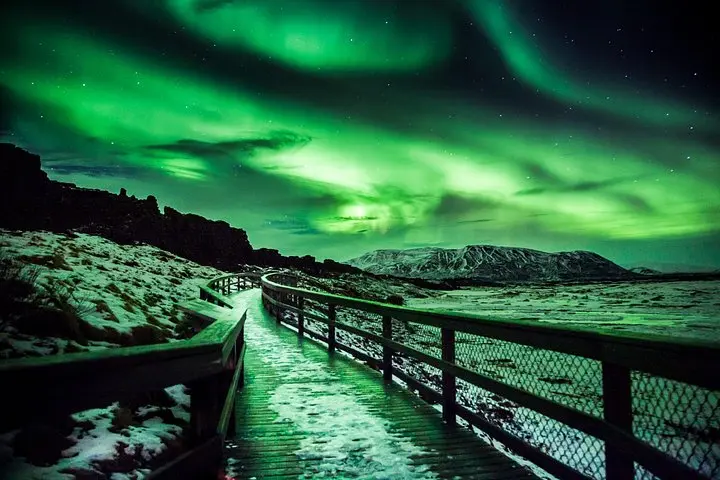
Timing matters: golden hour around Kirkjufell or Jökulsárlón can transform a good photo into a keeper; winter travelers should plan nights for aurora hunting and pack microspikes if ice caves are booked.
This is a tour that trades gentle exertion for constant spectacle — a moving window into a landscape that still feels newly made, stubborn, and alive.
Most days include 8–10 hours of touring and driving; the itinerary balances driving stretches with frequent short stops at viewpoints and short walks.
Breakfast is included each morning; other meals are generally at your expense with stops in towns or included on select deluxe options.
Deluxe options like Katla ice cave and whale watching are offered but subject to availability and weather — book early to guarantee a spot.
No technical fitness is required, but you should be comfortable with short hikes, uneven ground, and standing for photo stops.
Your luggage travels with the tour and is stored on the coach; hotels provide rooms with private bathrooms each night.
Yes — the professional driver-guide conducts the tour in English and will provide cultural and safety briefings.
BusTravel Iceland operates guided outdoor trips and adventures with an emphasis on safety, stewardship, and memorable experiences.
You step onto a bus at Bus Stop #12 in central Reykjavík as the city yawns awake, steam rising from a nearby hot spring like a live map of the geology ahead. The road out of town opens into wide horizons: black sand coastlines, rivers that seem intent on rearranging the land, and volcanoes keeping slow watch. Over the next seven days the Ring Road does what the name promises — it pulls you through Iceland's tectonic seams, across glacier tongues and lava fields that still smell faintly of sulphur.
You step onto a bus at Bus Stop #12 in central Reykjavík as the city yawns awake, steam rising from a nearby hot spring like a live map of the geology ahead. The road out of town opens into wide horizons: black sand coastlines, rivers that seem intent on rearranging the land, and volcanoes keeping slow watch. Over the next seven days the Ring Road does what the name promises — it pulls you through Iceland's tectonic seams, across glacier tongues and lava fields that still smell faintly of sulphur.
The itinerary reads like a primer of Icelandic highlights: Þingvellir's rift valley where the North American and Eurasian plates drift apart, the geyser fields that heave and hiss as if the earth were breathing, and the thunder of Gullfoss and Skógafoss that announce themselves before you see them. Further east, Jökulsárlón's iceberg-lit lagoon and Diamond Beach offer surreal contrasts — blue ice against black sand — while the Snæfellsnes Peninsula closes the loop with Kirkjufell and the seaside cliffs of Arnarstapi.
Geology here moves on human timescales and mythic ones. The lava flows around Hraunfossar pour silently through porous basalt; medieval sagas were written in homesteads not far from Reykholt. Coastal villages still base their lives on fishing and the rhythm of the sea. In summer, puffins carve the cliffs; in winter, geothermal pools become community living rooms where locals trade news across steaming water.
Practical side: expect long touring days — typically 8–10 hours on the road — with hotel nights included each evening. Distances are vast; the itinerary packs in driving, short walks, and several moderate hikes (Grábrók crater is a quick 30–45 minute ascent; Kirkjufell stands at roughly 463 meters but most visitors photograph it from the falls below). Deluxe options add ice-caving at Katla and whale-watching from Akureyri — these require sturdy boots and sometimes crampons.
Weather changes on a dime. Layering is non-negotiable: a waterproof shell, insulating midlayer, and good waterproof boots are the baseline. Bring a swim suit for Vök Baths and small-town cash or card for extras; Wi‑Fi is available on board but cell coverage thins in remote fjords.
Timing matters: golden hour around Kirkjufell or Jökulsárlón can transform a good photo into a keeper; winter travelers should plan nights for aurora hunting and pack microspikes if ice caves are booked.
This is a tour that trades gentle exertion for constant spectacle — a moving window into a landscape that still feels newly made, stubborn, and alive.