THE ADVENTURE COLLECTIVE® · Independent discovery and booking for outdoor travel

Trace the royal path of the Incas on a 7-day itinerary that includes the classic four-day Inca Trail to Machu Picchu. Prepare for high passes, cloud forest steps, and a sunrise at the Sun Gate.
Trace the royal path of the Incas on a 7-day itinerary that includes the classic four-day Inca Trail to Machu Picchu. Prepare for high passes, cloud forest steps, and a sunrise at the Sun Gate.
Dawn on the high trail smells like damp stone and citrus firewood; your breath fogs in the first incline and the Vilcanota river below seems to dare you onward. Walk past carved terraces and narrow stairways where the Incas once moved with purpose and ceremony, and you begin to understand why this route was reserved for royalty.
Verified experiences and guided adventures in the surrounding area.
Operated by Valencia Travel Agency S.a.c. · Machu Picchu (Aguas Calientes), Cusco Region
Dawn on the high trail smells like damp stone and citrus firewood; your breath fogs in the first incline and the Vilcanota river below seems to dare you onward. Walk past carved terraces and narrow stairways where the Incas once moved with purpose and ceremony, and you begin to understand why this route was reserved for royalty.
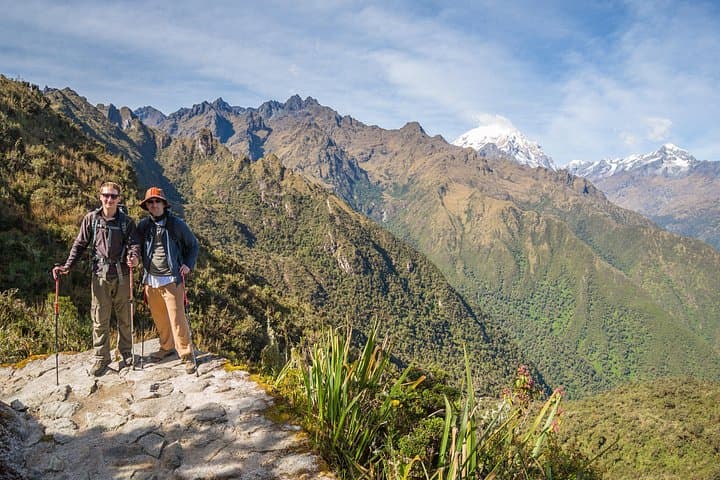
The Inca Trail traces sections of imperial highway that linked Cusco with its mountain citadel. Carved from volcanic and granitic slopes where glacial action shaped deep canyons, the trail crosses cloud forest and high puna, passing ceremonial sites such as Runkurakay, Phuyupatamarca, and the dramatic Sun Gate at Intipunku.
Local Quechua communities and colonial Cusco lie not far from the route; sculptures, stonework and place names speak to an engineered landscape and a living culture that still tends terraces and markets. The trail’s geology—steep, ancient bedrock and narrow drainage channels—creates sudden microclimates: one hour sunlit, the next shrouded in mist.
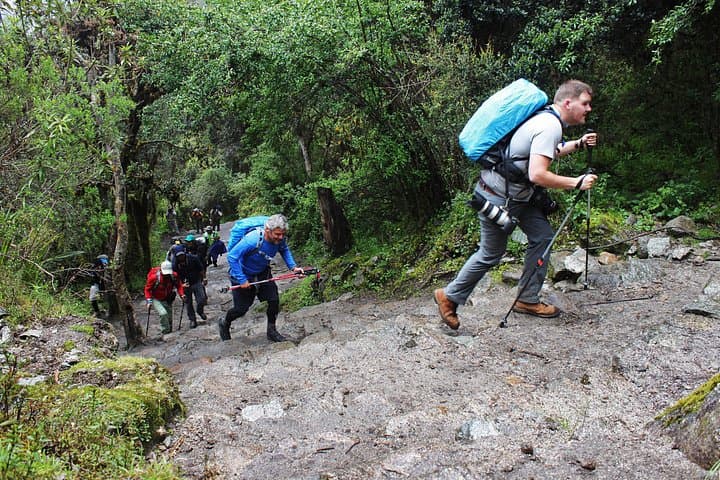
Practical guidance: the standard organized itinerary spans seven days with four days on-trail. Expect steep ascents to 4,200 m/13,779 ft at Dead Woman’s Pass, sustained descents, and high UV levels. Book permits well in advance; acclimatize in Cusco for 2–3 days, travel light, and rely on porter services for communal gear. Bring layered clothing, a warm sleeping bag, and waterproofs for afternoon storms in the wet season. Move steadily, drink frequently, and allow the mountains to set your pace—this is high-altitude trekking with archaeological payoff at Machu Picchu.
Book permits and the tour at least 3–6 months in advance for shoulder season and 6–12 months for peak (June–August). Tickets are strictly limited.
Minimum age is typically 10; travelers should be in excellent physical condition and accustomed to full-day hikes at altitude.
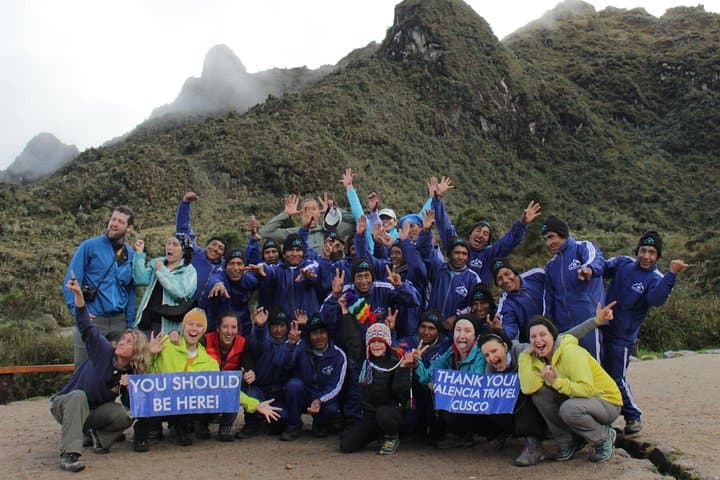
Organized groups usually provide porters for communal gear and cooking equipment; hikers carry personal daypacks and items like sleeping bags if not renting.
Acclimatize in Cusco, stay hydrated, ascend slowly, consider coca tea, and consult a doctor about acetazolamide if you have prior altitude sensitivity.
Valencia Travel Agency S.a.c. operates guided outdoor trips and adventures with an emphasis on safety, stewardship, and memorable experiences.

Dawn on the high trail smells like damp stone and citrus firewood; your breath fogs in the first incline and the Vilcanota river below seems to dare you onward. Walk past carved terraces and narrow stairways where the Incas once moved with purpose and ceremony, and you begin to understand why this route was reserved for royalty.
Dawn on the high trail smells like damp stone and citrus firewood; your breath fogs in the first incline and the Vilcanota river below seems to dare you onward. Walk past carved terraces and narrow stairways where the Incas once moved with purpose and ceremony, and you begin to understand why this route was reserved for royalty.
The Inca Trail traces sections of imperial highway that linked Cusco with its mountain citadel. Carved from volcanic and granitic slopes where glacial action shaped deep canyons, the trail crosses cloud forest and high puna, passing ceremonial sites such as Runkurakay, Phuyupatamarca, and the dramatic Sun Gate at Intipunku.
Local Quechua communities and colonial Cusco lie not far from the route; sculptures, stonework and place names speak to an engineered landscape and a living culture that still tends terraces and markets. The trail’s geology—steep, ancient bedrock and narrow drainage channels—creates sudden microclimates: one hour sunlit, the next shrouded in mist.
Practical guidance: the standard organized itinerary spans seven days with four days on-trail. Expect steep ascents to 4,200 m/13,779 ft at Dead Woman’s Pass, sustained descents, and high UV levels. Book permits well in advance; acclimatize in Cusco for 2–3 days, travel light, and rely on porter services for communal gear. Bring layered clothing, a warm sleeping bag, and waterproofs for afternoon storms in the wet season. Move steadily, drink frequently, and allow the mountains to set your pace—this is high-altitude trekking with archaeological payoff at Machu Picchu.