THE ADVENTURE COLLECTIVE® · Independent discovery and booking for outdoor travel

A seven-day small-group tour that threads Edinburgh to the Isle of Skye, the Outer Hebrides and Loch Ness—equal parts short hikes, ferry crossings and cultural stops. Expect dramatic geology, ancient standing stones and practical guidance for planning weather-smart travel.
A seven-day small-group tour that threads Edinburgh to the Isle of Skye, the Outer Hebrides and Loch Ness—equal parts short hikes, ferry crossings and cultural stops. Expect dramatic geology, ancient standing stones and practical guidance for planning weather-smart travel.
The coach climbs out of Edinburgh before dawn and the city gives way to a lunging palette of peat bogs, folded mountains, and lochs that seem to hold their own weather. By midmorning you’re stepping off for a quick walk through Luss with Loch Lomond watching like an old guardian; by evening the wild, wind-swept cliffs of Skye have already started to rewrite your expectations of what the Highlands can be.
Verified experiences and guided adventures in the surrounding area.
Operated by Experience Scotland's Wild · Edinburgh, Scotland
The coach climbs out of Edinburgh before dawn and the city gives way to a lunging palette of peat bogs, folded mountains, and lochs that seem to hold their own weather. By midmorning you’re stepping off for a quick walk through Luss with Loch Lomond watching like an old guardian; by evening the wild, wind-swept cliffs of Skye have already started to rewrite your expectations of what the Highlands can be.
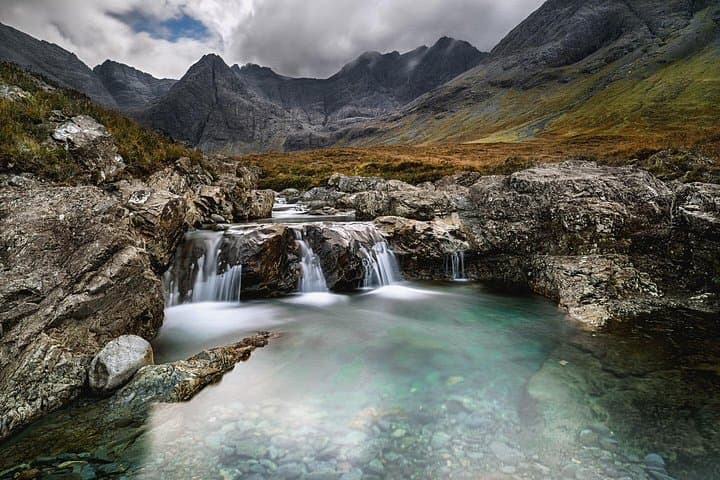
This seven-day loop stitches together the geological drama of Glencoe, the landslip-carved ridges of the Quiraing and the volcanic screes around the Old Man of Storr, and the wind-polished sands of the Outer Hebrides. The Fairy Pools are a study in glacial meltwater—short hikes of roughly 2–3 km round trip with modest elevation gain reveal iridescent plunge pools. The Quiraing, still moving slowly from ancient landslides, rewards a 6–8 km walk with views that feel engineered for panoramic photos. On Lewis, the Callanish Standing Stones predate Stonehenge, their placement aligning with an ancient cultural landscape that linked ritual to coast and sky.
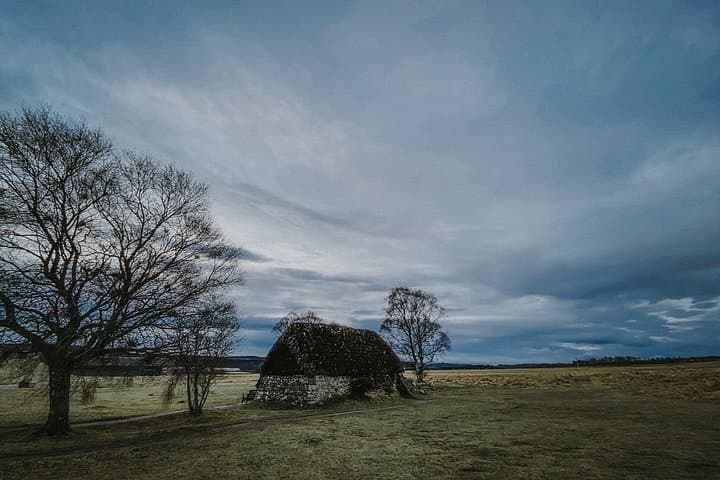
Culturally the route reads like a compact of Scottish history: clan strongholds (Dunvegan Castle), Jacobite memory at Culloden, the crofting communities of the Outer Hebrides and Gearrannan blackhouses that preserve island ways. The islands also bear industrial echoes—herring fishing, tweed weaving and the whisky stills you’ll encounter on the return to the mainland. Nature here is candid: Atlantic surf pushes against basalt, peat smoke carries stories inland, and skylarks and otters make sudden appearances.
Practicalities anchor the romance. The tour includes coach transport, ferries to Skye and the Outer Hebrides, guided short hikes and a Loch Ness cruise; accommodation and some attraction admissions are typically not included. Expect long travel days balanced with short, purposeful walks; bring sturdy waterproof boots and layers—the Highlands can cycle through sun, wind and rain in an afternoon. Ferry crossings depend on tide and schedule; confirm times and allow extra slack for connections. If you plan to photograph the landscape, aim for the low light of golden hour at Quiraing or the Callanish stones for dramatic silhouettes.
Travelers should be comfortable with frequent on/off coach movement, stairs and uneven paths—this is a moderate, immersion-first trip rather than an expedition. Respect local customs and fragile machair and peatland habitats: stick to paths, carry out any waste and consider carbon-offset options for travel. In return you get a compact education in geology, Gaelic island culture, and whisky-soaked stories that make the Highlands feel both immediate and enduring.
Most day-by-day itineraries include transport, guide and specific boat trips, but accommodation and many attraction admissions are usually not included—confirm with the operator when booking.
Expect a mix: short guided walks of 1–3 km at attractions like the Fairy Pools, plus longer scenic hikes (up to 6–8 km) at places such as the Quiraing; most days also involve extended coach travel.
Yes, the itinerary lists ferries to Skye and to the Outer Hebrides as part of the tour inclusions, but schedules can change—always check your final trip notes.
Guides typically handle dietary needs where possible, but because many meals are independent you should notify the operator in advance and carry snacks for flexibility.
The tour is described as suitable for a range of fitness levels, but it’s not recommended for travelers with serious mobility limitations due to uneven terrain and frequent on/off coach activity.
Photography is welcomed—golden hour at Quiraing and Callanish is ideal; drone use is restricted in many heritage and wildlife areas, so check local rules and the tour operator’s policy.
Experience Scotland's Wild operates guided outdoor trips and adventures with an emphasis on safety, stewardship, and memorable experiences.
The coach climbs out of Edinburgh before dawn and the city gives way to a lunging palette of peat bogs, folded mountains, and lochs that seem to hold their own weather. By midmorning you’re stepping off for a quick walk through Luss with Loch Lomond watching like an old guardian; by evening the wild, wind-swept cliffs of Skye have already started to rewrite your expectations of what the Highlands can be.
The coach climbs out of Edinburgh before dawn and the city gives way to a lunging palette of peat bogs, folded mountains, and lochs that seem to hold their own weather. By midmorning you’re stepping off for a quick walk through Luss with Loch Lomond watching like an old guardian; by evening the wild, wind-swept cliffs of Skye have already started to rewrite your expectations of what the Highlands can be.
This seven-day loop stitches together the geological drama of Glencoe, the landslip-carved ridges of the Quiraing and the volcanic screes around the Old Man of Storr, and the wind-polished sands of the Outer Hebrides. The Fairy Pools are a study in glacial meltwater—short hikes of roughly 2–3 km round trip with modest elevation gain reveal iridescent plunge pools. The Quiraing, still moving slowly from ancient landslides, rewards a 6–8 km walk with views that feel engineered for panoramic photos. On Lewis, the Callanish Standing Stones predate Stonehenge, their placement aligning with an ancient cultural landscape that linked ritual to coast and sky.
Culturally the route reads like a compact of Scottish history: clan strongholds (Dunvegan Castle), Jacobite memory at Culloden, the crofting communities of the Outer Hebrides and Gearrannan blackhouses that preserve island ways. The islands also bear industrial echoes—herring fishing, tweed weaving and the whisky stills you’ll encounter on the return to the mainland. Nature here is candid: Atlantic surf pushes against basalt, peat smoke carries stories inland, and skylarks and otters make sudden appearances.
Practicalities anchor the romance. The tour includes coach transport, ferries to Skye and the Outer Hebrides, guided short hikes and a Loch Ness cruise; accommodation and some attraction admissions are typically not included. Expect long travel days balanced with short, purposeful walks; bring sturdy waterproof boots and layers—the Highlands can cycle through sun, wind and rain in an afternoon. Ferry crossings depend on tide and schedule; confirm times and allow extra slack for connections. If you plan to photograph the landscape, aim for the low light of golden hour at Quiraing or the Callanish stones for dramatic silhouettes.
Travelers should be comfortable with frequent on/off coach movement, stairs and uneven paths—this is a moderate, immersion-first trip rather than an expedition. Respect local customs and fragile machair and peatland habitats: stick to paths, carry out any waste and consider carbon-offset options for travel. In return you get a compact education in geology, Gaelic island culture, and whisky-soaked stories that make the Highlands feel both immediate and enduring.